
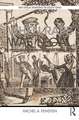
When Rape was Legal: The Untold History of Sexual Violence during Slavery: New Critical Viewpoints on Society
Autor Rachel A. Feinsteinen Limba Engleză Hardback – 2 aug 2018
Subliniem valoarea documentară a acestei lucrări prin prisma analizei riguroase a petițiilor de divorț depuse de femeile albe, un instrument juridic ce scoate la iveală realități brutale, adesea omise din istoriografia oficială. When Rape was Legal nu se limitează la o simplă trecere în revistă a atrocităților, ci propune o examinare critică a modului în care violența sexuală a fost utilizată pentru a construi și menține identitatea masculinității albe în Statele Unite. Notăm cu interes felul în care autoarea Rachel A. Feinstein demonstrează că violul nu a fost doar un act de dominație individuală, ci o componentă structurală a ierarhiei intersecționale.
Lucrarea extinde cadrul propus de Rape and Sexual Power in Early America de Sharon Block cu date noi extrase din mărturiile directe ale femeilor și bărbaților de culoare, oferind o perspectivă mai strâns focalizată pe mecanismele sclaviei americane. Structura textului, publicat în seria New Critical Viewpoints on Society la editura Routledge, este concepută pentru a ghida cititorul de la contextul istoric al secolelor XVIII-XIX către implicațiile sociologice actuale. Primele capitole recuperează vocile celor oprimați, în timp ce secțiunile centrale analizează complicitatea femeilor albe, care, prin tăcere sau participare indirectă, au facilitat subordonarea sclavilor. Finalul cărții face legătura necesară cu prezentul, examinând cum moștenirea acestor violențe rasializate și de gen continuă să modeleze societatea contemporană. Este o lectură densă, bazată pe surse de arhivă, care refuză explicațiile simpliste în favoarea unei analize sociologice de profunzime.
Din seria New Critical Viewpoints on Society
-
 Preț: 366.40 lei
 -
 Preț: 367.97 lei
 -
 Preț: 370.55 lei
 -
 Preț: 318.66 lei
 -
 Preț: 378.99 lei
 - 18%
 Preț: 1419.22 lei
 -
 Preț: 344.07 lei
 -
 Preț: 367.02 lei
 -
 Preț: 376.31 lei
 -
 Preț: 416.51 lei
 -
 Preț: 418.16 lei
 -
 Preț: 457.02 lei
 -
 Preț: 329.04 lei
 -
 Preț: 383.51 lei
 -
 Preț: 376.11 lei
 -
 Preț: 335.12 lei
 -
 Preț: 410.01 lei
 -
 Preț: 382.99 lei
 -
 Preț: 421.34 lei
 -
 Preț: 388.87 lei
 -
 Preț: 417.74 lei
 -
 Preț: 376.31 lei
 -
 Preț: 337.88 lei
 - 18%
 Preț: 1373.39 lei
 -
 Preț: 381.10 lei
 - 18%
 Preț: 905.73 lei
 -
 Preț: 397.21 lei
Preț: 1065.67 lei
Preț vechi: 1299.59 lei
-18%
Carte tipărită la comandă
Livrare economică 08-22 iunie
Specificații
ISBN-10: 1138629677
Pagini: 108
Dimensiuni: 152 x 229 x 8 mm
Greutate: 0.32 kg
Ediția:1
Editura: Taylor & Francis
Colecția Routledge
Seria New Critical Viewpoints on Society
Locul publicării:Oxford, United Kingdom
V-ar putea interesa
-
 The Unknown American RevolutionGary B. NashPreț: 146.59 lei
 -
 Cotton: The Biography of a Revolutionary FiberStephen YafaPreț: 129.94 lei
 -
 -14%Preț: 772.85 lei898.66 lei
 -
 -11%Preț: 469.01 lei526.97 lei
 -
 -14%Preț: 695.54 lei808.77 lei
 -
 Preț: 278.60 lei
 -
 A Forgotten Sisterhood: Pioneering Black Women Educators and Activists in the Jim Crow SouthAudrey Thomas McCluskey-25%Preț: 136.93 lei183.73 lei
 -
 Free Labor in an Unfree WorldMichele GillespiePreț: 250.43 lei
 -
 Cumberland IslandMary R BullardPreț: 191.57 lei
 -
 Connecticut AttackedRobert McDevittPreț: 65.33 lei
 -
 Connecticut SignerBruce P. StarkPreț: 72.63 lei
 -
 Connecticut's Revolutionary PressCharles L. CutlerPreț: 64.52 lei
 -
 Connecticut's Black Soldiers, 1775-1783David O. WhitePreț: 65.01 lei
 -
 Connecticut's Seminary of SeditionLouis Lenard TuckerPreț: 72.17 lei
 -
 Connecticut's War GovernorDavid M. RothPreț: 73.32 lei
 -
 -24%Preț: 245.51 lei324.66 lei
 -
 The Whaling CityRobert Owen DeckerPreț: 301.25 lei
 -
 The RedemptionerIsaac Rusling PennypackerPreț: 80.03 lei
 -
 TALES OF OLD WALLINGFORD 1670Clarence E. HalePreț: 90.62 lei
 -
 GROTON STORYCarol KimballPreț: 64.35 lei
 -
 -34%Preț: 554.79 lei836.76 lei
 -
 -34%Preț: 523.45 lei790.10 lei
 -
 -34%Preț: 523.55 lei790.16 lei
 -
 -36%Preț: 653.16 lei1025.34 lei
 -
 Rethinking Global Democracy in BrazilMarkus Fraundorfer-15%Preț: 299.74 lei352.29 lei
Public țintă
General, Postgraduate, and UndergraduateDe ce să citești această carte
Recomandăm această carte studenților și cercetătorilor din domeniul sociologiei și studiilor de gen care doresc să înțeleagă rădăcinile sistemice ale violenței rasiale. Rachel A. Feinstein oferă o perspectivă necesară asupra modului în care legea și normele sociale au protejat agresorii, transformând violul într-un instrument de control social. Cititorul va câștiga o înțelegere clară a intersecționalității dintre rasă, gen și putere în istoria americană.
Despre autor
Rachel A. Feinstein este o cercetătoare specializată în sociologie și criminologie, recunoscută pentru studiile sale asupra inegalităților rasiale și de gen. În lucrarea de față, publicată sub egida Routledge, ea își valorifică expertiza în analiza sistemică a rasismului pentru a aduce la lumină aspecte marginalizate ale sclaviei. Abordarea sa îmbină rigoarea analizei de arhivă cu perspectivele teoretice moderne despre intersecționalitate, oferind o contribuție esențială la înțelegerea modului în care instituțiile istorice au modelat identitățile sociale și structurile de putere care persistă până în prezent.
Descriere scurtă
Cuprins
Notă biografică
Recenzii
Holly Foster, Professor of Sociology, Texas A&M University
Rachel Feinstein’s book is a must-read for scholars making connections between slavery, Jim Crow, and contemporary issues. Her use of original court records and diaries gives voice to otherwise silenced women, Black and White. She shows how the intergenerational transmission of white masculinity continues to contribute to sexual violence committed against women today.
Ruth Thompson-Miller, author, Jim Crow’s Legacy: The Lasting Impact of Segregation
Feinstein presents powerful and heart-wrenching narratives of commonplace and state-sanctioned sexual terrorism by white males against enslaved Black women. She details the intergenerational transmission of white masculinity, shows how gendered racism fits within the white racial frame, and, important for the current gap in literature it fills, chronicles white women’s complicity in white men’s rape of enslaved Black women. The narratives in When Rape Was Legal are painful to read, yet Feinstein’s analysis is critically important to understand sexual assault and gendered racism today.
Leslie Picca, Professor of Sociology, University of Dayton