
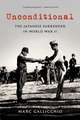
Unconditional: The Japanese Surrender in World War II: Pivotal Moments in American History
Autor Marc Gallicchioen Limba Engleză Hardback – 8 sep 2020
Din seria Pivotal Moments in American History
-
 Preț: 167.44 lei
 -
 Preț: 139.44 lei
 -
 Preț: 142.85 lei
 - 15%
 Preț: 105.76 lei
 -
 Preț: 169.56 lei
 - 11%
 Preț: 186.76 lei
 - 13%
 Preț: 113.97 lei
 - 24%
 Preț: 174.14 lei
 - 14%
 Preț: 137.98 lei
 -
 Preț: 118.19 lei
 - 14%
 Preț: 150.43 lei
 -
 Preț: 176.65 lei
 -
 Preț: 112.63 lei
 - 11%
 Preț: 293.03 lei
 - 14%
 Preț: 122.95 lei
 - 22%
 Preț: 224.38 lei
 - 22%
 Preț: 150.73 lei
 - 19%
 Preț: 92.47 lei
 -
 Preț: 122.06 lei
 - 15%
 Preț: 193.13 lei
 - 13%
 Preț: 132.50 lei
 -
 Preț: 101.28 lei
 - 22%
 Preț: 151.93 lei
 - 23%
 Preț: 109.43 lei
 - 13%
 Preț: 177.53 lei
 - 14%
 Preț: 104.07 lei
 - 19%
 Preț: 121.13 lei
 - 18%
 Preț: 116.74 lei
 - 14%
 Preț: 137.77 lei
Preț: 205.73 lei
Puncte Express: 309
Carte disponibilă
Livrare economică 16-30 noiembrie
Livrare prin curier în România Termenul estimat este afișat lângă disponibilitate.
Transport gratuit de la 400.00 lei Plată online sau ramburs, în funcție de opțiunile comenzii.
Retur gratuit în 14 zile Comandă securizată și suport în română.
Specificații
ISBN-13: 9780190091101
ISBN-10: 019009110X
Pagini: 288
Ilustrații: 15 b/w images, 5 maps
Dimensiuni: 157 x 236 x 25 mm
Greutate: 0.54 kg
Editura: Oxford University Press
Colecția OUP USA
Seria Pivotal Moments in American History
Locul publicării:New York, United States
ISBN-10: 019009110X
Pagini: 288
Ilustrații: 15 b/w images, 5 maps
Dimensiuni: 157 x 236 x 25 mm
Greutate: 0.54 kg
Editura: Oxford University Press
Colecția OUP USA
Seria Pivotal Moments in American History
Locul publicării:New York, United States
Recenzii
Recommended. Advanced undergraduates through faculty; professionals.
Notă biografică
Marc Gallicchio is Professor of History at Villanova University and was a Fulbright Visiting Lecturer in Japan, 1998-1999 and 2004-2005. He is co-author, with Waldo Heinrichs, of Implacable Foes: War in the Pacific, 1944-1945, which won the Bancroft Prize in History.
Cuprins
- Introduction: A Great Victory Has Been Won
- Chapter I: "Our Demand has been and it remains-Unconditional Surrender!"
- Chapter II: "Popular opinion can offer no useful contribution."
- Chapter III. "[Admiral Leahy] said that his matter had been considered on a political level and consideration had been given to the removal of the sentence in question."
- Chapter IV: "I deem this reply a full acceptance of the Potsdam Declaration which specifies the unconditional surrender of Japan."
- Chapter V: "[T]he surrender today is no negotiated surrender. The Japanese are submitting to superior force now massed here."
- Chapter VI: "We demanded unconditional surrender, then dropped the bomb and accepted conditional surrender..."
- Chapter VII: "The curators simply will not let go of the notion that the policy of demanding Japan's unconditional surrender was (a) unreasonable, (b) prolonged the war needlessly, and foiled Japan's earnest desire to make peace."
- Conclusion: "Much of the success of the occupation derived from the fact that Japan surrendered unconditionally, thereby ceding absolute and nonnegotiable authority to the victors."