
Truth and Transitional Justice: Localising the International Legal Framework in Muslim Majority Legal Systems: Studies in International Law
Autor Alice Panepintoen Limba Engleză Paperback – 15 iun 2023
The Arab uprisings and new and old conflicts in the Middle East, North Africa and other contexts where Islam is a prominent religion have sparked an interest in localising transitional justice in the legal systems of Muslim-majority communities to uncover the truth about past abuse and ensure accountability for widespread human rights violations. This raises pressing questions around how the international paradigm of transitional justice, and in particular its truth-seeking aims, might be implemented and adapted to local settings characterised by Muslim majority populations, and at the same time drawing from relevant norms and principles of Islamic law.
This book offers a critical analysis of the relocation of transitional justice from the international paradigm to the legal systems of Muslim-majority societies in light of the inherently pluralistic realities of these contexts. It also investigates synergies between international law and Islamic law in furthering truth-seeking, the formation of collective memories and the victims' right to know the truth, as key aims of the international paradigm of transitional justice and broadly supported by the shari'ah. This book will be a useful reference for scholars, practitioners and policymakers seeking to better understand the normative underpinnings of (potential) transitional truth-seeking initiatives in the legal systems of Muslim-majority societies. At the same time, it also proposes a more critical and creative way of thinking about the challenges and opportunities of localising transitional justice in contexts where the principles and ideas of Islamic law carry different meanings.
Din seria Studies in International Law
- nou
 Preț: 582.88 lei
 - 34%
 Preț: 1230.34 lei
 - 32%
 Preț: 618.33 lei
 - 32%
 Preț: 619.54 lei
 - 34%
 Preț: 741.30 lei
 - 32%
 Preț: 553.43 lei
 - 33%
 Preț: 1030.65 lei
 - 14%
 Preț: 904.69 lei
 - 32%
 Preț: 556.51 lei
 - 36%
 Preț: 616.15 lei
 - 29%
 Preț: 283.27 lei
 - 32%
 Preț: 620.89 lei
 - 33%
 Preț: 903.91 lei
 - 14%
 Preț: 616.15 lei
 - 33%
 Preț: 905.13 lei
 - 36%
 Preț: 552.10 lei
 - 32%
 Preț: 652.10 lei
 - 33%
 Preț: 582.43 lei
 - 14%
 Preț: 620.97 lei
 - 32%
 Preț: 619.82 lei
 - 34%
 Preț: 841.55 lei
 - 32%
 Preț: 587.11 lei
 - 33%
 Preț: 554.74 lei
 - 40%
 Preț: 615.96 lei
 - 32%
 Preț: 650.18 lei
 - 24%
 Preț: 290.93 lei
 - 32%
 Preț: 551.67 lei
 - 32%
 Preț: 971.47 lei
 - 32%
 Preț: 628.37 lei
 - 32%
 Preț: 777.62 lei
 - 32%
 Preț: 647.73 lei
 - 30%
 Preț: 536.47 lei
 - 15%
 Preț: 252.20 lei
 - 32%
 Preț: 841.99 lei
 - 32%
 Preț: 616.33 lei
 - 14%
 Preț: 801.86 lei
 - 34%
 Preț: 556.22 lei
 - 32%
 Preț: 841.99 lei
 - 32%
 Preț: 619.82 lei
 - 30%
 Preț: 540.33 lei
 - 32%
 Preț: 585.45 lei
 - 32%
 Preț: 583.77 lei
 - 37%
 Preț: 840.49 lei
 - 32%
 Preț: 847.85 lei
 - 24%
 Preț: 617.02 lei
 - 32%
 Preț: 615.55 lei
 - 34%
 Preț: 802.72 lei
 - 32%
 Preț: 555.64 lei
 - 33%
 Preț: 806.49 lei
Preț: 323.81 lei
Preț vechi: 417.88 lei
-23%
Puncte Express: 486
Carte tipărită la comandă
Livrare economică 06-17 noiembrie
Livrare prin curier în România Termenul estimat este afișat lângă disponibilitate.
Transport gratuit de la 400.00 lei Plată online sau ramburs, în funcție de opțiunile comenzii.
Retur gratuit în 14 zile Comandă securizată și suport în română.
Specificații
ISBN-13: 9781509957187
ISBN-10: 1509957189
Pagini: 280
Dimensiuni: 154 x 232 x 20 mm
Greutate: 0.44 kg
Editura: Bloomsbury Publishing
Colecția Hart Publishing
Seria Studies in International Law
Locul publicării:London, United Kingdom
ISBN-10: 1509957189
Pagini: 280
Dimensiuni: 154 x 232 x 20 mm
Greutate: 0.44 kg
Editura: Bloomsbury Publishing
Colecția Hart Publishing
Seria Studies in International Law
Locul publicării:London, United Kingdom
V-ar putea interesa
-
 Preț: 127.41 lei
 -
 Some West Surrey VillagesE. A. JudgesPreț: 143.60 lei
 -
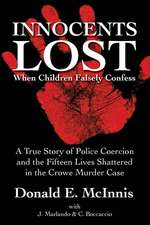 Innocents Lost: When Children Falsely ConfessDonald E. McInnisPreț: 150.19 lei
 -
 Amélioration du sort des travailleurs ou Lois organiques du travailFrançois JeandeauPreț: 79.99 lei
 -
 Preț: 79.64 lei
 -
 Étude sur la législation charitable en HollandeLéon LallemandPreț: 79.64 lei
 -
 A tout le monde, troisième causerie électoraleAdolphe LambertPreț: 72.92 lei
 -
 Du Devoir dans les temps actuelsFélicité de La MennaisPreț: 72.77 lei
 -
 Répertoire de la science des justices de paix, jurisprudence pratique et théoriqueNapoléon-Madeleine LesennePreț: 177.73 lei
 -
 La Loi sur le divorce votée par le Sénat et la Chambre des Députés, précédée du Rapport fait au nomAlfred-Ferdinand-Sévère LetellierPreț: 79.18 lei
 -
 Preț: 79.84 lei
 -
 Preț: 79.30 lei
 -
 Preț: 193.20 lei
 -
 Des Formalités du mariage simplifiées par la loi du 20 juin 1896Guillaume LoubatPreț: 131.07 lei
 -
 Preț: 79.18 lei
 -
 Preț: 123.79 lei
 -
 De la Codification d'après les idées antiquesHenry Sumner MainePreț: 79.38 lei
 -
 Proposition de loi pour la conversion des rentes 4 1Armand-Jean-Baptiste-Louis MarcescheauPreț: 87.25 lei
 -
 Commentaire de la loi du 31 mars 1904Gilbert MassoniéPreț: 79.38 lei
Cuprins
Structure of the Book
1. Transitional Justice between International Law and Local Norms
I. Introduction
II. Problematising the Normative Framework of Transitional Justice
A. A Merger of Legal Regimes, Soft Law and Normative Practices
B. The Normativity of How Transitional Justice is Understood
C. Transitional Justice as Legal Turmoil
III. The Formal Sources of Transitional Justice: International Law
A. International Humanitarian Law
B. International Criminal Law
C. International Human Rights Law
IV. The Local Normative Sources of Transitional Justice
A. The Shift to Local Transitional Justice: Opportunities and Challenges
B. Religious Norms, Actors and Transitional Justice
V. Conclusion
2. Localising the International Law Framework of Transitional Justice in Muslim-Majority Societies: Theoretical and Methodological Considerations
I. Introduction
II. Translating the International Paradigm of Transitional Justice into Local Settings: Concepts and Theoretical Considerations
A. The International Framework of Transitional Justice through the Lens of Legal Pluralism
B. Bridging Global and Local: Law, Culture and Society
C. 'Seeing' the Relevant Laws in Pluralistic TJ: Borrowing the Tools of Comparative Legal Studies
III. Understanding Local Settings in the Development of a Global Paradigm of Transitional Justice: Methods
A. Comparative Law between Creative Thinking and Questionable Legacies
B. The Theory of Legal Formants Meets the Localisation of Transitional Justice
C. Comparative Law for Developing International Law and the Global Paradigm of Transitional Justice
IV. Conclusion
3. Legal Truths, Judicial Rituals and Transitional Justice
I. Introduction
II. Truth Seeking and Transitional Justice: Issues, Ambitions and Limitations
A. Legal/Legalised Truth-Seeking Mechanisms 3
B. The Product of Legal/Legalised Truth-Seeking Mechanisms
III. Interpreting Legal Truth in Transitional Justice
A. The Construction and Limits of Legal Truths
B. Stakeholders of the Legal Truth
IV. Legal Truths between Collective Memories and Performances of Transitional Justice
A. Ritual Performances, Legal Masks and Truth Seeking
V. Conclusions
4. The Right to Truth in International Law
I. Introduction
II. The Emergence of the Right to Truth
A. IACHR Contributions to the Right to Truth
B. ECHR Contributions to the Right to Truth
III. The Status of the Right to Truth in International Law
A. The Right to Truth and Customary International Law
B. The Right to Truth and General Principles
C. The Right to Truth as a Reiterated 'Performative Utterance' in International Law
IV. Conclusion
5. Islamic Law in the Legal Systems of Muslim-Majority Societies
I. Introduction
II. Islamic Law in Context: Divine Normativity in this World
A. Sources of Islamic Law
B. Objectives of Islamic Law (Maqasid as-Shari'ah) and Maslaha
III. The Manifestations and Jurisprudential Evolutions of Islamic Law: Human Efforts
A. The Role of Jurists (Judiciary, the Juristic Schools and the Jurisprudents)
IV. Islamic Law and International Law: Foundations for Transitional Justice Truth Seeking
A. The Overlap of Substantive Justice Aims of Islamic Law and ICL/IHRL
B. The Convergence of Procedural Standards of Islamic Law and ICL/IHRL
V. Conclusion
6. Transitional Truth Seeking and the Right to Truth in Muslim-Majority Legal Systems
I. Introduction
II. Truth Seeking: From International Law to Islamic Law
A. Adjudication as Truth Seeking
B. Extrajudicial Mechanisms for Truth Seeking
III. The Production of Legal Truths in Muslim-Majority Societies: Historic Practice, Moral Imperatives,
and Contemporary Applications
A. Compiling Legal Truths in Historic Islamic Legal Practice
B. Bridging the Tension between Legal Truths and Historical/Factual Truths in Islamic Law: The Spiritual
Imperatives of Convergence
C. Contested Truths and Collective Memories: Recent Examples in Muslim-Majority States
IV. Right to Truth in Islamic Law and Jurisprudence
A. Key Violations: Torture, Extrajudicial Killings and Forced Disappearance
B. Individual and Collective Dimensions of the Right to Truth
C. State (Authority) Duty to Investigate
V. Conclusion
Conclusion
How Islamic Law Can Embed and Develop Transitional Truth Seeking
1. Transitional Justice between International Law and Local Norms
I. Introduction
II. Problematising the Normative Framework of Transitional Justice
A. A Merger of Legal Regimes, Soft Law and Normative Practices
B. The Normativity of How Transitional Justice is Understood
C. Transitional Justice as Legal Turmoil
III. The Formal Sources of Transitional Justice: International Law
A. International Humanitarian Law
B. International Criminal Law
C. International Human Rights Law
IV. The Local Normative Sources of Transitional Justice
A. The Shift to Local Transitional Justice: Opportunities and Challenges
B. Religious Norms, Actors and Transitional Justice
V. Conclusion
2. Localising the International Law Framework of Transitional Justice in Muslim-Majority Societies: Theoretical and Methodological Considerations
I. Introduction
II. Translating the International Paradigm of Transitional Justice into Local Settings: Concepts and Theoretical Considerations
A. The International Framework of Transitional Justice through the Lens of Legal Pluralism
B. Bridging Global and Local: Law, Culture and Society
C. 'Seeing' the Relevant Laws in Pluralistic TJ: Borrowing the Tools of Comparative Legal Studies
III. Understanding Local Settings in the Development of a Global Paradigm of Transitional Justice: Methods
A. Comparative Law between Creative Thinking and Questionable Legacies
B. The Theory of Legal Formants Meets the Localisation of Transitional Justice
C. Comparative Law for Developing International Law and the Global Paradigm of Transitional Justice
IV. Conclusion
3. Legal Truths, Judicial Rituals and Transitional Justice
I. Introduction
II. Truth Seeking and Transitional Justice: Issues, Ambitions and Limitations
A. Legal/Legalised Truth-Seeking Mechanisms 3
B. The Product of Legal/Legalised Truth-Seeking Mechanisms
III. Interpreting Legal Truth in Transitional Justice
A. The Construction and Limits of Legal Truths
B. Stakeholders of the Legal Truth
IV. Legal Truths between Collective Memories and Performances of Transitional Justice
A. Ritual Performances, Legal Masks and Truth Seeking
V. Conclusions
4. The Right to Truth in International Law
I. Introduction
II. The Emergence of the Right to Truth
A. IACHR Contributions to the Right to Truth
B. ECHR Contributions to the Right to Truth
III. The Status of the Right to Truth in International Law
A. The Right to Truth and Customary International Law
B. The Right to Truth and General Principles
C. The Right to Truth as a Reiterated 'Performative Utterance' in International Law
IV. Conclusion
5. Islamic Law in the Legal Systems of Muslim-Majority Societies
I. Introduction
II. Islamic Law in Context: Divine Normativity in this World
A. Sources of Islamic Law
B. Objectives of Islamic Law (Maqasid as-Shari'ah) and Maslaha
III. The Manifestations and Jurisprudential Evolutions of Islamic Law: Human Efforts
A. The Role of Jurists (Judiciary, the Juristic Schools and the Jurisprudents)
IV. Islamic Law and International Law: Foundations for Transitional Justice Truth Seeking
A. The Overlap of Substantive Justice Aims of Islamic Law and ICL/IHRL
B. The Convergence of Procedural Standards of Islamic Law and ICL/IHRL
V. Conclusion
6. Transitional Truth Seeking and the Right to Truth in Muslim-Majority Legal Systems
I. Introduction
II. Truth Seeking: From International Law to Islamic Law
A. Adjudication as Truth Seeking
B. Extrajudicial Mechanisms for Truth Seeking
III. The Production of Legal Truths in Muslim-Majority Societies: Historic Practice, Moral Imperatives,
and Contemporary Applications
A. Compiling Legal Truths in Historic Islamic Legal Practice
B. Bridging the Tension between Legal Truths and Historical/Factual Truths in Islamic Law: The Spiritual
Imperatives of Convergence
C. Contested Truths and Collective Memories: Recent Examples in Muslim-Majority States
IV. Right to Truth in Islamic Law and Jurisprudence
A. Key Violations: Torture, Extrajudicial Killings and Forced Disappearance
B. Individual and Collective Dimensions of the Right to Truth
C. State (Authority) Duty to Investigate
V. Conclusion
Conclusion
How Islamic Law Can Embed and Develop Transitional Truth Seeking
Recenzii
Panepinto's book goes to the heart of legitimacy in legal and social reform initiatives developed as a global norm, such as transitional justice. The author makes a strong case for the imperative of embedding legitimacy in transitional justice through the adoption of a culturally sensitive approach.
Notă biografică
Alice Panepinto is Reader in Law at Queen's University Belfast, Ireland.