The Problem of Existence: Ashgate New Critical Thinking in Philosophy
Autor Arthur Witherallen Limba Engleză Hardback – 19 noi 2002
Din seria Ashgate New Critical Thinking in Philosophy
-
 Preț: 505.25 lei
 - 15%
 Preț: 417.76 lei
 - 15%
 Preț: 449.54 lei
 - 15%
 Preț: 455.98 lei
 - 18%
 Preț: 1198.98 lei
 - 15%
 Preț: 458.66 lei
 - 18%
 Preț: 1062.44 lei
 - 15%
 Preț: 415.72 lei
 - 15%
 Preț: 414.77 lei
 - 18%
 Preț: 1070.63 lei
 - 15%
 Preț: 413.04 lei
 - 15%
 Preț: 414.47 lei
 - 15%
 Preț: 444.84 lei
 - 15%
 Preț: 414.30 lei
 -
 Preț: 421.13 lei
 - 15%
 Preț: 446.38 lei
 - 15%
 Preț: 454.55 lei
 -
 Preț: 449.33 lei
 - 15%
 Preț: 424.51 lei
 - 18%
 Preț: 1066.82 lei
 - 12%
 Preț: 366.31 lei
 - 18%
 Preț: 1074.80 lei
 - 26%
 Preț: 945.60 lei
 - 17%
 Preț: 273.63 lei
 - 23%
 Preț: 360.75 lei
 - 29%
 Preț: 898.32 lei
 - 25%
 Preț: 951.25 lei
 - 22%
 Preț: 363.35 lei
 - 17%
 Preț: 358.02 lei
 - 26%
 Preț: 885.69 lei
 - 26%
 Preț: 369.35 lei
Preț: 1195.50 lei
Preț vechi: 1457.93 lei
-18%
Puncte Express: 1793
Carte tipărită la comandă
Livrare economică 05-19 iunie
Specificații
ISBN-13: 9780754608585
ISBN-10: 0754608581
Pagini: 168
Dimensiuni: 156 x 234 x 11 mm
Greutate: 0.41 kg
Ediția:1
Editura: Taylor & Francis
Colecția Routledge
Seria Ashgate New Critical Thinking in Philosophy
Locul publicării:Oxford, United Kingdom
ISBN-10: 0754608581
Pagini: 168
Dimensiuni: 156 x 234 x 11 mm
Greutate: 0.41 kg
Ediția:1
Editura: Taylor & Francis
Colecția Routledge
Seria Ashgate New Critical Thinking in Philosophy
Locul publicării:Oxford, United Kingdom
V-ar putea interesa
-
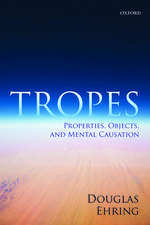 Tropes: Properties, Objects, and Mental CausationDouglas Ehring-5%Preț: 287.61 lei303.24 lei
 -
 -21%Preț: 328.55 lei416.74 lei
 -
 -31%Preț: 506.16 lei735.82 lei
 -
 A Brief History of the Philosophy of TimeAdrian Bardon-8%Preț: 200.89 lei218.38 lei
 -
 The Nature of TimeUlrich Meyer-25%Preț: 502.99 lei666.70 lei
 -
 Locke's MetaphysicsMatthew Stuart-33%Preț: 758.51 lei1139.77 lei
 -
 The Oxford Handbook of the SelfShaun Gallagher-24%Preț: 288.87 lei379.22 lei
 -
 Oxford Studies in Metaphysics, Volume 8Karen Bennett-13%Preț: 334.00 lei381.95 lei
 -
 Intuition, Imagination, and Philosophical MethodologyTamar Szabó GendlerPreț: 317.87 lei
 -
 -16%Preț: 500.59 lei598.16 lei
 -
 Rethinking ResponsibilityK. E. Boxer-31%Preț: 472.21 lei688.34 lei
 -
 -14%Preț: 398.26 lei462.13 lei
 -
 Without Hierarchies: The Scale Freedom of the UniverseMariam Thalos-27%Preț: 569.65 lei775.20 lei
 -
 The Eternal LawJohn H. SpencerPreț: 141.15 lei
 -
 MetaphysicsRobert C. KoonsPreț: 168.51 lei
 -
 A Philosophy of EmptinessGay Watson-32%Preț: 113.22 lei165.49 lei
Cuprins
Contents: The fundamental question of metaphysics; The deflationary response; Necessitarian answers; Ultimate values; The gift of being; Index.
Descriere
This book explores the question of why there is something instead of nothing. Several responses to this question are possible, but only some of them address the question seriously, respecting its emotional aspects as well as its cognitive dimension. The author carefully distinguishes those answers that are truly satisfactory, in both respects, from those that are inadequate. It can be argued that the existence of the world has no explanation at all, or that there is a necessary being whose existence is self-explanatory, or that the world exists because it has value. Each kind of response is defensible to some degree, and it is argued that where they are defensible, they have a common content. Incorporating aspects of both the 'analytical' and 'continental' traditions, this book also responds to several historical philosophers concerned with these questions, including Plato, Leibniz, Kant and Nietzsche.