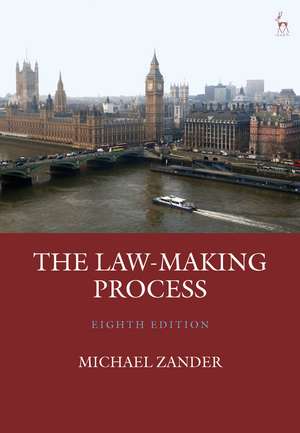
The Law-Making Process
Autor Professor Michael Zander KCen Limba Engleză Paperback – 25 iun 2020
Now in its ninth edition, this leading textbook presents a complete overview of the law-making procedure in the UK. Written by Michael Zander KC, one of the foremost authorities on the workings of the legal system, it combines critical and clear commentary with a well-chosen and wide-ranging selection of materials so that students have at their fingertips everything they need to know about the law-making process.
Dealing with every stage and all forms of law-making, it looks at:
- the preparation of legislation;
- its passage through Parliament;
- statutory interpretation;
- the operation of the rules of precedent in judicial decision-making;
- the many facets of judicial law-making; and
- the machinery of law reform.
The ninth edition has been updated to include the latest information and commentary about government action, case-law, legislation and official reports. It provides extensive coverage of the law-making process post-Brexit and analysis of the changing character of the Supreme Court.
Preț: 340.68 lei
Puncte Express: 511
Carte în stoc
Livrare din stoc 28 octombrie
Livrare prin curier în România Termenul estimat este afișat lângă disponibilitate.
Transport gratuit de la 400.00 lei Plată online sau ramburs, în funcție de opțiunile comenzii.
Retur gratuit în 14 zile Comandă securizată și suport în română.
Specificații
ISBN-13: 9781509934539
ISBN-10: 1509934537
Pagini: 560
Dimensiuni: 169 x 244 x 35 mm
Greutate: 0.96 kg
Ediția:8
Editura: Bloomsbury Publishing
Colecția Hart Publishing
Locul publicării:London, United Kingdom
ISBN-10: 1509934537
Pagini: 560
Dimensiuni: 169 x 244 x 35 mm
Greutate: 0.96 kg
Ediția:8
Editura: Bloomsbury Publishing
Colecția Hart Publishing
Locul publicării:London, United Kingdom
V-ar putea interesa
-
 Administrative Law: A Very Short IntroductionStephen Thomson-19%Preț: 57.46 lei71.12 lei
 -
 EU Law: Text, Cases, and MaterialsPaul Craig-16%Preț: 429.51 lei511.73 lei
 -
 The English Legal SystemAlisdair Gillespie-8%Preț: 389.89 lei424.12 lei
 -
 Blackstone's EU Treaties & LegislationNigel Foster-11%Preț: 146.11 lei163.97 lei
 -
 The UK ParliamentMoyra Grant-7%Preț: 141.77 lei152.99 lei
 -
 Unlocking the English Legal SystemTom FrostPreț: 396.86 lei
 -
 Le Presunzioni In Diritto Romano (1893)Contardo FerriniPreț: 152.92 lei
 -
 Elliott & Quinn's English Legal SystemEmily AllbonPreț: 424.92 lei
 -
 Constitutional and Administrative LawKeith Syrett-16%Preț: 320.08 lei380.86 lei
 -
 Course Notes: Constitutional and Administrative LawJohn McGarryPreț: 354.89 lei
 -
 Constitutional Actors in the UK ConstitutionChris Monaghan-32%Preț: 663.72 lei976.60 leiNou
 -
 The Scottish Legal SystemLorna MacFarlane-17%Preț: 397.47 lei476.84 lei
 -
 Scotland’s Constitution - Law and PracticeChris Himsworth-25%Preț: 564.50 lei755.82 lei
 -
 The Nature of the Judicial ProcessBenjamin N. CardozoPreț: 52.18 lei
 -
 A Guide to the English Legal System: New Edition - 2023Anthony Chadwick-18%Preț: 59.42 lei72.45 lei
 -
 Preț: 363.87 lei
 -
 Law's EmpireProfessor Ronald Dworkin-20%Preț: 225.05 lei281.22 lei
 -
 With the Law on Our SideLady HalePreț: 192.06 lei
 -
 Life in the UK Test: Handbook 2024Alastair SmithPreț: 74.89 lei
 -
 Preț: 167.49 lei
 -
 Preț: 151.73 lei
Cuprins
Summary of Contents
1. Legislation: The Whitehall Stage
1.1. The Preparation of Legislation
1.2. Drafting Legislation
1.3. Criticism of the Quality of Drafting
1.4. What to do about the Quality of the Statute Book?
1.5. The 'Good Law' Initiative
1.6. Final Approval before Introduction in Parliament
2. Legislation: The Westminster Stage
2.1. The Legislative Process
2.2. Legislative Committees
2.3. The Role of the Bill Team
2.4. Interaction Between Interested Parties During the Legislative Process
2.5. The Time Taken by Parliamentary Debates
2.6. The Impact on Bills of the Parliamentary Process
2.7. The Composition and Size of the House of Lords
2.8. Publication of Bills in Draft Form
2.9. Carrying-Over Legislation from One Session to Another
2.10. Control of Business
2.11. Control of the Length of Debates
2.12. The Parliament Acts of 1911 and 1949
2.13. Legislation in Haste
2.14. When does a Statute Come into Force?
2.15. Statutes Online
2.16. The Reach of Legislation and Devolution
2.17. Delegated Legislation
2.18. Rejecting Delegated Legislation
2.19. Scrutiny of Delegated Legislation
2.20. Delegated Legislation: Anglo-American Comparison
2.21. Making Better Law
3. Statutory Interpretation
3.1. Interpretation is a Necessary Aspect of Communication
3.2. The Three Basic So-Called 'Rules' of Statutory Interpretation
3.3. The Three Basic Rules Considered
3.4. Understanding the Context: Statutes and Judicial Decisions
3.5. Understanding the Context: Evidence Beyond Statutes and Judicial Decisions
3.6. Presumptions and Subordinate Principles of Interpretation as an Aid to Construction
3.7. Are the Rules, Principles, Presumptions and Other Guides to Interpretation Binding on the Courts?
3.8. Interpreting Bills of Rights
3.9. What (if any) is the Function of General Statutory Rules on Statutory Interpretation?
3.10. Do Statements of General Principle Assist?
3.11. What is the Court's Proper Function in Interpreting a Statute?
4. Binding Precedent: The Doctrine of Stare Decisis
4.1. The Hierarchy of Courts and the Doctrine of Binding Precedent
4.2. A Comparison with Some Other Countries
4.3. The European Court of Justice
4.4. Devolution Issues
5. How Precedent Works
5.1. Professional Techniques for Using Precedents
5.2. Preparation and Delivery of Judgments
5.3. Are Precedents Law or Only Evidence of the Law?
5.4. The Values Promoted by the System of Precedent
5.5. Flexibility and Stability in the Common Law System
6. Law Reporting
6.1. The History of Law Reporting
6.2. Criticisms of the System
6.3. The Advent of Online Access to Law Reports
6.4. What Decisions are Reported?
6.5. Too Many Unreported Decisions
6.6. Restricting the Citation of Authorities
6.7. The Hierarchy of Reports
6.8. The Form of Law Reports
7. The Nature of the Judicial Role in Law-Making
7.1. The Personal Element in Judicial Law-Making
7.2. The Background of Judges
7.3. The Appointment of Judges
7.3.1. The Lord Chancellor Replaced by a Judicial Appointments
7.4. Do Judges have Biases?
7.5. Should Judges be Activist?
7.6. Can Judges Undertake their Own Researches into the Law?
7.7. What the Law is and What it Ought to be
7.8. The Practical Effect of the Retrospective Impact of Common Law Decisions
7.9. Prospective Overruling as an Aid to Creative Law-Making
7.10. Legal Argument by Non-Parties
7.11. Interaction between the Judge and the Advocate
7.12. The Trend Toward Written Argument
7.13. Interaction between the Judges and their Judicial Assistants
7.14. The Interaction between the Judges
7.15. The Role of the Supreme Court
8. Foreign and Other Sources of Law
8.1. European Union Law
8.2. Scholarly Writings
8.3. Custom
8.4. Quasi-legislation, Codes of Practice, Circulars, Guidance etc
9. The Process of Law Reform
9.1. The History
9.2. The English and Scottish Law Commissions
9.3. The Law Commission - Modern Developments
9.4. Judicial Law-Making in the Light of the Existence of the Law Commission
9.5. The Law Commission and the Codification Project
9.6. The Law Commission and Consultation
1. Legislation: The Whitehall Stage
1.1. The Preparation of Legislation
1.2. Drafting Legislation
1.3. Criticism of the Quality of Drafting
1.4. What to do about the Quality of the Statute Book?
1.5. The 'Good Law' Initiative
1.6. Final Approval before Introduction in Parliament
2. Legislation: The Westminster Stage
2.1. The Legislative Process
2.2. Legislative Committees
2.3. The Role of the Bill Team
2.4. Interaction Between Interested Parties During the Legislative Process
2.5. The Time Taken by Parliamentary Debates
2.6. The Impact on Bills of the Parliamentary Process
2.7. The Composition and Size of the House of Lords
2.8. Publication of Bills in Draft Form
2.9. Carrying-Over Legislation from One Session to Another
2.10. Control of Business
2.11. Control of the Length of Debates
2.12. The Parliament Acts of 1911 and 1949
2.13. Legislation in Haste
2.14. When does a Statute Come into Force?
2.15. Statutes Online
2.16. The Reach of Legislation and Devolution
2.17. Delegated Legislation
2.18. Rejecting Delegated Legislation
2.19. Scrutiny of Delegated Legislation
2.20. Delegated Legislation: Anglo-American Comparison
2.21. Making Better Law
3. Statutory Interpretation
3.1. Interpretation is a Necessary Aspect of Communication
3.2. The Three Basic So-Called 'Rules' of Statutory Interpretation
3.3. The Three Basic Rules Considered
3.4. Understanding the Context: Statutes and Judicial Decisions
3.5. Understanding the Context: Evidence Beyond Statutes and Judicial Decisions
3.6. Presumptions and Subordinate Principles of Interpretation as an Aid to Construction
3.7. Are the Rules, Principles, Presumptions and Other Guides to Interpretation Binding on the Courts?
3.8. Interpreting Bills of Rights
3.9. What (if any) is the Function of General Statutory Rules on Statutory Interpretation?
3.10. Do Statements of General Principle Assist?
3.11. What is the Court's Proper Function in Interpreting a Statute?
4. Binding Precedent: The Doctrine of Stare Decisis
4.1. The Hierarchy of Courts and the Doctrine of Binding Precedent
4.2. A Comparison with Some Other Countries
4.3. The European Court of Justice
4.4. Devolution Issues
5. How Precedent Works
5.1. Professional Techniques for Using Precedents
5.2. Preparation and Delivery of Judgments
5.3. Are Precedents Law or Only Evidence of the Law?
5.4. The Values Promoted by the System of Precedent
5.5. Flexibility and Stability in the Common Law System
6. Law Reporting
6.1. The History of Law Reporting
6.2. Criticisms of the System
6.3. The Advent of Online Access to Law Reports
6.4. What Decisions are Reported?
6.5. Too Many Unreported Decisions
6.6. Restricting the Citation of Authorities
6.7. The Hierarchy of Reports
6.8. The Form of Law Reports
7. The Nature of the Judicial Role in Law-Making
7.1. The Personal Element in Judicial Law-Making
7.2. The Background of Judges
7.3. The Appointment of Judges
7.3.1. The Lord Chancellor Replaced by a Judicial Appointments
7.4. Do Judges have Biases?
7.5. Should Judges be Activist?
7.6. Can Judges Undertake their Own Researches into the Law?
7.7. What the Law is and What it Ought to be
7.8. The Practical Effect of the Retrospective Impact of Common Law Decisions
7.9. Prospective Overruling as an Aid to Creative Law-Making
7.10. Legal Argument by Non-Parties
7.11. Interaction between the Judge and the Advocate
7.12. The Trend Toward Written Argument
7.13. Interaction between the Judges and their Judicial Assistants
7.14. The Interaction between the Judges
7.15. The Role of the Supreme Court
8. Foreign and Other Sources of Law
8.1. European Union Law
8.2. Scholarly Writings
8.3. Custom
8.4. Quasi-legislation, Codes of Practice, Circulars, Guidance etc
9. The Process of Law Reform
9.1. The History
9.2. The English and Scottish Law Commissions
9.3. The Law Commission - Modern Developments
9.4. Judicial Law-Making in the Light of the Existence of the Law Commission
9.5. The Law Commission and the Codification Project
9.6. The Law Commission and Consultation
Recenzii
REVIEW OF THE SEVENTH EDITION
Like all Professor Zander's written works, this new edition provides us with a readable, illuminating study of the issues... this is a substantial work, and appropriate to do justice both to the importance and the subtle refinements of the processes by which our laws are made.
REVIEWS OF THE FIRST EDITION
The Law-Making Process is a book which has developed out of the author's Cases and Materials on the English Legal System. The result lies somewhere between a collection of cases and materials and a text-book, the author illustrating a lively text by well-chosen extracts from a wide variety of sources.
The materials are well chosen, well grouped, varied and usually of a sensible length. They raise a series of consistently fascinating questions about the contemporary evolving and imperfect system.
Michael Zander has got together a most interesting collection of cases and materials, extracts and excerpts from all kinds of sources, with a light lucid linking commentary . The student who absorbs this book will have a good grounding, he will be on the right road. The more mature lawyer will have a better understanding of his craft. The law-maker who addresses himself to the institutional problems raised in this book, and genuinely seeks to overcome them, will be worthy of his responsibilities.
This book shows that by using a full-range of source materials enlivened by critical comment it is possible to achieve a high level of knowledge about the mysteries of the law. The work is highly recommended.
It should be read by anyone whose elected or vocational office requires him to understand the law making process in this country.
Then there are the two groups of students whose needs inspired Professor Zander to compile this volume. Taking the non-law students first, they should find this book a boon and a blessing, if they are grappling with a specialised part of an unfamiliar subject. As for the law students, there is something familiar and something fresh for them, with plenty of indications for future reading. The Zander approach has given them a new way of looking at the law library shelves.
This is a most readable, stimulating book containing many extracts and excerpts which the ordinary law student would not find and might not search out, even if he were given the references. While no attempt has been made to deal with Scots law or Scottish conditions much of the book is generally relevant to study in Scotland and could be read with profit by Scottish students.
A veritable treasure chest of information about the legal system and how it works. It is also amazingly accessible.and deserves a place on every law student's shelf.
Like all Professor Zander's written works, this new edition provides us with a readable, illuminating study of the issues... this is a substantial work, and appropriate to do justice both to the importance and the subtle refinements of the processes by which our laws are made.
REVIEWS OF THE FIRST EDITION
The Law-Making Process is a book which has developed out of the author's Cases and Materials on the English Legal System. The result lies somewhere between a collection of cases and materials and a text-book, the author illustrating a lively text by well-chosen extracts from a wide variety of sources.
The materials are well chosen, well grouped, varied and usually of a sensible length. They raise a series of consistently fascinating questions about the contemporary evolving and imperfect system.
Michael Zander has got together a most interesting collection of cases and materials, extracts and excerpts from all kinds of sources, with a light lucid linking commentary . The student who absorbs this book will have a good grounding, he will be on the right road. The more mature lawyer will have a better understanding of his craft. The law-maker who addresses himself to the institutional problems raised in this book, and genuinely seeks to overcome them, will be worthy of his responsibilities.
This book shows that by using a full-range of source materials enlivened by critical comment it is possible to achieve a high level of knowledge about the mysteries of the law. The work is highly recommended.
It should be read by anyone whose elected or vocational office requires him to understand the law making process in this country.
Then there are the two groups of students whose needs inspired Professor Zander to compile this volume. Taking the non-law students first, they should find this book a boon and a blessing, if they are grappling with a specialised part of an unfamiliar subject. As for the law students, there is something familiar and something fresh for them, with plenty of indications for future reading. The Zander approach has given them a new way of looking at the law library shelves.
This is a most readable, stimulating book containing many extracts and excerpts which the ordinary law student would not find and might not search out, even if he were given the references. While no attempt has been made to deal with Scots law or Scottish conditions much of the book is generally relevant to study in Scotland and could be read with profit by Scottish students.
A veritable treasure chest of information about the legal system and how it works. It is also amazingly accessible.and deserves a place on every law student's shelf.
Notă biografică
Michael Zander KC is Emeritus Professor at the London School of Economics and Political Science, where he taught from 1963 to 1988. His published books include Lawyers and the Public Interest(Weidenfeld & Nicolson,1968); Legal Services for the Community (Temple Smith,1978); A Matter of Justice(IB Tauris 1988); Cases and Materials on the English Legal System(10th edn, Cambridge,2007); A Bill of Rights? (4th edn, Sweet & Maxwell, 1996); Zander on PACE (6th edn, Sweet & Maxwell, 2013);and the1999 Hamlyn Lectures, The State of Justice (Sweet & Maxwell, 2000). He has conducted many empirical studies. He was a member of the Royal Commission on Criminal Justice (1991-93). For 25 years (1963-88) he was also Legal Correspondent of The Guardianand has been a frequent broadcaster on radio and television. He is acknowledged to be one of the foremost authorities on the workings of the legal system.