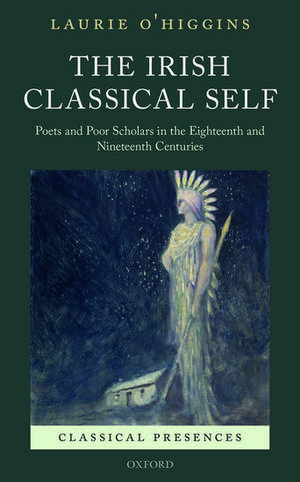
The Irish Classical Self: Poets and Poor Scholars in the Eighteenth and Nineteenth Centuries: Classical Presences
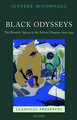
Autor Laurie O'Higginsen Limba Engleză Hardback – 16 mar 2017
Din seria Classical Presences
- 33%
 Preț: 808.54 lei
 - 10%
 Preț: 237.43 lei
 - 33%
 Preț: 576.00 lei
 - 33%
 Preț: 679.10 lei
 - 19%
 Preț: 704.92 lei
 - 32%
 Preț: 652.28 lei
 - 33%
 Preț: 683.80 lei
 - 32%
 Preț: 822.72 lei
 - 32%
 Preț: 680.46 lei
 - 23%
 Preț: 605.54 lei
 - 33%
 Preț: 726.61 lei
 - 32%
 Preț: 646.36 lei
 - 33%
 Preț: 811.41 lei
 - 23%
 Preț: 840.90 lei
 - 19%
 Preț: 685.76 lei
 - 32%
 Preț: 841.84 lei
 - 18%
 Preț: 273.71 lei
 - 32%
 Preț: 970.52 lei
 - 33%
 Preț: 1297.10 lei
 - 31%
 Preț: 915.84 lei
 - 31%
 Preț: 996.07 lei
 - 31%
 Preț: 860.13 lei
 - 31%
 Preț: 678.86 lei
 - 31%
 Preț: 709.10 lei
 - 31%
 Preț: 962.71 lei
 - 31%
 Preț: 712.86 lei
 - 31%
 Preț: 711.44 lei
 - 31%
 Preț: 724.56 lei
 - 31%
 Preț: 857.39 lei
 - 22%
 Preț: 387.36 lei
 - 11%
 Preț: 369.21 lei
 - 29%
 Preț: 534.98 lei
 - 31%
 Preț: 871.41 lei
 - 31%
 Preț: 821.02 lei
 - 31%
 Preț: 661.26 lei
 - 31%
 Preț: 902.13 lei
 - 31%
 Preț: 977.91 lei
 - 31%
 Preț: 853.38 lei
 - 31%
 Preț: 918.69 lei
 - 31%
 Preț: 872.62 lei
 - 31%
 Preț: 710.17 lei
 - 31%
 Preț: 961.70 lei
 - 33%
 Preț: 1056.20 lei
 - 33%
 Preț: 1316.22 lei
 - 33%
 Preț: 1252.24 lei
 - 33%
 Preț: 1108.51 lei
 - 31%
 Preț: 779.75 lei
 - 31%
 Preț: 993.98 lei
Preț: 725.02 lei
Preț vechi: 1053.28 lei
-31%
Puncte Express: 1088
Carte tipărită la comandă
Livrare economică 20-25 noiembrie
Livrare prin curier în România Termenul estimat este afișat lângă disponibilitate.
Transport gratuit pentru acest produs Plată online sau ramburs, în funcție de opțiunile comenzii.
Retur gratuit în 14 zile Comandă securizată și suport în română.
Specificații
ISBN-13: 9780198767107
ISBN-10: 0198767102
Pagini: 330
Ilustrații: 1 black-and-white illustration
Dimensiuni: 142 x 223 x 27 mm
Greutate: 0.51 kg
Editura: OUP OXFORD
Colecția OUP Oxford
Seria Classical Presences
Locul publicării:Oxford, United Kingdom
ISBN-10: 0198767102
Pagini: 330
Ilustrații: 1 black-and-white illustration
Dimensiuni: 142 x 223 x 27 mm
Greutate: 0.51 kg
Editura: OUP OXFORD
Colecția OUP Oxford
Seria Classical Presences
Locul publicării:Oxford, United Kingdom
V-ar putea interesa
-
 Oxford Student Texts: The Merchant's TaleSteven Croft-29%Preț: 79.33 lei111.93 lei
 -
 The IliadHomer-22%Preț: 164.15 lei210.67 lei
 -
 Gender, Violence, and the Past in Edda and SagaDavid Clark-31%Preț: 769.74 lei1121.10 lei
 -
 -22%Preț: 418.76 lei536.65 lei
 -
 Medieval Literature: A Very Short IntroductionElaine Treharne-20%Preț: 55.78 lei70.14 lei
 -
 Romance and the Gentry in Late Medieval EnglandMichael Johnston-31%Preț: 772.69 lei1122.89 lei
 -
 Love and Providence: Recognition in the Ancient NovelSilvia Montiglio-31%Preț: 693.21 lei1006.84 lei
 -
 The Elegiac Passion: Jealousy in Roman Love ElegyRuth Rothaus Caston-31%Preț: 691.37 lei1005.72 lei
 -
 The Primacy of Vision in Virgil's AeneidRiggs Alden SmithPreț: 204.28 lei
 -
 Greek Word OrderDover Publications IncPreț: 177.62 lei
 -
 The Literature of Misogyny in Medieval SpainMichael SolomonPreț: 298.75 lei
 -
 Documents Illustrating the Principates of Gaius Claudius and NeroE. Mary SmallwoodPreț: 328.62 lei
 -
 Chretien de TroyesL. T. TopsfieldPreț: 342.57 lei
 -
 PeirolS. C. AstonPreț: 295.99 lei
 -
 Fools' PlaysHeather ArdenPreț: 296.34 lei
 -
 Statius and VirgilGaniban Randall T.Preț: 350.53 lei
 -
 Reading VirgilPeter JonesPreț: 292.92 lei
 -
 Dante and the Making of a Modern AuthorAlbert AscoliPreț: 453.40 lei
 -
 The Cambridge Introduction to the Old Norse-Icelandic SagaMargaret Clunies RossPreț: 228.53 lei
Recenzii
This is a truly remarkable book ... on a subject that few others could tackle ... since it requires not only wide acquaintance with the Greek and Latin Classics, but also with Gaelic language and culture ... A reviewer cannot do proper justice to the richness of the material presented here, but only salute the copious and varied research that went into it.
What O'Higgins has done is show how literate the Irish actually were and many still are, a useful task, when the British consistently considered them barbaric and needed the "civilization" they brought with them during their murderous occupation.
In short, this is a clearly articulated and well-argued book. ... perhaps the chief merit of this study resides in O'H.'s ability to maximise disparate sources, her careful scrutiny of relevant reports and censuses, and her thorough investigation of the nature and extent of Classical teaching in the period under discussion. As such this work should prove an indispensable resource to those interested in the Classical tradition, in Irish cultural history, in townlands and in the pedagogical methodologies of eighteenth- and nineteenth-century Ireland.
It is to be hoped that Professor O'Higgins' volume reminds us of the many benefits which the classical disciplines timelessly confer, apart altogether from her monograph serving its own commendable ends.
This book deserves a wide readership. Students of classical reception will value its total familiarity with the receiving context, its combination of élite and non-élite views, and its understanding of how Greek and Latin classics interacted with native Irish traditions. Historians of Ireland too should recognize O'Higgins' important contribution: beyond classical reception studies, she brings to light aspects of social and cultural history that historians who are not classically trained might have overlooked, or examined in less depth
What O'Higgins has done is show how literate the Irish actually were and many still are, a useful task, when the British consistently considered them barbaric and needed the "civilization" they brought with them during their murderous occupation.
In short, this is a clearly articulated and well-argued book. ... perhaps the chief merit of this study resides in O'H.'s ability to maximise disparate sources, her careful scrutiny of relevant reports and censuses, and her thorough investigation of the nature and extent of Classical teaching in the period under discussion. As such this work should prove an indispensable resource to those interested in the Classical tradition, in Irish cultural history, in townlands and in the pedagogical methodologies of eighteenth- and nineteenth-century Ireland.
It is to be hoped that Professor O'Higgins' volume reminds us of the many benefits which the classical disciplines timelessly confer, apart altogether from her monograph serving its own commendable ends.
This book deserves a wide readership. Students of classical reception will value its total familiarity with the receiving context, its combination of élite and non-élite views, and its understanding of how Greek and Latin classics interacted with native Irish traditions. Historians of Ireland too should recognize O'Higgins' important contribution: beyond classical reception studies, she brings to light aspects of social and cultural history that historians who are not classically trained might have overlooked, or examined in less depth
Notă biografică
Laurie O'Higgins was educated at Trinity College Dublin, and received her PhD in Classics from Cornell University. She teaches at Bates College in Maine, where she holds the position of Euterpe B. Dukakis Professor of Classical and Medieval Studies, and her research focuses particularly on the question of "hearing" the voices of non-elite men and women in the context of classical studies.
Cuprins
- Frontmatter
- List of Illustrations
- 0: Introduction
- 1: The Stage is Set
- 2: Books in Their Hands
- 3: Esteem, Seriousness, and Folly
- 4: Eighteenth-Century Views and Evaluations of Schools
- 5: Narratives of Scholars and Schools
- 6: The Educational Tide Turns
- 7: Talent and Genius in the Humbler Walks of Life
- 8: Conclusion
- Appendices
- A. Extract from "Archbishop Butler's Visitation Book" Volume II
- B. "Amicus amico." Poem by Newby
- C. 1824 Returns to the Second or Royal Commission on Education in Ireland
- D. 1834 Returns Connected to the Second Report of the Commissioners of Public Instruction
- Endmatter
- Bibliography
- Index