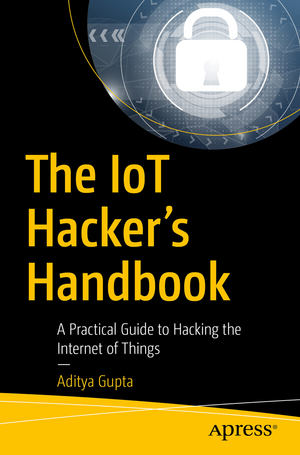
The Iot Hacker's Handbook
Autor Aditya Guptaen Limba Engleză Paperback – apr 2019
În domeniul dispozitivelor conectate (IoT), securitatea este adesea sacrificată în favoarea vitezei de lansare pe piață, lăsând ecosisteme întregi vulnerabile în fața atacurilor fizice și digitale. Ne-a atras atenția The IoT Hacker's Handbook prin abordarea sa extrem de aplicată, care transformă teoria securității în pași concreți de auditare a hardware-ului. Spre deosebire de Security of Internet of Things Nodes, care adoptă o perspectivă academică asupra algoritmilor și cercetării, lucrarea lui Aditya Gupta este un manual de teren pentru cel care dorește să „desfacă” dispozitivul la propriu. Structura cărții urmărește riguros procesul de penetrare a unui sistem: de la identificarea componentelor de pe placa de circuit imprimat (PCB) și utilizarea interfețelor UART sau SPI pentru accesarea consolelor de administrare, până la tehnici avansate de debugging prin JTAG. Apreciem în mod deosebit progresia logică către ingineria inversă (reverse engineering) aplicată pe binare specifice arhitecturilor ARM și MIPS, esențiale pentru înțelegerea modului în care firmware-ul poate fi extras și analizat pentru vulnerabilități. În contextul lucrărilor anterioare ale autorului, precum Omnipresence of Intelligent Systems in Modern Society, această carte reprezintă o specializare tehnică profundă, mutând accentul de pe sistemele inteligente generale pe vulnerabilitățile hardware specifice. Comparativ cu Practical IoT Hacking, care oferă o viziune de ansamblu asupra întregului ecosistem, The IoT Hacker's Handbook este mai focalizat pe interacțiunea directă cu hardware-ul și protocoalele radio. Capitolele dedicate Software Defined Radio (SDR) și exploatării ZigBee sau Bluetooth Low Energy (BLE) oferă cititorului instrumentele necesare pentru a intercepta și manipula traficul de date într-un mod controlat și etic.
Preț: 271.79 lei
Preț vechi: 339.74 lei
-20%
Carte disponibilă
Livrare economică 11-25 noiembrie
Specificații
ISBN-10: 1484242998
Pagini: 320
Ilustrații: Bibliographie
Dimensiuni: 156 x 233 x 25 mm
Greutate: 0.52 kg
Ediția:1st ed.
Editura: Apress
Locul publicării:Berkeley, CA, United States
V-ar putea interesa
-
 -40%Preț: 458.81 lei768.90 lei
 -
 -31%Preț: 441.34 lei639.30 lei
 -
 -20%Preț: 223.35 lei279.20 lei
 -
 Comptia It Fundamentals (Itf+) Study GuideQuentin Docter-20%Preț: 277.09 lei346.36 lei
 -
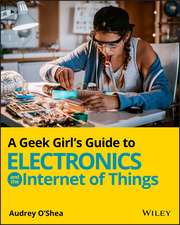 -20%Preț: 209.37 lei261.70 lei
 -
 CEH v11 Certified Ethical Hacker Study GuideRic MessierPreț: 299.74 lei
 -
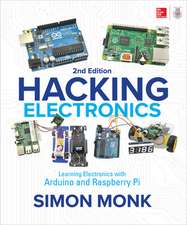 -31%Preț: 176.73 lei257.72 lei
 -
 -28%Preț: 295.73 lei411.52 lei
 -
 -20%Preț: 341.15 lei426.44 lei
 -
 Hacking: The Art of Exploitation, 2nd EditionJon Erickson-35%Preț: 256.58 lei394.85 lei
 -
 The Car Hacker's HandbookCraig Smith-20%Preț: 296.88 lei368.99 lei
 -
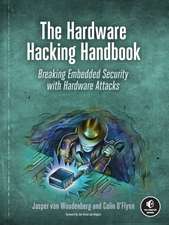 The Hardware Hacking Handbook: Breaking Embedded Security with Hardware AttacksJasper van Woudenberg-35%Preț: 280.69 lei429.78 lei
 -
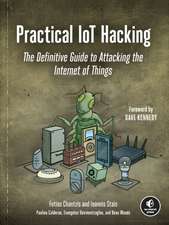 -35%Preț: 287.78 lei443.61 lei
 -
 Metasploit, 2nd EditionDavid Kennedy-20%Preț: 295.37 lei369.22 lei
 -
 -36%Preț: 295.82 lei462.12 lei
 -
 Microcontroller ExploitsTravis Goodspeed-35%Preț: 255.98 lei394.70 lei
 -
 -36%Preț: 284.35 lei440.95 lei
 -
 The Official Raspberry Pi Handbook 2026The Makers of Raspberry Pi Official Magazine-20%Preț: 109.31 lei136.64 lei
 -
 Challenges in the IoT and Smart EnvironmentsReza Montasari-20%Preț: 1009.35 lei1261.68 lei
 -
 Concise Guide to the Internet of ThingsMichael Mccarthy-20%Preț: 421.74 lei527.18 lei
De ce să citești această carte
Recomandăm această carte inginerilor de sisteme embedded și experților în teste de penetrare care doresc să treacă de la securitatea software la cea hardware. Cititorul câștigă competențe critice în identificarea punctelor de intrare la nivel de chip și în analiza firmware-ului, devenind capabil să construiască dispozitive mai rezistente prin înțelegerea modului în care acestea sunt compromise în mod real.
Despre autor
Aditya Gupta este un specialist recunoscut în securitatea informatică, cu o pasiune timpurie pentru tehnologie, fiind implicat în dezvoltarea de soluții software și workshop-uri educaționale sub egida Devoxx4Kids. Expertiza sa acoperă limbaje de programare diverse, de la Java și Python la sisteme iOS, fiind orientat spre demistificarea tehnologiilor complexe. Prin lucrările sale, Gupta explorează intersecția dintre sistemele inteligente și securitatea practică, aducând o perspectivă aplicată asupra vulnerabilităților din lumea reală.
Descriere scurtă
- Perform a threat model of a real-world IoT device and locate all possible attacker entry points
- Use reverse engineering of firmware binaries to identify security issues
- Analyze,assess, and identify security issues in exploited ARM and MIPS based binaries
- Sniff, capture, and exploit radio communication protocols, such as Bluetooth Low Energy (BLE), and ZigBee