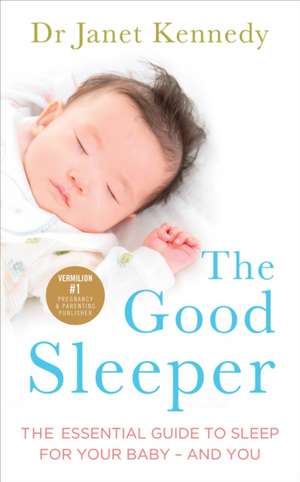
The Good Sleeper
Autor Janet Kennedyen Limba Engleză Paperback – 29 ian 2015
Acest manual practic, The Good Sleeper, scris de Janet Kennedy, propune o abordare structurată și bazată pe dovezi pentru una dintre cele mai mari provocări ale părinților: somnul sugarului. Remarcăm faptul că autoarea nu oferă doar o listă de soluții rapide, ci explică mecanismele fiziologice care guvernează odihna celor mici, punând un accent deosebit pe rolul adrenalinei. Ne-a atras atenția modul în care este demontat cercul vicios al oboselii extreme, unde un bebeluș prea obosit devine, paradoxal, mult mai greu de adormit din cauza stimulării hormonale. Structura volumului urmărește progresia naturală a copilului. Primele capitole se concentrează pe perioada critică a primelor șase săptămâni, oferind îndrumări despre ierarhia independenței în somn și rolul părintelui ca facilitator, nu doar ca observator. Merită menționat că, spre deosebire de Baby sleep training de Angela Watson, care promite soluții rapide în doar câteva zile, The Good Sleeper adoptă o perspectivă mai nuanțată și pe termen lung, integrând tranziția către pătuț, utilizarea suzetei și stabilirea unei rutine de seară sustenabile. Acoperă aceeași arie tematică precum The Sleep Lady(R)'s Gentle Newborn Sleep Guide de Kim West, însă Janet Kennedy pune un accent mai mare pe semnalele biologice de somnolență și pe gestionarea factorilor perturbatori precum refluxul sau colicile. Fiecare capitol se încheie cu puncte-cheie, transformând lectura într-un instrument de referință rapidă, esențial pentru părinții care se confruntă cu privarea de somn. Stilul este direct, informativ și lipsit de judecată, oferind claritate într-un domeniu adesea saturat de informații contradictorii.
Preț: 86.36 lei
Preț vechi: 140.53 lei
-39%
Carte disponibilă
Livrare economică 05-11 noiembrie
Livrare express 20-24 octombrie pentru 79.27 lei
Specificații
ISBN-10: 0091954894
Pagini: 304
Dimensiuni: 137 x 216 x 25 mm
Greutate: 0.33 kg
Editura: Vintage Publishing
V-ar putea interesa
-
 Healthy Sleep Habits, Happy ChildMarc Weissbluth-18%Preț: 117.66 lei143.42 lei
 -
 -20%Preț: 86.00 lei106.87 lei
 -
 The New Contented Little Baby BookGina Ford-23%Preț: 89.19 lei115.92 lei
 -
 The Sleepeasy SolutionJennifer WaldburgerPreț: 113.42 lei
 -
 Save Our SleepTizzie Hall-19%Preț: 86.37 lei106.42 lei
 -
 Top Tips from the Baby Whisperer: SleepMelinda Blau-21%Preț: 71.27 lei90.10 lei
 -
 -17%Preț: 114.03 lei137.56 lei
 -
 -28%Preț: 453.40 lei633.42 lei
 -
 -26%Preț: 89.68 lei121.51 lei
 -
 -24%Preț: 94.95 lei125.21 lei
 -
 The Happiest Baby on the BlockHarvey KarpPreț: 117.19 lei
 -
 Baby SecretsBarbara Want-18%Preț: 75.58 lei92.66 lei
 -
 Sleep Lady's Good Night, Sleep TightKim WestPreț: 123.19 lei
 -
 The No-Cry Sleep Solution, Second EditionElizabeth Pantley-10%Preț: 90.19 lei100.63 lei
 -
 -26%Preț: 89.85 lei122.07 lei
 -
 The One-Week Baby Sleep SolutionGina Ford-28%Preț: 54.98 lei76.21 lei
 -
 The Just Chill Baby Sleep BookRosey Davidson-24%Preț: 89.12 lei117.18 lei
 -
 The Sensational Toddler Sleep PlanAlison Scott-Wright-24%Preț: 86.84 lei113.95 lei
 -
 The Happy SleeperHeather TurgeonPreț: 121.08 lei
De ce să citești această carte
Recomandăm această carte părinților care caută o metodă echilibrată, situată între rigoarea științifică și empatia necesară îngrijirii unui nou-născut. Veți învăța să recunoașteți semnele subtile de oboseală înainte ca bebelușul să devină suprastimulat și veți dobândi încrederea de a stabili rutine sănătoase. Este un ghid esențial pentru a transforma haosul nopților nedormite într-un program de odihnă predictibil și regenerator pentru întreaga familie.
Cuprins
- 1: Introduction
- 1: The Good Sleeper Approach to Infant Sleep
- 1: It's All About Adrenaline
- 1: Adrenaline and Overfatigue
- 2: Keeping Your Baby Well Rested
- 1: Watching the Clock
- 2: Following Drowsiness Cues
- 3: Common Myths and Misconceptions
- 4: Key Points from Chapter
- 2: The Early Weeks (0-6 Weeks Old)
- 1: Where Will Your Baby Sleep?
- 1: A Hierarchy of Sleep Independence
- 2: Becoming Your Baby's Sleep Facilitator
- 1: Responding to Drowsiness Cues
- 2: White Noise
- 3: Responding to Night Waking
- 4: Dummies
- 3: The Onset of Fussiness
- 1: Coping with Colic
- 2: Is It Reflux?
- 4: Avoid Information Overload
- 5: Key Points from Chapter
- 3: The Light at the End of the
- 1: Newborn Tunnel (6-12 Weeks)
- 2: The Beginnings of the Body Clock
- 3: The Sleep and Eating "Schedule"
- 4: The Sleep Environment
- 5: Easing into Independent Napping
- 6: Establishing the Bedtime Routine
- 7: Lengthening Night Sleep
- 8: Baby Monitors
- 9: Transitioning to the Cot
- 10: Dummies
- 11: Swaddles
- 12: Challenging Situations: Colic and Reflux
- 13: Key Points from Chapter 3
- 4: A Schedule Emerges (12-20 Weeks and Beyond)
- 1: Toning Down the Soothing
- 2: The Schedule Develops
- 3: Why So Much Focus on Naps?
- 4: The Early Bedtime
- 5: The Schedule Evolves
- 1: What If You Don't Have a Choice About Nap Times?
- 6: Key Points from Chapter 4
- 5: Sleeping Through the Night
- 1: Step 1: Get Your Baby as Rested as Possible
- 2: Step 2: Create Sleep Cues and Stop Feeding to Sleep
- 3: Step 3: Teach Your Baby to Fall Asleep in the Cot
- 4: Step 4: Figure Out Why Your Baby Is Still Waking Up
- 1: Need Versus Want
- 5: Step 5: Pick a Strategy: Methodical Step-by Step or Cut to the Chase
- 6: Step 6: Weaning from Night Feedings
- 7: Step 7: Weaning from Night Soothing
- 8: Step 8: The Final Hurdle: Cry-It-Out
- 1: Timing
- 2: Extinction Explained
- 3: Preparation and Safety
- 4: The Process
- 5: Crying with Checks: AKA the
- 6: "Ferber Method"
- 7: Crying Without Checks
- 8: Keeping a Scheduled Feeding
- 9: Dream Feeding
- 10: Vomit
- 11: How to Survive Cry-It-Out
- 12: Your Baby's Reaction
- 13: How Long Does It Take?
- 14: Does It Last?
- 9: Key Points from Chapter 5
- 6: Getting Unstuck
- 1: Your Self-Assessment
- 2: Determining Your Plan of Action
- 3: Working in Phases
- 1: Phase 1: Laying the Groundwork
- 2: Phase 2: It's Time for Crying
- 4: Nights, Naps, or Both?
- 5: How to Use Crying at Nap Time
- 6: What If Crying Doesn't Work?
- 7: Key Points from Chapter 6
- 7: Tricky Circumstances
- 1: Space Challenges
- 2: Siblings
- 3: Room Sharing
- 4: Travel
- 5: Jet Lag
- 6: Daylight Savings
- 7: Changes and Derailments
- 1: Illness
- 2: Teething
- 3: Developmental Milestones
- 8: Developmental Changes to the Sleep Schedule
- 9: Key Points from Chapter 7
- 8: Child Care
- 1: Day Care or Nanny?
- 2: Benefits of Day Care
- 3: Disadvantages of Day Care
- 4: Benefits of Hiring a Nanny
- 5: Disadvantages of Hiring a Nanny
- 6: What to Look For in a Day Care
- 7: Talking to Your Nanny About Sleep
- 8: And Now, Take the Leap
- 9: Key Points from Chapter 8
- 9: Reality Check
- 1: You Can't Control Everything
- 2: You Do Need to Have Some Control
- 3: Sleep Is Not Always Perfectly Predictable
- 4: Good Sleepers Make Noise During the Night
- 5: Taking a Step Back
- 6: Key Points from Chapter 9
- 10: When the Baby Is Sleeping but the Parents Aren't
- 1: Having a Baby Is Stressful, Even When Things Go Smoothly
- 2: Taking Care of Yourself in Increments
- 3: Getting the Sleep You Need
- 4: Resetting Your Body Clock
- 5: Take Care of You
- 11: Appendix A: Cry-It-Out: Is It Harmful?
- 1: "Scientists Say . . ."
- 2: What the Leading Scientists Really Say
- 1: Research on Cry-It-Out/Extinction
- 2: The Impact of Sleep Training on Attachment
- 3: The Truth About Cortisol
- 4: What About Long-term Effects of Cry-It-Out?
- 12: Appendix B: The Good Sleeper Primer
- 13: Appendix C: Sleep Diaries
- 14: Index of Case Examples
- 15: Recommended Reading and Viewing
- 16: References from Appendix A: Cry-It-Out: Is It Harmful?
- 17: Additional Sources
- 18: Acknowledgments
- 19: Index