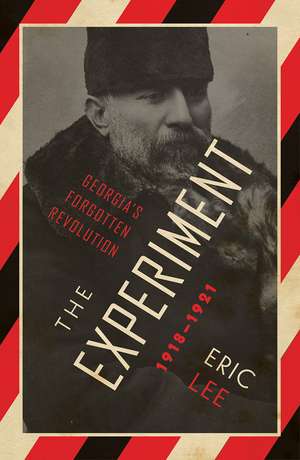
The Experiment: Georgia's Forgotten Revolution 1918-1921
Autor Eric Leeen Limba Engleză Hardback – 15 sep 2017
Descoperim în The Experiment o analiză riguroasă a unui moment istoric adesea eclipsat de autoritarismul sovietic: scurta perioadă de independență a Georgiei între 1918 și 1921. Eric Lee propune o abordare interdisciplinară, situând evenimentele la intersecția dintre istoria politică, sociologia mișcărilor sindicale și studiul ideologiilor marxiste. Autorul demonstrează cum, într-un context regional volatil, Georgia a reușit să implementeze un model de socialism democratic bazat pe pluripartidism, libertatea de exprimare și o societate civilă robustă.
Notăm cu interes structura cronologică și tematică a volumului. De la „Repetiția generală” și „Reforma agrară”, până la analiza sindicatelor independente și a cooperativelor, cuprinsul indică o progresie logică ce nu ignoră punctele vulnerabile, precum tensiunile cu minoritățile naționale descrise în capitolul „Achilles' Heel”. Această perspectivă nuanțată diferențiază lucrarea de simplele cronici militare, oferind o viziune de ansamblu asupra unei alternative umane la realitatea sovietică ce avea să urmeze.
Comparabil cu The Making of Modern Georgia, 1918-2012 de Stephen F. Jones în rigurozitatea documentării, volumul lui Lee este actualizat pentru a evidenția rolul specific al mișcărilor muncitorești, reflectând expertiza autorului în domeniul sindicalismului internațional. În contextul operei sale, The Experiment continuă interesul lui Eric Lee pentru episoadele de rezistență și identitate națională, teme explorate anterior în Night of the Bayonets, dar aici focusul se mută de la rebeliunea militară la construcția instituțională a unui stat democratic.
Preț: 548.91 lei
Preț vechi: 822.40 lei
-33%
Carte tipărită la comandă
Livrare economică 23 noiembrie-07 decembrie
Specificații
ISBN-10: 1786990938
Pagini: 252
Ilustrații: Maps 1 8pp mono plate section
Dimensiuni: 130 x 204 x 24 mm
Greutate: 0.38 kg
Editura: Bloomsbury Publishing
Colecția Zed Books
Locul publicării:London, United Kingdom
De ce să citești această carte
Această carte este esențială pentru studenții și cercetătorii interesați de istoria politică a Caucazului și de alternativele istorice la bolșevism. Cititorul câștigă o înțelegere profundă a modului în care democrația și socialismul au fost armonizate într-un context de criză. Este o lectură necesară pentru a înțelege rădăcinile statalității georgiene și fragilitatea experimentelor democratice în fața expansiunii imperiale.
Despre autor
Eric Lee este un jurnalist și istoric cu o activitate de peste trei decenii în cadrul stângii democratice. Implicat inițial în mișcările împotriva războiului din Vietnam și pentru drepturile evreilor sovietici, el a devenit o voce respectată în analiza mișcărilor sindicale internaționale. Pe lângă The Experiment, a publicat lucrări notabile precum Operation Basalt și Night of the Bayonets, aceasta din urmă tratând tot un subiect georgian din Al Doilea Război Mondial. Experiența sa practică în politică și sindicate din SUA și Marea Britanie îi conferă o perspectivă unică asupra istoriei sociale.
Descriere
The experience of Georgia, which declared its independence from Russia in 1918, tells a different story. In this riveting history, Eric Lee explores the little-known saga of the country's experiment in democratic socialism, detailing the epic, turbulent events of this forgotten chapter in revolutionary history. Along the way, we are introduced to a remarkable cast of characters - among them the men and women who strove for a more inclusive vision of socialism that featured multi-party elections, freedom of speech and assembly, a free press and a civil society grounded in trade unions and cooperatives. Though the Georgian Democratic Republic lasted for just three years before it was brutally crushed on the orders of Stalin, it was able to offer, however briefly, a glimpse of a more humane alternative to the Soviet reality that was to come.
Cuprins
Preface
Prologue
1. Founding Father
2. Dress Rehearsal
3. The Experiment Begins
4. The Turn towards Germany
5. At War With Armenia
6. The British Take Charge
7. Georgia's Agrarian Revolution
8. The Independence of the Trade Unions
9. The Rise and Rise of the Cooperatives
10. Achilles' Heel: Georgia's National Minorities
11. Fifth Column
12. Europe's Socialist Leaders Come for a Visit
13. The State That Never Was
14. The Experiment Ends
15. The Final Battle
16. Another Revolution Was Possible
Recenzii
This is an important book. It is the first study in English of the Menshevik government in Georgia between 1918 and 1921.
Lee provides a fascinating account of what the country briefly looked like under Menshvik rule and how this compared to the regime established by Georgia's most famous son, Stalin.
As Lee reminds us, this Menshevik-dominated government backed free elections, freedom of the press, an independent judiciary, parliamentary rule and free trade unions. Perhaps its most impressive achievement was to carry out agrarian reform, allowing peasants to buy land at reasonable prices and not resorting to the catastrophic forced collectivization the Bolsheviks later employed. Visiting Georgia, a Western socialist like Karl Kautsky could declare it the "antithesis to Bolshevism."
Lee's gripping, well-researched Operation Basalt shines a bright light on a tiny, yet important, corner of World War II ...exciting and illuminating
Riveting
An authentic and compelling read
A sympathetic, lucidly written and politically literate account of the first Georgian Republic, which makes exhaustive use of the accounts of foreign observers as well as some of the major leading figures.
Covering a crucial but strangely overlooked period in the fevered evolution of socialism, we've been waiting for this book for a long time. Fortunately, it arrives excellently written and researched.
In a clear and succinct style, Eric Lee paints a sympathetic portrait of this remarkable experiment in democratic socialism. Lee has brought this almost unknown story out of the shadows, giving it its proper place in the historiography of socialism and the Russian Revolution.