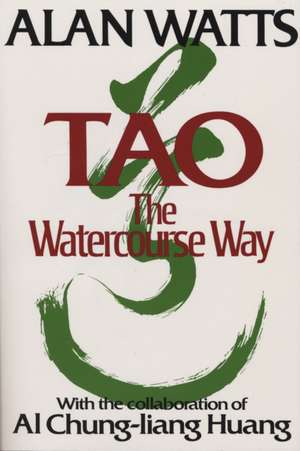
Tao: Knopf Doubleday Publishing Group
Autor Alan Wattsen Limba Engleză Paperback – 12 ian 1977
Adresat studenților de la facultățile de filosofie și studii orientale, cercetătorilor interesați de religiile asiatice, dar și practicienilor care caută un echilibru între viața modernă și ritmul naturii, acest volum reprezintă sinteza finală a gândirii lui Alan Watts. Găsim în această carte o abordare sistematică a modului în care înțelepciunea chineză antică poate fi aplicată pentru a calma mintea într-o lume dominată de productivitate constantă. Putem afirma că structura lucrării este una progresivă, începând cu fundamentul lingvistic în capitolul despre limba chineză scrisă, trecând prin polaritatea Yin-Yang și culminând cu explorarea conceptelor de Tao și Wu-wei (non-acțiunea). Merită menționat că prezența caligrafiei chineze, inserată strategic între capitole, nu are doar un rol estetic, ci servește drept suport vizual pentru înțelegerea fluidității filosofiei abordate. Comparabil cu The Tao de Laozi în ceea ce privește rigoarea conceptelor fundamentale, volumul lui Watts este actualizat pentru un context occidental, traducând metaforele arhaice într-un limbaj accesibil și relevant pentru secolul XX și XXI. În contextul operei sale, Tao: The Watercourse Way întregește viziunea începută în The Way of Zen și aprofundată în Nature, Man and Woman. Dacă în lucrările anterioare Watts se concentra pe relația omului cu divinul sau cu propriul corp, aici el pune accent pe „curgerea” împreună cu universul. Spre deosebire de The Joyous Cosmology, care explora conștiința prin prisma experiențelor psihedelice, acest titlu propune o cale sobră, dar fascinantă, de redobândire a libertății interioare prin observație și non-intervenție.
Din seria Knopf Doubleday Publishing Group
-
 Preț: 118.24 lei
 -
 Preț: 90.14 lei
 -
 Preț: 73.98 lei
 -
 Preț: 102.93 lei
 -
 Preț: 116.26 lei
 -
 Preț: 82.18 lei
 -
 Preț: 104.40 lei
 -
 Preț: 94.79 lei
 -
 Preț: 148.73 lei
 -
 Preț: 106.26 lei
 -
 Preț: 53.51 lei
 -
 Preț: 100.24 lei
 -
 Preț: 98.65 lei
 -
 Preț: 127.19 lei
 -
 Preț: 115.76 lei
 -
 Preț: 106.66 lei
 -
 Preț: 104.05 lei
 -
 Preț: 106.66 lei
 -
 Preț: 109.77 lei
 -
 Preț: 113.78 lei
 -
 Preț: 106.89 lei
 -
 Preț: 156.51 lei
 -
 Preț: 90.99 lei
 -
 Preț: 89.83 lei
 -
 Preț: 110.22 lei
 -
 Preț: 85.03 lei
 -
 Preț: 115.61 lei
 -
 Preț: 96.73 lei
 -
 Preț: 86.45 lei
 -
 Preț: 89.58 lei
 -
 Preț: 106.47 lei
 -
 Preț: 87.99 lei
 -
 Preț: 108.77 lei
 -
 Preț: 107.12 lei
 -
 Preț: 88.00 lei
 -
 Preț: 89.12 lei
 -
 Preț: 97.19 lei
 -
 Preț: 83.66 lei
 -
 Preț: 92.72 lei
 -
 Preț: 96.09 lei
 -
 Preț: 78.00 lei
 -
 Preț: 113.32 lei
 -
 Preț: 112.27 lei
 -
 Preț: 112.50 lei
 -
 Preț: 111.93 lei
 -
 Preț: 142.08 lei
 -
 Preț: 90.83 lei
 -
 Preț: 104.21 lei
 -
 Preț: 92.59 lei
 -
 Preț: 90.60 lei
Preț: 95.90 lei
Carte disponibilă
Livrare economică 26 octombrie-09 noiembrie
Specificații
ISBN-10: 0394733118
Pagini: 162
Dimensiuni: 157 x 235 x 14 mm
Greutate: 0.22 kg
Editura: Random House
Colecția Knopf Doubleday Publishing Group
Seria Knopf Doubleday Publishing Group
V-ar putea interesa
-
 -16%Preț: 193.75 lei231.63 lei
 -
 The Wisdom of InsecurityAlan WattsPreț: 105.67 lei
 -
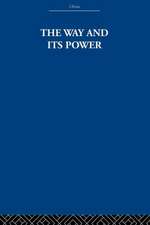 The Way and Its Power: A Study of the Tao Tê Ching and Its Place in Chinese ThoughtThe Arthur Waley Estate-15%Preț: 463.90 lei545.76 lei
 -
 Media and New Religions in JapanErica Baffelli-18%Preț: 1246.62 lei1520.27 lei
 -
 The Secret Of The Golden Flower: A Chinese Book of LifeRichard Wilhelm-15%Preț: 418.47 lei492.32 lei
 -
 TaoismHolmes H. WelchPreț: 146.74 lei
 -
 Preț: 103.92 lei
 -
 Tao the Way of GodWaysun LiaoPreț: 125.89 lei
 -
 -15%Preț: 466.42 lei548.73 lei
 -
 Ancestor Worship & Japanese LawBaron Nobushige HozumiPreț: 238.96 lei
 -
 -26%Preț: 207.74 lei279.11 lei
 -
 -25%Preț: 212.30 lei284.29 lei
 -
 Alan Watts - In the AcademyAlan WattsPreț: 263.99 lei
 -
 LAO TZU'S TAO TE CHING Psychotherapeutic CommentariesRaymond Bart VespePreț: 114.10 lei
 -
 The Fish Who Found the SeaAlan WattsPreț: 111.22 lei
 -
 Just SoAlan WattsPreț: 100.00 lei
 -
 -19%Preț: 147.35 lei182.74 lei
 -
 Embrace Tiger, Return to Mountain: The Essence of Tai JiChungliang Al Al HuangPreț: 141.06 lei
 -
 -21%Preț: 106.69 lei134.75 lei
 -
 XinYi WuDao: Heart-Mind - The Dao of Martial ArtsZhao ShouRong-21%Preț: 164.08 lei207.71 lei
De ce să citești această carte
Această carte este esențială pentru oricine dorește să înțeleagă taoismul dincolo de citate simpliste. Cititorul câștigă o perspectivă clară asupra modului în care poate naviga dificultățile vieții fără rezistență inutilă. Este un ghid de „curs corect” care oferă instrumente intelectuale pentru a înlocui stresul performanței cu ritmul natural al existenței, fiind totodată o introducere academică solidă în terminologia chineză.
Despre autor
Alan Watts (1915–1973) a fost un filosof și scriitor britanic, recunoscut drept unul dintre cei mai importanți interpreți ai tradițiilor orientale pentru publicul occidental. După o perioadă în care a servit ca preot episcopal, s-a stabilit în California, devenind o figură centrală a contra-culturii anilor '60. Autor a peste 25 de cărți, Watts a reușit să democratizeze concepte complexe din budismul Zen și taoism, integrându-le cu elemente de psihoterapie și filosofie modernă. Lucrarea de față, finalizată cu ajutorul lui Al Chung-Liang Huang, reprezintă testamentul său spiritual și intelectual.
Notă biografică
Recenzii
—Kirkus Reviews
"Perhaps the foremost interpreter of Eastern disciplines for the contemporary West, Alan Watts had the rare gift of 'writing beautifully the unwritable' . . . Watts begins with scholarship and intellect and proceeds with art and eloquence to the frontiers of the spirit . . . This is a profound and worthy work, left by a teacher to echo and re-echo."
—Los Angeles Times
"A remarkable book because of Alan Watts's talent for communicating Eastern ways of thought . . . not only the last of his works, but the best . . . This book is a 'must.'"
—Shambhala Review
"Watts's last book is in the category of his finest work, a lucid discussion of Taoism and the Chinese language . . . profound, reflective, and enlightening. Moreover, the text supplies a sense of his ebullient spirit behind the revelation of Tao."
—Boston Globe
Textul de pe ultima copertă
Cuprins
Preface xiv
Prolegomena xvii
The Pronunciation of Chinese Words xxi
1. The Chinese Written Language 2
2. The Yin-Yang Polarity 18
3. Tao 37
CHINESE CALLIGRAPHY 56
4. We-wei 74
CHINESE CALLIGRAPHY 99
5. Te—Virtuality 106
Once Again: A New Beginning, by Al Chung-liang Huang 123
Note on My Calligraphy 128
Bibliography 129
Descriere
Following Alan Watts' acclaimed book on Zen Buddhism The Way of Zen, he tackles the Chinese philosophy of Tao. The Tao is the way of man's cooperation with the natural course of the natural world. Alan Watts takes the reader through the history of Tao and its interpretations by key thinkers such as Lao-Tzu, author of the Tao Te Ching. Watts goes on to demonstrate how the ancient and timeless Chinese wisdom of Tao promotes the idea of following a life lived according to the natural world and goes against our goal-oriented ideas by allowing time to quiet our minds and observe the world rather than imposing ourselves on it. By taking in some of the lessons of Tao, we can change our attitude to the way we live. Drawing on ancient and modern sources, Watts treats the Chinese philosophy of Tao in much the same way as he did Zen Buddhism in his classic The Way of Zen. Including an introduction to the Chinese culture that is the foundation of the Tao, this is one of Alan Watts' best-loved works.