
Stoker, B: Dracula
en Limba Engleză Paperback – 17 feb 2025
Observăm în proza lui Bram Stoker o arhitectură narativă unică, unde teroarea nu se instalează prin descrieri directe, ci prin acumularea fragmentată de jurnale, scrisori și telegrame. Această polifonie de voci creează o verosimilitate stranie, transformând supranaturalul într-o amenințare documentată riguros. Stilul său îmbină precizia aproape clinică a observației cu o atmosferă gotică densă, invitând cititorul să descopere mecanismele fricii de la finalul secolului al XIX-lea. Subliniem faptul că această ediție publicată de Autri Books nu este doar o reproducere a textului original, ci un instrument de studiu complex. Prin glosarul de termeni și introducerea semnată de un specialist, suntem ghidați prin labirintul convențiilor victoriene și al conceptelor culturale care pot părea obscure cititorului modern. Ca și Bram Stoker's Dracula de Professor William Hughes, acest volum explorează influența culturală și temele fundamentale ale romanului, dar dintr-o perspectivă axată pe facilitarea înțelegerii directe a textului pentru studenți, oferind resurse pedagogice integrate. Descoperim aici o analiză a raportului dintre știință și superstiție, reflectând anxietățile unei epoci aflate la granița dintre tradiție și modernitate. Structura clară și aparatul critic transformă lectura într-o experiență de explorare academică, fără a știrbi din farmecul întunecat al poveștii contelui transilvănean.
Preț: 276.23 lei
Carte indisponibilă temporar
Specificații
V-ar putea interesa
-
 XDRACULA_CLASSICS PBBram StokerPreț: 28.01 lei
 -
 DraculaBram StokerPreț: 35.26 lei
 -
 Dracula's Guest and Other Weird TalesBram Stoker-25%Preț: 59.52 lei79.22 lei
 -
 The Picture of Dorian GrayOscar WildePreț: 35.80 lei
 -
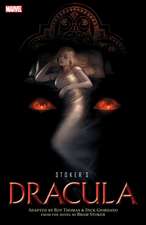 Stoker's DraculaRoy Thomas-20%Preț: 128.88 lei161.08 lei
 -
 Preț: 145.85 lei
 -
 Dracula and Other Horror ClassicsBram Stoker-31%Preț: 207.77 lei299.39 lei
 -
 Dracula (Graphic Art Collector's Edition)Bram Stoker-30%Preț: 92.74 lei132.66 lei
 -
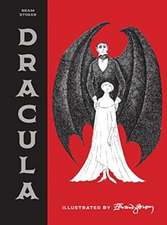 Dracula (Deluxe Edition)Bram Stoker-31%Preț: 188.53 lei273.50 lei
 -
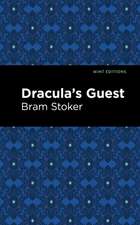 Dracula's GuestBram StokerPreț: 46.43 lei
 -
 Dr Jekyll and Mr Hyde and Other StoriesRobert Louis StevensonPreț: 135.70 lei
 -
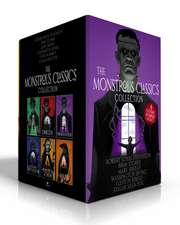 -19%Preț: 165.80 lei204.72 leiRecomandat
 -
 DraculaBram Stoker-26%Preț: 58.37 lei78.82 lei
 -
 Dracula & Dracula''s GuestBram StokerPreț: 33.48 lei
 -
 DraculaBram StokerPreț: 31.51 lei
 -
 Dracula The Graphic NovelBram StokerPreț: 87.75 lei
 -
 #DRCL midnight children, Vol. 5Shin'ichi Sakamoto-19%Preț: 127.45 lei157.81 leiRecomandat
 -
 FrankensteinMary ShelleyPreț: 30.07 lei
 -
 Dracula (Deluxe Hardbound Edition)Bram StokerPreț: 109.63 lei
De ce să citești această carte
Recomandăm această ediție celor care doresc să depășească mitul comercial al vampirului și să înțeleagă profunzimea literară a operei. Cititorul câștigă o perspectivă istorică și critică valoroasă datorită glosarului și materialelor auxiliare. Este o alegere excelentă pentru studenți sau pasionați de beletristică clasică ce doresc să lectureze Dracula în limba engleză, beneficiind de un context academic clarificator.
Despre autor
Abraham „Bram” Stoker (1847–1912) a fost un autor irlandez a cărui notorietate literară a fost consolidată postum prin succesul fenomenal al romanului Dracula. În timpul vieții, Stoker a fost o figură centrală a lumii teatrale londoneze, ocupând funcția de manager al Teatrului Lyceum și fiind asistentul personal al celebrului actor Sir Henry Irving. Experiența sa în teatru și relațiile cu scriitori precum Arthur Conan Doyle sau Oscar Wilde i-au influențat stilul dramatic și atenția pentru scenografie. Deși a scris și alte lucrări de groază supranaturală, precum The Lair of the White Worm, Stoker rămâne arhitectul mitului vampirului modern.