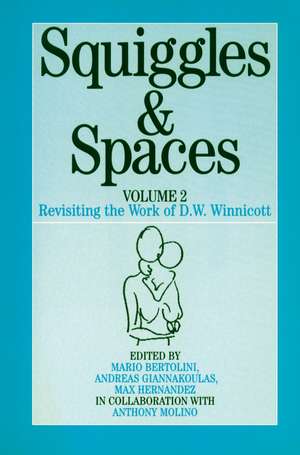
Squiggles and Spaces V 2
Autor Bertolini, Giannakoulas, Hernandezen Limba Engleză Paperback – iul 2001
Preț: 473.40 lei
Preț vechi: 614.81 lei
-23%
Puncte Express: 710
Carte tipărită la comandă
Livrare economică 21 noiembrie-05 decembrie
Livrare prin curier în România Termenul estimat este afișat lângă disponibilitate.
Transport gratuit pentru acest produs Plată online sau ramburs, în funcție de opțiunile comenzii.
Retur gratuit în 14 zile Comandă securizată și suport în română.
Specificații
ISBN-13: 9781861562784
ISBN-10: 1861562780
Pagini: 284
Dimensiuni: 152 x 229 x 15 mm
Greutate: 0.42 kg
Ediția:Volume 2
Editura: Wiley
Locul publicării:Chichester, United Kingdom
ISBN-10: 1861562780
Pagini: 284
Dimensiuni: 152 x 229 x 15 mm
Greutate: 0.42 kg
Ediția:Volume 2
Editura: Wiley
Locul publicării:Chichester, United Kingdom
V-ar putea interesa
-
 The Examined LifeStephen Grosz-37%Preț: 57.99 lei92.46 lei
 -
 SybilFlora SchreiberPreț: 92.61 lei
 -
 The Examined LifeStephen GroszPreț: 87.48 lei
 -
 The New Dictionary of Kleinian ThoughtElizabeth Bott SpilliusPreț: 436.79 lei
 -
 Psychoanalysis in the Technoculture EraAlessandra LemmaPreț: 430.08 lei
 -
 -27%Preț: 1755.59 lei2404.91 lei
 -
 Freud Scientifically ReappraisedSeymour Fisher-27%Preț: 1047.92 lei1435.50 lei
 -
 Preț: 452.20 lei
 -
 Preț: 363.86 lei
 -
 Literature in the Ashes of HistoryCathy CaruthPreț: 197.19 lei
 -
 Lacan on LoveBruce Fink-5%Preț: 152.89 lei160.94 lei
 -
 The Fundamentals of Psychoanalytic TechniqueR. Horacio Etchegoyen-5%Preț: 573.19 lei603.36 lei
 -
 -23%Preț: 418.95 lei544.09 lei
 -
 Fragile SelfMollon-23%Preț: 512.53 lei665.62 lei
Notă biografică
Mario Bertolini is the editor of Squiggles and Spaces: Revisiting the Work of D. W. Winnicott, Volume 2, published by Wiley. Andreas Giannakoulas is the editor of Squiggles and Spaces: Revisiting the Work of D. W. Winnicott, Volume 2, published by Wiley.
Cuprins
Part 1 - On Babies, Mothers and Fathers. 1. The Interface between Mother and Baby.
2. Self-states and The Maternal Integration Function.
3. reparation in Respect of Mother's Organized Defence Against Depression.
4. What about The Parents?
5. The Father as Function, Environment and Object
Part 2 - Illusion, Creativity and The Self.
6. Illusion and Reality in The Work of D. W. Winnicott.
7. Interminable Illusion.
8. Psychotherapy and The Squiggle Game, a sophisticated Game of Hide-and-seek.
9. The Parent-child Relationship in Italian renaissance Painting
Part 3 - Winnicott and Clinical Theory a) Trauma and psychosis.
10. Cumulative Trauma, When all Does not go Well in The Everyday Life of The Infant.
11. Psychosis and The Transitional Area, a Clinical Case Study b) empathy, Hate and Countertransference.
12. A Clinical Approach to Empathy.
13. The 'kind-hearted' Versus The Good Analyst, Empathy and Hatred in countertransference c) Acting-out.
14. Antisocial Acting-out as a Substitute for the Spontaneous Gesture in Adolescence.
15. Antisocial Acting-out as a Defence against Breakdown.
Part 4 - Winnicott and The Treatment of Psychosomatic patients.
16. Winnicott and The Psyche-soma.
17. Primary Maternal Preoccupation, pregnancy and Child-rearing.
18. From The Aesthetics of External Objects to The quality of Internal Objects, on The Diagnosis of Alopecia in Childhood and adolescence.
19. Psychosomatics in Jung and Winnicott.
20. Interrupted Stories.
Part 5 - Potential Spaces, Winnicott in The World of Psychoanalysis.
21. Winnicott and ferenczi, Trauma and The Maternal Analyst.
22. A Comparison of The Thought and work of Dinald Winnicott and Michale Balint.
23. The Influence of Winnicott on the Evolution of Frances Tustin's Thinking.
24. C. G. Jung's Memories, Dreams, reflections, Notes on The Review.
25. Winnicott and Bion, on Some Uncanny affinities.
Part 6 - Appendix, Commentaries and Discussions.
26. Reflections on nina Farhi's 'psychotherapy and The Squiggle Game'.
27. With Downcast Eyes.
28. Empathy, Love or Skill?
29. A Discussion of Bernard Barnett's Comparison of D. W. Winnicott and Michael Balint.
30. Between C. G. Jung and D. W. Winnicott references.
2. Self-states and The Maternal Integration Function.
3. reparation in Respect of Mother's Organized Defence Against Depression.
4. What about The Parents?
5. The Father as Function, Environment and Object
Part 2 - Illusion, Creativity and The Self.
6. Illusion and Reality in The Work of D. W. Winnicott.
7. Interminable Illusion.
8. Psychotherapy and The Squiggle Game, a sophisticated Game of Hide-and-seek.
9. The Parent-child Relationship in Italian renaissance Painting
Part 3 - Winnicott and Clinical Theory a) Trauma and psychosis.
10. Cumulative Trauma, When all Does not go Well in The Everyday Life of The Infant.
11. Psychosis and The Transitional Area, a Clinical Case Study b) empathy, Hate and Countertransference.
12. A Clinical Approach to Empathy.
13. The 'kind-hearted' Versus The Good Analyst, Empathy and Hatred in countertransference c) Acting-out.
14. Antisocial Acting-out as a Substitute for the Spontaneous Gesture in Adolescence.
15. Antisocial Acting-out as a Defence against Breakdown.
Part 4 - Winnicott and The Treatment of Psychosomatic patients.
16. Winnicott and The Psyche-soma.
17. Primary Maternal Preoccupation, pregnancy and Child-rearing.
18. From The Aesthetics of External Objects to The quality of Internal Objects, on The Diagnosis of Alopecia in Childhood and adolescence.
19. Psychosomatics in Jung and Winnicott.
20. Interrupted Stories.
Part 5 - Potential Spaces, Winnicott in The World of Psychoanalysis.
21. Winnicott and ferenczi, Trauma and The Maternal Analyst.
22. A Comparison of The Thought and work of Dinald Winnicott and Michale Balint.
23. The Influence of Winnicott on the Evolution of Frances Tustin's Thinking.
24. C. G. Jung's Memories, Dreams, reflections, Notes on The Review.
25. Winnicott and Bion, on Some Uncanny affinities.
Part 6 - Appendix, Commentaries and Discussions.
26. Reflections on nina Farhi's 'psychotherapy and The Squiggle Game'.
27. With Downcast Eyes.
28. Empathy, Love or Skill?
29. A Discussion of Bernard Barnett's Comparison of D. W. Winnicott and Michael Balint.
30. Between C. G. Jung and D. W. Winnicott references.
Descriere
Written to celebrate the 25th anniversary of the publication of D W.