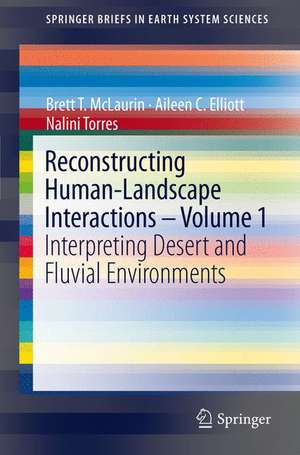
Reconstructing Human-Landscape Interactions - Volume 1: SpringerBriefs in Earth System Sciences
Autor Brett T. McLaurin, Aileen C. Elliott, Nalini Torresen Limba Engleză Paperback – 5 ian 2012
Din seria SpringerBriefs in Earth System Sciences
-
 Preț: 366.12 lei
 -
 Preț: 338.67 lei
 -
 Preț: 367.47 lei
 -
 Preț: 364.51 lei
 -
 Preț: 364.81 lei
 -
 Preț: 367.68 lei
 -
 Preț: 152.27 lei
 -
 Preț: 206.84 lei
 -
 Preț: 365.06 lei
 -
 Preț: 366.24 lei
 -
 Preț: 250.33 lei
 -
 Preț: 363.64 lei
 -
 Preț: 365.51 lei
 -
 Preț: 365.09 lei
 -
 Preț: 367.42 lei
 -
 Preț: 366.74 lei
 -
 Preț: 368.16 lei
 -
 Preț: 205.95 lei
 -
 Preț: 385.34 lei
 -
 Preț: 354.63 lei
 -
 Preț: 361.37 lei
 -
 Preț: 364.31 lei
 -
 Preț: 363.64 lei
 -
 Preț: 365.31 lei
 -
 Preț: 374.18 lei
 -
 Preț: 364.57 lei
 -
 Preț: 362.88 lei
 -
 Preț: 363.87 lei
 -
 Preț: 367.42 lei
 -
 Preț: 363.61 lei
 -
 Preț: 427.43 lei
 -
 Preț: 383.65 lei
 -
 Preț: 364.31 lei
 -
 Preț: 366.49 lei
 -
 Preț: 367.42 lei
 -
 Preț: 364.57 lei
 -
 Preț: 366.24 lei
 -
 Preț: 365.06 lei
 -
 Preț: 365.51 lei
 -
 Preț: 330.13 lei
 -
 Preț: 361.70 lei
 -
 Preț: 366.24 lei
 -
 Preț: 394.42 lei
 -
 Preț: 365.99 lei
 -
 Preț: 397.19 lei
 -
 Preț: 365.06 lei
 -
 Preț: 365.51 lei
 -
 Preț: 366.94 lei
 -
 Preț: 362.88 lei
Preț: 362.40 lei
Puncte Express: 544
Carte tipărită la comandă
Livrare economică 29 mai-12 iunie
Specificații
ISBN-13: 9783642237584
ISBN-10: 3642237584
Pagini: 64
Ilustrații: VIII, 55 p. 30 illus., 6 illus. in color.
Dimensiuni: 155 x 235 x 4 mm
Greutate: 0.11 kg
Ediția:2012
Editura: Springer
Colecția SpringerBriefs in Earth System Sciences
Seria SpringerBriefs in Earth System Sciences
Locul publicării:Berlin, Heidelberg, Germany
ISBN-10: 3642237584
Pagini: 64
Ilustrații: VIII, 55 p. 30 illus., 6 illus. in color.
Dimensiuni: 155 x 235 x 4 mm
Greutate: 0.11 kg
Ediția:2012
Editura: Springer
Colecția SpringerBriefs in Earth System Sciences
Seria SpringerBriefs in Earth System Sciences
Locul publicării:Berlin, Heidelberg, Germany
V-ar putea interesa
-
 The Power of Feasts: From Prehistory to the PresentBrian HaydenPreț: 293.77 lei
 -
 Tracking the Neolithic House in EuropeDaniela HofmannPreț: 383.47 lei
 -
 Preț: 323.57 lei
 -
 Human Environment Interactions - Volume 2Michelle GomanPreț: 365.51 lei
Public țintă
ResearchCuprins
Foreword by Michelle Goman.- Genesis of an artifact layer at the La Playa archaeological site, Sonora, Mexico.- Quaternary stratigraphy of the La Playa archaeological site, Northern Sonora, Mexico.- The Red River raft and its sedimentological implications.
Textul de pe ultima copertă
The Holocene is unique when compared to earlier geological time in that humans begin to alter and manipulate the natural environment to their own needs. Domestication of crops and animals and the resultant intensification of agriculture lead to profound changes in the impact humans have on the environment. Conversely, as human populations began to increase geologic and climatic factors begin to have a greater impact on civilizations. To understand and reconstruct the complex interplay between humans and the environment over the past ten thousand years requires examination of multiple differing but interconnected aspects of the environment and involves geomorphology, paleoecology, geoarchaeology and paleoclimatology. These Springer Briefs volumes examine the dynamic interplay between humans and the natural environment as reconstructed by the many and varied sub-fields of the Earth Sciences.
Caracteristici
Cutting edge research in the field of human environment interactions Broad geographic appeal Includes supplementary material: sn.pub/extras