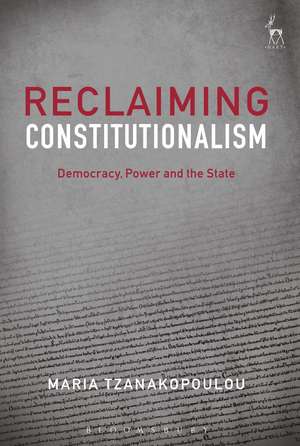
Reclaiming Constitutionalism: Democracy, Power and the State
Autor Dr Maria Tzanakopoulouen Limba Engleză Hardback – 22 feb 2018
Preț: 569.19 lei
Preț vechi: 831.65 lei
-32%
Puncte Express: 854
Carte tipărită la comandă
Livrare economică 07-21 decembrie
Livrare prin curier în România Termenul estimat este afișat lângă disponibilitate.
Transport gratuit pentru acest produs Plată online sau ramburs, în funcție de opțiunile comenzii.
Retur gratuit în 14 zile Comandă securizată și suport în română.
Specificații
ISBN-13: 9781509916122
ISBN-10: 1509916121
Pagini: 232
Dimensiuni: 156 x 234 mm
Greutate: 0.57 kg
Editura: Bloomsbury Publishing
Colecția Hart Publishing
Locul publicării:London, United Kingdom
ISBN-10: 1509916121
Pagini: 232
Dimensiuni: 156 x 234 mm
Greutate: 0.57 kg
Editura: Bloomsbury Publishing
Colecția Hart Publishing
Locul publicării:London, United Kingdom
V-ar putea interesa
-
 Process and Procedure in EU AdministrationCarol Harlow KC-21%Preț: 391.32 lei493.31 lei
 -
 Beyond Magna Carta: A Constitution for the United KingdomDr Andrew Blick-34%Preț: 420.49 lei639.54 lei
 -
 -31%Preț: 604.10 lei881.24 lei
 -
 -30%Preț: 510.11 lei724.63 lei
 -
 -27%Preț: 679.69 lei932.68 lei
 -
 -35%Preț: 409.09 lei628.17 lei
 -
 Constitutional Review in Europe: A Comparative AnalysisDr Maartje De Visser-23%Preț: 288.50 lei375.16 lei
 -
 -23%Preț: 235.01 lei306.97 lei
Cuprins
PART I: Constitutions and Constitutionalism: The Legal, the Political, the Citizen and the Status quo
Introduction of Part I
1. The Roots of Law, the Roots of Constitutionalism
I. The Foundation of Law: Politics and Social Conflict as Roots of the 'Legal'
II. Constitutionalism in Modernity: The Social and Historical Juncture
2. The Telos of Modern Constitutionalism
I. Constitutionalism in Modernity
II. Constitutionalism, Ideology and the Politics of Consensus
Conclusion of Part I: The Question of the Nation State
PART II: The Constitutional Failure of Europe: Citizenship, Democracy and Consensus
Introduction of Part II
3. The Dialectics of Citizenship: Europe as a Citizenship-Capable Entity
I. The No-Demos Thesis
II. The Nation, the State and Europe
III. Citizenship and Community: Citizenship as a Dynamic Concept
IV. Political Citizenship: Citizenship as a Dynamic Process
V. Social Citizenship and Equality
4. What Kind of European Citizenship?
I. European Citizenship in Practice
II. The European Public Space
III. Deliberative Europe
Conclusion of Part II: European Citizenship Revisited
PART III: Global Governance: Discourse and Truth, Power and Resistance
Introduction of Part III
5. Global Governance as Discourse-Global Governance as Truth
I. Truth and Discourse: An Invented Dilemma
II. Global Governance Discourse
6. Foucault and Power: Global Governance beyond Discourse
I. Global Governance beyond Discourse: The Terms of the New Paradigm
II. An Introduction to the Discussion on Power
III. Foucault and the Function of Power
IV. A Positive Reflection on Global Governance: The Example of the Problematics of Global Poverty
V. The Possibility for Resistance at the Global Level
7. The Unviability of Global Citizenship: Looking into the Deeds of Global Civil Society
I. Global Civil Society: Back to the Dialectics of Citizenship
II. The Prospects of Global Citizenship
Conclusion of Part III
PART IV: The Foundation of Power: Bringing Constitutionalism back to the State Introduction of Part IV
8. The Capitalist Mode of Production: The Economic Relation as the Primary Relation of the Nation State
I. The Mode of Production in Marxist Thought
II. The Detachment of the Capitalist Mode of Production from the Nation State: An Implausible Suggestion
9. State, Ideology and the Class Struggle
I. State and the Economy: A Dialectical Relationship
II. The Intervention of Ideological State Apparatuses in the Economic Relation
III. The Foundation of Power: The State is Permeated by Class Struggle
IV. Power as a Relation and State as its Primary Locus-the Role and Symbolisms of the National Constitution
Conclusion of Part IV: Revisiting State Constitutionalism
Conclusion: State, Power, Constitutionalism
Introduction of Part I
1. The Roots of Law, the Roots of Constitutionalism
I. The Foundation of Law: Politics and Social Conflict as Roots of the 'Legal'
II. Constitutionalism in Modernity: The Social and Historical Juncture
2. The Telos of Modern Constitutionalism
I. Constitutionalism in Modernity
II. Constitutionalism, Ideology and the Politics of Consensus
Conclusion of Part I: The Question of the Nation State
PART II: The Constitutional Failure of Europe: Citizenship, Democracy and Consensus
Introduction of Part II
3. The Dialectics of Citizenship: Europe as a Citizenship-Capable Entity
I. The No-Demos Thesis
II. The Nation, the State and Europe
III. Citizenship and Community: Citizenship as a Dynamic Concept
IV. Political Citizenship: Citizenship as a Dynamic Process
V. Social Citizenship and Equality
4. What Kind of European Citizenship?
I. European Citizenship in Practice
II. The European Public Space
III. Deliberative Europe
Conclusion of Part II: European Citizenship Revisited
PART III: Global Governance: Discourse and Truth, Power and Resistance
Introduction of Part III
5. Global Governance as Discourse-Global Governance as Truth
I. Truth and Discourse: An Invented Dilemma
II. Global Governance Discourse
6. Foucault and Power: Global Governance beyond Discourse
I. Global Governance beyond Discourse: The Terms of the New Paradigm
II. An Introduction to the Discussion on Power
III. Foucault and the Function of Power
IV. A Positive Reflection on Global Governance: The Example of the Problematics of Global Poverty
V. The Possibility for Resistance at the Global Level
7. The Unviability of Global Citizenship: Looking into the Deeds of Global Civil Society
I. Global Civil Society: Back to the Dialectics of Citizenship
II. The Prospects of Global Citizenship
Conclusion of Part III
PART IV: The Foundation of Power: Bringing Constitutionalism back to the State Introduction of Part IV
8. The Capitalist Mode of Production: The Economic Relation as the Primary Relation of the Nation State
I. The Mode of Production in Marxist Thought
II. The Detachment of the Capitalist Mode of Production from the Nation State: An Implausible Suggestion
9. State, Ideology and the Class Struggle
I. State and the Economy: A Dialectical Relationship
II. The Intervention of Ideological State Apparatuses in the Economic Relation
III. The Foundation of Power: The State is Permeated by Class Struggle
IV. Power as a Relation and State as its Primary Locus-the Role and Symbolisms of the National Constitution
Conclusion of Part IV: Revisiting State Constitutionalism
Conclusion: State, Power, Constitutionalism
Recenzii
The book's contribution to constitutional debates is theoretically ambitious. It transverses Marxist and critical approaches to constitutionalism with EU law, and as such is recommended to everyone interested in European constitutionalism.
Maria Tzanakopoulou's book provides an original contribution to the discussion on the role of sovereign nation-states in a time of increasing extraterritorial challenges and the growing significance of non-state actors in world politics.
Maria Tzanakopoulou's book provides an original contribution to the discussion on the role of sovereign nation-states in a time of increasing extraterritorial challenges and the growing significance of non-state actors in world politics.