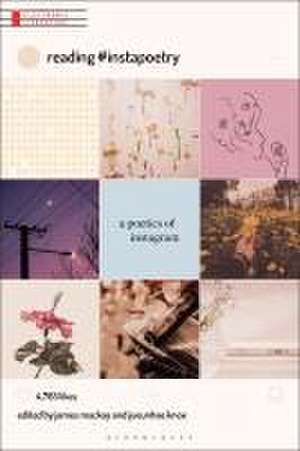
Reading #Instapoetry: A Poetics of Instagram: Electronic Literature
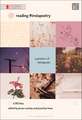
Editat de James MacKay, JuEunhae Knoxen Limba Engleză Hardback – 5 sep 2024
In the 21st century, poetry enjoyed a publishing boom, largely thanks to the rise of a cohort of writers labelled "Instapoets" - named after the Instagram platform where many of them first became famous. The work of these writers has been controversial with other poets and literary critics, who argue that their product is in some way not really poetry: at the same time, Instapoets have reached new audiences, held sold-out readings, and been deeply loved by their fans. In this collection, writers ask how we can approach poems marked by such extreme simplicity. Can we see them as being products of their platform, created to satisfy the algorithm? Might we read their interaction with the digital environment through their hashtags? What importance should we ascribe to the high number of Instapoets from immigrant and other frequently excluded groups? What can we make of the contrast between the capitalist hustle of influencer poetry and the frequent insistence in Instapoetry on the deeply personal? Can Instapoems be generated automatically? What do they tell us about affects of the digital age?
The ebook editions of this book are available open access under a CC BY-NC-ND 4.0 licence onbloomsburycollections.com.
Preț: 596.29 lei
Preț vechi: 926.96 lei
-36%
Puncte Express: 894
Carte tipărită la comandă
Livrare economică 27 noiembrie-11 decembrie
Livrare express 22-28 octombrie pentru 195.56 lei
Livrare prin curier în România Termenul estimat este afișat lângă disponibilitate.
Transport gratuit pentru acest produs Plată online sau ramburs, în funcție de opțiunile comenzii.
Retur gratuit în 14 zile Comandă securizată și suport în română.
Specificații
ISBN-13: 9798765105481
Pagini: 208
Ilustrații: 16 bw illus
Dimensiuni: 152 x 232 x 18 mm
Greutate: 0.48 kg
Editura: Bloomsbury Publishing
Colecția Bloomsbury Academic
Seria Electronic Literature
Locul publicării:New York, United States
Pagini: 208
Ilustrații: 16 bw illus
Dimensiuni: 152 x 232 x 18 mm
Greutate: 0.48 kg
Editura: Bloomsbury Publishing
Colecția Bloomsbury Academic
Seria Electronic Literature
Locul publicării:New York, United States
Cuprins
Acknowledgements
List of Figures
Introduction
JuEunhae Knox (University of Sheffield, UK) and James Mackay (European University, Cyprus)
Chapter 1. E-Lit's #1 Hit: Is Instagram Poetry E-literature?
Kathi Inman Berens (Portland State University, USA)
Chapter 2. #Tagged: Hashing Meaning through Poe(t/m)-tagging
JuEunhae Knox (University of Sheffield, UK)
Chapter 3. Missed Possibilities from Unobtainable Data: The Case of Instapoetry and a Wish to Go Beyond Rupi Kaur
Camilla Holm Soelseth (Oslo Metropolitan University, Norway) and Eleonora Natalia Ravizza (University of Catania, Italy)
Chapter 4. "Poetry is about people seeing themselves": An Interview with Kirsty Melville
James Mackay (European University, Cyprus) and JuEunhae Knox (University of Sheffield, UK)
Chapter 5. Instant Confessions
Yara Gawrieh Ekmark (independent scholar)
Chapter 6. 'Former Contours': Posts, (Post) Pregnancy, and Re/turning to Creative Processes
Laura Tansley (University of Glasgow, UK)
Chapter 7. "The Floodgates Have Been Opened": Instapoetry and the Recentering of Marginalized Poets
Laura Gallon (University of Sussex, UK)
Chapter 8. 'Fat, Fly, Brown Poet': Yesika Salgado, Instapoetry, and Politics in the Undergraduate Classroom
Maria Carla Sanchez (University of North Carolina, Greensboro, USA)
Chapter 9. "Healing is Everyday Work": Instapoetry, Intimate Publics, and the Language of Self-Help
Millicent Lovelock (University of Manchester, UK)
Chapter 10. Poetry-by-Numbers: Machine-Generating Instapoetry
Ryan Prewitt (Saint Louis University, USA) and Max Accardi (independent scholar)
Chapter 11. How to Be a Successful #instapoet: Defying Jean Baudrillard's Hyperreal with Marketing Strategies Based on Hollie McNish
Melissa Sarikaya (Friedrich-Alexander-Universität Erlangen-Nürnberg, Germany)
Chapter 12. Platform Poetics: Instapoetry in the Age of Platformization
Zak Bronson and Warren Steele (University of Western Ontario, Canada)
Chapter 13. What's the Carbon Footprint of an (Insta)Poem?: Reading #poetsofinstagram in the Anthropocene
James Mackay (European University, Cyprus) and Polina Mackay (University of Nicosia, Cyprus)
List of Contributors
Index
List of Figures
Introduction
JuEunhae Knox (University of Sheffield, UK) and James Mackay (European University, Cyprus)
Chapter 1. E-Lit's #1 Hit: Is Instagram Poetry E-literature?
Kathi Inman Berens (Portland State University, USA)
Chapter 2. #Tagged: Hashing Meaning through Poe(t/m)-tagging
JuEunhae Knox (University of Sheffield, UK)
Chapter 3. Missed Possibilities from Unobtainable Data: The Case of Instapoetry and a Wish to Go Beyond Rupi Kaur
Camilla Holm Soelseth (Oslo Metropolitan University, Norway) and Eleonora Natalia Ravizza (University of Catania, Italy)
Chapter 4. "Poetry is about people seeing themselves": An Interview with Kirsty Melville
James Mackay (European University, Cyprus) and JuEunhae Knox (University of Sheffield, UK)
Chapter 5. Instant Confessions
Yara Gawrieh Ekmark (independent scholar)
Chapter 6. 'Former Contours': Posts, (Post) Pregnancy, and Re/turning to Creative Processes
Laura Tansley (University of Glasgow, UK)
Chapter 7. "The Floodgates Have Been Opened": Instapoetry and the Recentering of Marginalized Poets
Laura Gallon (University of Sussex, UK)
Chapter 8. 'Fat, Fly, Brown Poet': Yesika Salgado, Instapoetry, and Politics in the Undergraduate Classroom
Maria Carla Sanchez (University of North Carolina, Greensboro, USA)
Chapter 9. "Healing is Everyday Work": Instapoetry, Intimate Publics, and the Language of Self-Help
Millicent Lovelock (University of Manchester, UK)
Chapter 10. Poetry-by-Numbers: Machine-Generating Instapoetry
Ryan Prewitt (Saint Louis University, USA) and Max Accardi (independent scholar)
Chapter 11. How to Be a Successful #instapoet: Defying Jean Baudrillard's Hyperreal with Marketing Strategies Based on Hollie McNish
Melissa Sarikaya (Friedrich-Alexander-Universität Erlangen-Nürnberg, Germany)
Chapter 12. Platform Poetics: Instapoetry in the Age of Platformization
Zak Bronson and Warren Steele (University of Western Ontario, Canada)
Chapter 13. What's the Carbon Footprint of an (Insta)Poem?: Reading #poetsofinstagram in the Anthropocene
James Mackay (European University, Cyprus) and Polina Mackay (University of Nicosia, Cyprus)
List of Contributors
Index
Recenzii
Reading #Instapoetry attends to the complex developments of Instapoetry and the Instapoet, highlighting the cultural significance of the genre, as well as the aesthetic, political, and consumerist difficulties it presents. This edited collection is a timely examination of a phenomenon that is notoriously slippery, caught in the machinations of celebrity, social media, and publishing. Instapoetry is marked by the demands of the algorithm and the wildly diverging responses of critics and readers; as the collection makes clear, it thus offers unsettling and contested spaces, as it speaks to the anxieties of literary culture, to questions about craft, originality and the author, and to ongoing debates about identity, particularly in relation to ethics, the commodification of the personal, and the marketing of marginalized voices. Reading #Instapoetry captures these central concerns of the genre and more; it is a remarkable scholarly contribution to understanding such an intriguing and subversive poetic form.
Reading #Instapoetry offers an appraisal of this vastly popular poetry and is relevant to many concerns in modern literary studies. The articles approach the poetry from many directions, some critical and some strongly endorsing the practice, and include historical, sociological, and technological accounts, digital humanities methods, and the contributions of poets and one of the major print publishers. This comprehensive account will play an important role in the teaching of poetry.
Reading #Instapoetry offers an appraisal of this vastly popular poetry and is relevant to many concerns in modern literary studies. The articles approach the poetry from many directions, some critical and some strongly endorsing the practice, and include historical, sociological, and technological accounts, digital humanities methods, and the contributions of poets and one of the major print publishers. This comprehensive account will play an important role in the teaching of poetry.