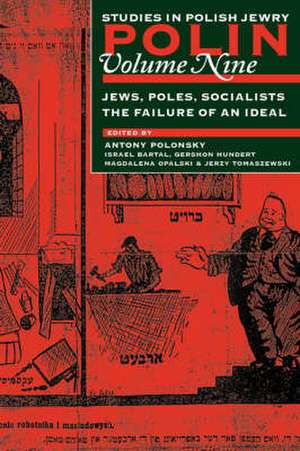
Polin
Editat de Polonskyen Limba Engleză Paperback – 12 iul 2024
Observăm în volumul Polin o schimbare necesară de paradigmă în studiile iudaice: trecerea de la imaginea idilică, pur literară, a „shtetl”-ului către o analiză istorică riguroasă. Deși memoria colectivă plasează evreimea poloneză în marile centre urbane, datele de arhivă ne amintesc că, până în 1931, majoritatea populației locuia în aceste târguri mici. Aplicabilitatea practică a acestui volum rezidă în capacitatea sa de a deconstrui mituri prin studii de caz concrete, oferind cercetătorilor instrumente pentru a înțelege dinamica socială reală dintre comunitățile evreiești și vecinii lor polonezi. Subliniem complexitatea structurii acestui volum, care nu se limitează la o singură epocă. Editorul Antony Polonsky integrează analize despre cucerirea hasidică a vieții din shtetl, dar și capitole sumbre despre perioada ocupației naziste, cum ar fi studiile dedicate lagărului Gesiwka. Această lucrare completează perspectiva oferită de The Shtetl – New Evaluations de Steven T. Katz, adăugând o dimensiune politică și administrativă specifică sub dominația rusă și sovietică, pe care studiile pur sociologice o omit adesea. În contextul operei lui Antony Polonsky, acest volum continuă efortul monumental început în The Jews in Poland and Russia, însă aici focalizarea se îngustează de la macro-istorie la micro-istoria comunităților rurale. Tonul este unul academic, precis, evitând nostalgia în favoarea faptului documentat, ceea ce face din acest titlu o resursă indispensabilă pentru înțelegerea rădăcinilor identității evreiești din Europa de Est.
Preț: 359.91 lei
Carte tipărită la comandă
Livrare economică 01-15 iunie
Specificații
ISBN-10: 1904113818
Pagini: 370
Dimensiuni: 159 x 240 x 23 mm
Greutate: 0.53 kg
Editura: Liverpool University Press
Locul publicării:United Kingdom
V-ar putea interesa
-
 -28%Preț: 75.04 lei104.67 lei
 -
 On Modern Jewish PoliticsEzra Mendelsohn-10%Preț: 271.46 lei302.08 lei
 -
 -33%Preț: 551.94 lei828.28 lei
 -
 -14%Preț: 595.33 lei692.24 lei
 -
 -39%Preț: 174.45 lei284.17 lei
 -
 Genocide Denials and the LawLudovic Hennebel-9%Preț: 709.03 lei775.90 lei
 -
 -6%Preț: 520.60 lei555.56 lei
 -
 -14%Preț: 519.14 lei603.65 lei
 -
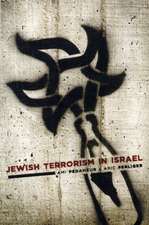 Jewish Terrorism in IsraelAmi PedahzurPreț: 227.47 lei
 -
 David FranksMark Abbott SternPreț: 232.29 lei
 -
 Preț: 301.48 lei
 -
 -15%Preț: 438.52 lei515.91 lei
 -
 Muscular Judaism: The Jewish Body and the Politics of RegenerationTodd Samuel PresnerPreț: 443.94 lei
 -
 The Jewish-Chinese Nexus: A Meeting of CivilizationsM. Avrum EhrlichPreț: 445.24 lei
 -
 A Short History of the JewsMichael BrennerPreț: 154.71 lei
 -
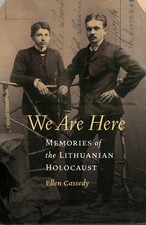 We Are Here: Memories of the Lithuanian HolocaustEllen CassedyPreț: 106.17 lei
 -
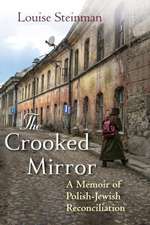 The Crooked Mirror: A Memoir of Polish-Jewish ReconciliationLouise SteinmanPreț: 113.08 lei
 -
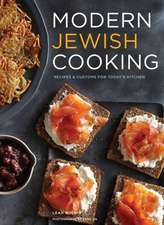 Modern Jewish CookingLeah KoenigPreț: 230.57 lei
 -
 -18%Preț: 147.59 lei180.53 lei
 -
 Herzl: Theodor Herzl and the Foundation of the Jewish StateShlomo Avineri-27%Preț: 55.62 lei75.98 lei
 -
 Jews at Home – The Domestication of IdentitySimon J. BronnerPreț: 351.47 lei
 -
 Jewish Women in Enlightenment BerlinNatalie Naimark–goldber-23%Preț: 440.91 lei572.62 lei
 -
 Poverty and Welfare Among the Portuguese Jews in Early Modern AmsterdamTirtsah Levie Bernfeld-19%Preț: 577.01 lei712.36 lei
 -
 PolinAntony PolonskyPreț: 325.01 lei
 -
 Collected Essays – Volume IHaym Soloveitchik-23%Preț: 410.90 lei533.63 lei
 -
 Toleration within JudaismMartin Goodman-23%Preț: 439.50 lei570.78 lei
 -
 -18%Preț: 167.34 lei202.92 lei
De ce să citești această carte
Recomandăm acest volum istoricilor și studenților interesați de iudaism și istoria Europei Centrale. Cititorul câștigă o înțelegere profundă a „shtetl”-ului, dincolo de reprezentările artistice, prin analize despre relații inter-religioase, evoluție culturală și impactul regimurilor totalitare. Este o lectură esențială pentru a înțelege cum au supraviețuit și s-au transformat comunitățile evreiești într-un peisaj politic adesea ostil.
Despre autor
Antony Polonsky este profesor emerit (Walter Stern Hilborn) de studii iudaice și sociale la Universitatea Brandeis. Este o autoritate recunoscută la nivel mondial în istoria evreilor din Polonia și Rusia, fiind editorul fondator al seriei Polin: Studies in Polish Jewry. Expertiza sa acoperă o gamă vastă, de la istoria educației și a instituțiilor de caritate, până la analize complexe despre Holocaust. Opera sa a fost fundamentală în redeschiderea dialogului academic despre prezența evreiască în Europa de Est, fiind premiat de numeroase instituții pentru rigoarea cercetării sale documentare.