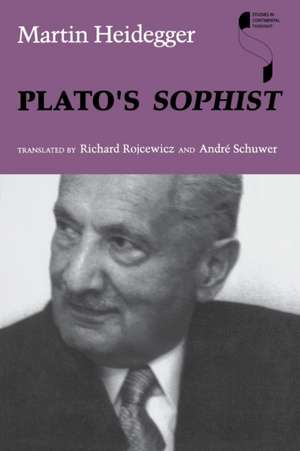
Plato's Sophist: Indiana University Press (IPS)
Autor Martin Heidegger, Richard Polt Editat de John Sallisen Limba Engleză Paperback – iun 2003
Subliniem aplicabilitatea acestui volum în studiul ontologiei fundamentale, oferind o perspectivă rară asupra modului în care Martin Heidegger și-a rafinat conceptele înainte de publicarea celebrei sale lucrări Ființă și Timp. Notăm cu interes structura acestui curs de la Marburg (1924-1925), unde autorul nu se limitează la o exegeză clasică a dialogului Plato's Sophist, ci alege o cale hermeneutică surprinzătoare: interpretarea lui Platon prin intermediul lui Aristotel. Prima parte a volumului este dedicată unui comentariu extins asupra Cărții a VI-a din Etica Nicomahică, stabilind astfel un fundament riguros pentru analiza raportului dintre ființă și neființă. Reținem că această ediție, publicată de Indiana University Press, păstrează rigoarea interpretării rând cu rând, oferind cititorului acces la laboratorul de gândire heideggerian unde problematica ontologică greacă devine puntea către fenomenologia modernă. Lucrarea completează perspectiva oferită de Basic Concepts of Aristotelian Philosophy, adăugând o analiză focalizată pe dialogul platonic târziu, spre deosebire de celălalt curs care se concentrează pe Retorica lui Aristotel și pe conceptul de pathos. De asemenea, spre deosebire de volumul colectiv Plato's "Sophist" Revisited, care propune o serie de perspective diverse și critice asupra dialogului, textul de față oferă o viziune unitară, sistematică, specifică perioadei de formare a sistemului heideggerian. Este un instrument de lucru indispensabil pentru înțelegerea rădăcinilor criticii metafizicii occidentale, fiind un document istoric și filozofic de o importanță intrinsecă pentru istoria filozofiei antice.
Din seria Indiana University Press (IPS)
-
 Preț: 269.11 lei
 -
 Preț: 131.48 lei
 -
 Preț: 244.60 lei
 -
 Preț: 156.55 lei
 -
 Preț: 287.76 lei
 -
 Preț: 172.46 lei
 -
 Preț: 158.71 lei
 -
 Preț: 158.26 lei
 -
 Preț: 352.15 lei
 -
 Preț: 228.33 lei
 -
 Preț: 163.74 lei
 -
 Preț: 303.68 lei
 -
 Preț: 181.47 lei
 -
 Preț: 162.16 lei
 -
 Preț: 279.86 lei
 -
 Preț: 321.10 lei
 -
 Preț: 152.79 lei
 - 20%
 Preț: 169.15 lei
 -
 Preț: 155.49 lei
 -
 Preț: 171.01 lei
 -
 Preț: 185.47 lei
 -
 Preț: 208.89 lei
 -
 Preț: 238.94 lei
 -
 Preț: 281.65 lei
 -
 Preț: 184.13 lei
 -
 Preț: 470.93 lei
 -
 Preț: 170.63 lei
 -
 Preț: 196.25 lei
 -
 Preț: 379.13 lei
 -
 Preț: 265.67 lei
 -
 Preț: 212.15 lei
 -
 Preț: 123.35 lei
 -
 Preț: 306.52 lei
 -
 Preț: 395.64 lei
 -
 Preț: 199.73 lei
 -
 Preț: 134.44 lei
 -
 Preț: 249.81 lei
 -
 Preț: 180.53 lei
 -
 Preț: 262.89 lei
 -
 Preț: 194.06 lei
 -
 Preț: 180.31 lei
 -
 Preț: 196.33 lei
 -
 Preț: 233.90 lei
 -
 Preț: 208.32 lei
 -
 Preț: 293.43 lei
 -
 Preț: 195.48 lei
 -
 Preț: 160.05 lei
 -
 Preț: 195.68 lei
 -
 Preț: 104.43 lei
 -
 Preț: 175.36 lei
Preț: 237.51 lei
Carte disponibilă
Livrare economică 18 noiembrie-02 decembrie
Livrare express 03-07 noiembrie pentru 47.52 lei
Specificații
ISBN-10: 025321629X
Pagini: 508
Ilustrații: black & white illustrations
Dimensiuni: 162 x 234 x 29 mm
Greutate: 0.71 kg
Ediția:Indiana Univ PR.
Editura: Indiana University Press
Colecția Indiana University Press (IPS)
Seria Indiana University Press (IPS)
V-ar putea interesa
-
 On the Way to LanguageMartin HeideggerPreț: 112.40 lei
 -
 -19%Preț: 318.60 lei394.32 lei
 -
 -13%Preț: 210.76 lei242.91 lei
 -
 Phenomenology in AnthropologyKalpana RamPreț: 235.50 lei
 -
 Preț: 212.68 lei
 -
 The Question of SacrificeDennis King KeenanPreț: 199.16 lei
 -
 The World at a GlanceEdward S. CaseyPreț: 276.75 lei
 -
 Preț: 209.90 lei
 -
 Preț: 140.09 lei
 -
 Time in Feminist PhenomenologyChristina SchüesPreț: 189.83 lei
 -
 Kant and the Subject of CritiqueAvery GoldmanPreț: 176.45 lei
 -
 Preț: 191.67 lei
 -
 Preț: 298.15 lei
 -
 On the Truth of Being – Reflections on Heidegger`s Later PhilosophyJoseph J. KockelmansPreț: 311.30 lei
 -
 Preț: 373.88 lei
 -
 Critical HeideggerChristopher MacannPreț: 415.12 lei
 -
 Temporality and TrinityPeter ManchesterPreț: 387.02 lei
 -
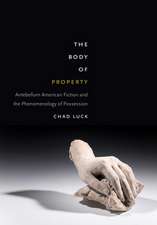 The Body of PropertyChad LuckPreț: 239.07 lei
 -
 HeraclitusMartin Heidegger-44%Preț: 138.33 lei245.72 lei
 -
 God and Human FreedomTony Kim-23%Preț: 497.61 lei646.25 lei
 -
 -8%Preț: 503.52 lei547.31 lei
 -
 Wittgenstein on Thinking, Learning and TeachingPatrick Quinn-23%Preț: 441.27 lei573.07 lei
 -
 -23%Preț: 460.36 lei597.87 lei
 -
 Preț: 396.99 lei
 -
 Gesamtausgabe Abt. 1 Veröffentlichte Schriften Bd. 2. Sein und ZeitMartin HeideggerPreț: 239.92 lei
 -
 Beyond WordsKristóf Nyíri-23%Preț: 482.36 lei626.45 lei
De ce să citești această carte
Recomandăm acest volum cercetătorilor și studenților la filozofie care doresc să înțeleagă geneza gândirii lui Heidegger. Cititorul câștigă o perspectivă profundă asupra modului în care filozofia antică greacă a fost deconstruită și reasimilată în secolul XX. Este o resursă academică esențială pentru oricine studiază legătura dintre Aristotel, Platon și bazele ontologiei fenomenologice.