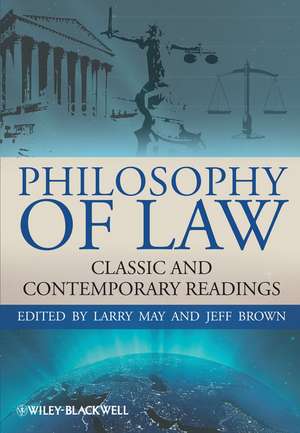
Philosophy Law
Autor Mayen Limba Engleză Hardback – 8 mai 2009
Preț: 853.81 lei
Preț vechi: 1169.61 lei
-27%
Puncte Express: 1281
Carte tipărită la comandă
Livrare economică 19 noiembrie-03 decembrie
Livrare prin curier în România Termenul estimat este afișat lângă disponibilitate.
Transport gratuit pentru acest produs Plată online sau ramburs, în funcție de opțiunile comenzii.
Retur gratuit în 14 zile Comandă securizată și suport în română.
Specificații
ISBN-13: 9781405183888
ISBN-10: 1405183888
Pagini: 648
Dimensiuni: 175 x 250 x 39 mm
Greutate: 1.28 kg
Editura: Wiley
Locul publicării:Chichester, United Kingdom
ISBN-10: 1405183888
Pagini: 648
Dimensiuni: 175 x 250 x 39 mm
Greutate: 1.28 kg
Editura: Wiley
Locul publicării:Chichester, United Kingdom
Public țintă
Undergraduates and early graduate students studying philosophy of law/jurisprudenceNotă biografică
Writing has been Tam May's voice since the age of fourteen. She writes stories about powerful women set in the past. Her fiction gives readers a sense of justice for women, both the living and the dead. Tam's stories are set mostly around the Bay Area because she adores sourdough bread, Ghirardelli chocolate, and San Francisco history.Tam is the author of the Adele Gossling Mysteries which take place in the early 20th century and features sassy suffragist and epistolary expert Adele Gossling whose talent for solving crimes doesn't sit well with the ideas of some people around her about women's place. Tam has also written historical fiction about women breaking loose from the confinements of their era.Although Tam left her heart in San Francisco, she lives in the Midwest because it's cheaper. When she's not writing, she's devouring everything classic (books, films, art, music) and concocting yummy vegan dishes.For more information about Tam May and her books, check out her website at www.tammayauthor.com.
Cuprins
Preface. Source Acknowledgments.
Introduction.
Part I: Legal Reasoning.
Introduction.
1. An Introduction to Legal Reasoning (Edward H. Levi).
2. Remarks on the Theory of Appellate Decision and the Rules or Canons about how Statutes are to be Construed (Karl N. Llewellyn).
3. Formalism (Frederick Schauer).
4. Incompletely Theorized Agreements (Cass R. Sunstein).
5. Custom, Opinio Juris, and Consent (Larry May).
6. Lochner v. New York (1905).
Part II: Jurisprudence.
Introduction.
7. The Concept of Law (H. L. A. Hart).
8. The Model of Rules I (Ronald Dworkin).
9. Law as Justice (Michael S. Moore).
10. The Economic Approach to Law (Richard A. Posner).
11. The Distinction between Adjudication and Legislation (Duncan Kennedy).
12. Critical Race Theory: The Key Writings that Formed the Movement (Kimberlé Crenshaw, Neil Gotanda, Gary Peller, Kendall Thomas).
13. Feminist Legal Critics: The Reluctant Radicals (Patricia Smith).
14. Riggs v. Palmer (1889).
Part III: International Law.
Introduction.
15. International Law (H. L. A. Hart).
16. The Nature of Jus Cogens (Mark W. Janis).
17. A Philosophy of International Law (Fernando R. Tesón).
18. The Limits of International Law (Jack L. Goldsmith, Eric A. Posner).
19. The Internal Legitimacy of Humanitarian Intervention (Allen Buchanan).
20. Humanitarian Intervention: Problems of Collective Responsibility (Larry May).
21. Humanitarian Intervention: Some Doubts (Burleigh Wilkins).
22. Prosecutor v. Tadi¿ (1995).
Part IV: Property.
Introduction.
23. Of Property (John Locke).
24. Locke's Theory of Acquisition (Robert Nozick).
25. Property, Title, and Redistribution (A. M. Honoré).
26. Philosophical Implications (Richard A. Epstein).
27. The Social Structure of Japanese Intellectual Property Law (Dan Rosen, Chikako Usui).
28. Historical Rights and Fair Shares (A. John Simmons).
29. International News Service v. Associated Press (1918).
Part V: Torts.
Introduction.
30. Causation and Responsibility (H. L. A. Hart, A. M. Honoré).
31. Sua Culpa (Joel Feinberg).
32. Fairness and Utility in Tort Theory (George P. Fletcher).
33. Tort Liability and the Limits of Corrective Justice (Jules L. Coleman).
34. A Theory of Strict Liability (Richard A. Epstein).
35. The Question of a Duty to Rescue in Canadian Tort Law: An Answer From France (Mitchell McInnes).
36. Tarasoff v. Regents of University of California (1976).
Part VI: Criminal Law.
Introduction.
37. On Liberty (John Stuart Mill).
38. The Enforcement of Morals (Patrick Devlin).
39. Crime and Punishment: An Indigenous African Experience (Egbeke Aja).
40. The Mind and the Deed (Anthony Kenny).
41. Between Impunity and Show Trials (Martti Koskenniemi).
42. Atrocity, Punishment, and International Law (Mark Drumbl).
43. Defending International Criminal Trials (Larry May).
44. Opening Statement before the International Military Tribunal (1945) (Justice Robert H. Jackson).
Part VII: Contracts.
Introduction.
45. Of the First and Second Natural Laws, and of Contracts (Thomas Hobbes).
46. The Practice of Promising (P. S. Atiyah).
47. Contract as Promise (Charles Fried).
48. Legally Enforceable Commitments (Michael D. Bayles).
49. Unconscionability and Contracts (Alan Wertheimer).
50. South African Contract Law: The Need for a Concept of Unconscionability (Lynn Berat).
51. Williams v. Walker-Thomas Furniture Co. (1965).
Part VIII: Constitutional Law.
Introduction.
52. Constitutional Cases (Ronald Dworkin).
53. Does the Constitution Mean What It Always Meant? (Stephen R. Munzer, James W. Nickel).
54. What's Wrong with Chinese Rights? Toward a Theory of Rights with Chinese Characteristics (R. P. Peerenboom).
55. Poverty and Constitutional Justice: The Indian Experience ( Jeremy Cooper).
56. Natural Law: Alive and Kicking? A Look at the Constitutional Morality of Sexual Privacy in Ireland (Rory O'Connell).
57. Peremptory Norms as International Public Order (Alexander Orakhelashvili).
58. The Gender of Jus Cogens (Hilary Charlesworth and Christine Chinkin).
59. Plessy v. Ferguson (1892).
Introduction.
Part I: Legal Reasoning.
Introduction.
1. An Introduction to Legal Reasoning (Edward H. Levi).
2. Remarks on the Theory of Appellate Decision and the Rules or Canons about how Statutes are to be Construed (Karl N. Llewellyn).
3. Formalism (Frederick Schauer).
4. Incompletely Theorized Agreements (Cass R. Sunstein).
5. Custom, Opinio Juris, and Consent (Larry May).
6. Lochner v. New York (1905).
Part II: Jurisprudence.
Introduction.
7. The Concept of Law (H. L. A. Hart).
8. The Model of Rules I (Ronald Dworkin).
9. Law as Justice (Michael S. Moore).
10. The Economic Approach to Law (Richard A. Posner).
11. The Distinction between Adjudication and Legislation (Duncan Kennedy).
12. Critical Race Theory: The Key Writings that Formed the Movement (Kimberlé Crenshaw, Neil Gotanda, Gary Peller, Kendall Thomas).
13. Feminist Legal Critics: The Reluctant Radicals (Patricia Smith).
14. Riggs v. Palmer (1889).
Part III: International Law.
Introduction.
15. International Law (H. L. A. Hart).
16. The Nature of Jus Cogens (Mark W. Janis).
17. A Philosophy of International Law (Fernando R. Tesón).
18. The Limits of International Law (Jack L. Goldsmith, Eric A. Posner).
19. The Internal Legitimacy of Humanitarian Intervention (Allen Buchanan).
20. Humanitarian Intervention: Problems of Collective Responsibility (Larry May).
21. Humanitarian Intervention: Some Doubts (Burleigh Wilkins).
22. Prosecutor v. Tadi¿ (1995).
Part IV: Property.
Introduction.
23. Of Property (John Locke).
24. Locke's Theory of Acquisition (Robert Nozick).
25. Property, Title, and Redistribution (A. M. Honoré).
26. Philosophical Implications (Richard A. Epstein).
27. The Social Structure of Japanese Intellectual Property Law (Dan Rosen, Chikako Usui).
28. Historical Rights and Fair Shares (A. John Simmons).
29. International News Service v. Associated Press (1918).
Part V: Torts.
Introduction.
30. Causation and Responsibility (H. L. A. Hart, A. M. Honoré).
31. Sua Culpa (Joel Feinberg).
32. Fairness and Utility in Tort Theory (George P. Fletcher).
33. Tort Liability and the Limits of Corrective Justice (Jules L. Coleman).
34. A Theory of Strict Liability (Richard A. Epstein).
35. The Question of a Duty to Rescue in Canadian Tort Law: An Answer From France (Mitchell McInnes).
36. Tarasoff v. Regents of University of California (1976).
Part VI: Criminal Law.
Introduction.
37. On Liberty (John Stuart Mill).
38. The Enforcement of Morals (Patrick Devlin).
39. Crime and Punishment: An Indigenous African Experience (Egbeke Aja).
40. The Mind and the Deed (Anthony Kenny).
41. Between Impunity and Show Trials (Martti Koskenniemi).
42. Atrocity, Punishment, and International Law (Mark Drumbl).
43. Defending International Criminal Trials (Larry May).
44. Opening Statement before the International Military Tribunal (1945) (Justice Robert H. Jackson).
Part VII: Contracts.
Introduction.
45. Of the First and Second Natural Laws, and of Contracts (Thomas Hobbes).
46. The Practice of Promising (P. S. Atiyah).
47. Contract as Promise (Charles Fried).
48. Legally Enforceable Commitments (Michael D. Bayles).
49. Unconscionability and Contracts (Alan Wertheimer).
50. South African Contract Law: The Need for a Concept of Unconscionability (Lynn Berat).
51. Williams v. Walker-Thomas Furniture Co. (1965).
Part VIII: Constitutional Law.
Introduction.
52. Constitutional Cases (Ronald Dworkin).
53. Does the Constitution Mean What It Always Meant? (Stephen R. Munzer, James W. Nickel).
54. What's Wrong with Chinese Rights? Toward a Theory of Rights with Chinese Characteristics (R. P. Peerenboom).
55. Poverty and Constitutional Justice: The Indian Experience ( Jeremy Cooper).
56. Natural Law: Alive and Kicking? A Look at the Constitutional Morality of Sexual Privacy in Ireland (Rory O'Connell).
57. Peremptory Norms as International Public Order (Alexander Orakhelashvili).
58. The Gender of Jus Cogens (Hilary Charlesworth and Christine Chinkin).
59. Plessy v. Ferguson (1892).
Descriere
"May and Brown's anthology on the Philosophy of Law is a useful and readily accessible resource for students and theorists. The editors have combined classical philosophical writings on core topics in philosophy of law with contemporary articles by both lawyers and philosophers, and the chapters are grouped under headings familiar to law students.