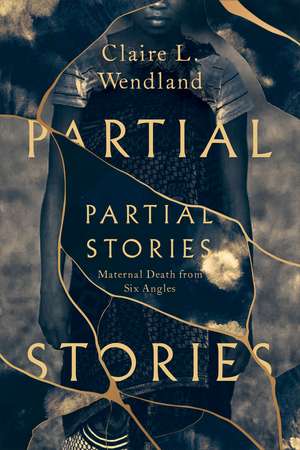
Partial Stories: Maternal Death from Six Angles
Autor Claire L. Wendlanden Limba Engleză Paperback – 22 apr 2022
În literatura academică dedicată sănătății globale, mortalitatea maternă este adesea redusă la cifre statistice sau protocoale clinice, lăsând un gol imens în înțelegerea modului în care comunitățile locale procesează aceste pierderi. Partial Stories completează această lacună, propunând o analiză multidimensională a crizei din Malawi, unde realitățile medicale se intersectează cu tensiunile sociale și economice. Ne-a atras atenția modul în care Claire L. Wendland refuză explicațiile simpliste, demonstrând că încercarea de a impune o singură narațiune autoritară asupra morții poate face actul medical mai periculos decât este în realitate.
Observăm o structură narativă curajoasă: volumul este organizat în șase capitole care funcționează ca lentile prin care privim corpul, tehnologia și autoritatea. Fiecare secțiune teoretică este precedată de povestea unei persoane reale, oferind un chip uman statisticilor reci despre „modernități periculoase” sau „tehnologii ambivalente”. Această abordare continuă preocupările autoarei din lucrarea sa anterioară, A Heart for the Work, unde explora presiunea asupra medicilor din Malawi, însă aici focalizarea se extinde către întreg ecosistemul de îngrijire, de la moașe tradiționale la epidemiologi.
Ca alternativă la Unsafe Motherhood de Nicole S. Berry pentru cursurile de antropologie medicală, acest volum aduce avantajul unei sinteze interdisciplinare rare. În timp ce alte studii se concentrează pe politici globale sau experiențe etnice specifice, Partial Stories integrează biologia cu etica și politica, oferind o imagine de ansamblu asupra inechității endemice. Este o lectură densă, dar esențială pentru a înțelege de ce soluțiile medicale standardizate eșuează adesea în absența unui context cultural bine înțeles.
Preț: 280.76 lei
Carte disponibilă
Livrare economică 23 octombrie-06 noiembrie
Livrare express 09-15 octombrie pentru 35.99 lei
Specificații
ISBN-10: 0226816885
Pagini: 384
Ilustrații: 6 halftones, 3 tables
Dimensiuni: 152 x 229 x 23 mm
Greutate: 0.48 kg
Ediția:First Edition
Editura: University of Chicago Press
Colecția University of Chicago Press
De ce să citești această carte
Recomandăm această carte profesioniștilor din sănătate publică, sociologilor și studenților la antropologie care doresc să depășească viziunea pur clinică asupra mortalității materne. Cititorul câștigă o perspectivă nuanțată asupra modului în care sărăcia cronică și schimbările sociale rapide transformă actul nașterii într-un câmp de luptă ideologic. Este o resursă valoroasă pentru înțelegerea complexității sistemelor de sănătate din Africa Subsahariană.
Despre autor
Claire L. Wendland este medic și profesor de antropologie, specializată în intersecția dintre biomedicină și sistemele de cunoaștere locale în Africa. Experiența sa clinică și academică îi permite să analizeze cu rigoare atât datele epidemiologice, cât și nuanțele culturale ale îngrijirii materne. În lucrările sale, precum A Heart for the Work, Wendland explorează modul în care profesioniștii din domeniul sănătății navighează prin dileme etice în contexte de lipsuri materiale extreme. Prin cercetările sale desfășurate în Malawi, ea a devenit o voce autoritară în antropologia medicală contemporană.
Descriere scurtă
By the early twenty-first century, about one woman in twelve could expect to die of a pregnancy or childbirth complication in Malawi. Specific deaths became object lessons. Explanatory stories circulated through hospitals and villages, proliferating among a range of practitioners: nurse-midwives, traditional birth attendants, doctors, epidemiologists, herbalists. Was biology to blame? Economic underdevelopment? Immoral behavior? Tradition? Were the dead themselves at fault?
In Partial Stories, Claire L. Wendland considers these explanations for maternal death, showing how they reflect competing visions of the past and shared concerns about social change. Drawing on extended fieldwork, Wendland reveals how efforts to legitimate a single story as the authoritative version can render care more dangerous than it might otherwise be. Historical, biological, technological, ethical, statistical, and political perspectives on death usually circulate in different expert communities and different bodies of literature. Here, Wendland considers them together, illuminating dilemmas of maternity care in contexts of acute change, chronic scarcity, and endemic inequity within Malawi and beyond.
Notă biografică
Cuprins
Bonnex Kaunda: “There are too many goings-on these days.”
1 Dangerous Modernities
Agnesi Kunjirima: “You can make your pregnancy safe.”
2 Knowing Bodies
Lillian Siska: “I help them right here at home.”
3 Ambivalent Technologies
Chimwemwe Bruce: “Changes, yes, but no development.”
4 Abundant Scarcity
Rhoda Nantongwe: “By the time she comes to the hospital, it is too late.”
5 Countless Accountings
Dyna Ng’ong’ola and Kettie Pensulo: “Women in this community are very much concerned.”
6 Fragile Authority
Conclusion
Glossary of Chichewa Terms
Key People and Places
Abbreviations
Acknowledgments
References
Notes
Index