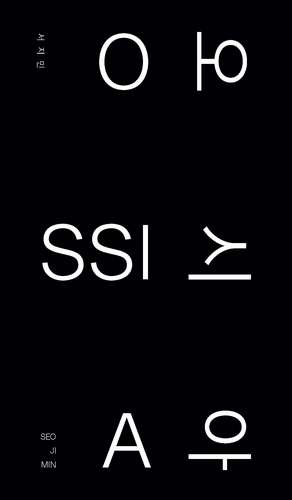
OSSIA
Autor Jimin Seoen Limba Engleză Paperback – sep 2024
Bazându-ne pe analiza structurii bilingve și a profilului autorului Jimin Seo, apreciem că OSSIA reprezintă mai mult decât un simplu volum de debut; este o investigație lingvistică asupra identității fragmentate. Titlul, împrumutat din notația muzicală unde indică o cale alternativă de execuție a unui pasaj, servește drept metaforă perfectă pentru condiția de emigrant a autorului, pendulând între coreeană și engleză. Ne-a atras atenția modul în care Seo refuză să trateze traducerea ca pe un simplu exercițiu tehnic, transformând-o într-un act spiritual de comunicare cu cei dispăruți.
Textul este construit ca un dialog polivocal, unde vocea autorului se intersectează cu cea a mentorului său, regretatul poet Richard Howard. Această interacțiune conferă volumului o dimensiune pedagogică și elegiacă în același timp. Comparabil cu Fifteen Seconds without Sorrow de Shim Bo-Seon în rigurozitate și în explorarea cotidianului melancolic, OSSIA se diferențiază prin utilizarea activă a bilingvismului ca instrument de sondare a istoriei personale. Dacă Shim Bo-Seon mizează pe o simplitate spirituală, Seo optează pentru o structură mai densă, experimentală, unde spațiile dintre limbi devin locuri ale memoriei.
Stilul este unul mitologic și incantatoriu, alternând între epistolă și vers liber. Editorii de la The 87 Press au păstrat fragmentele în limba coreeană fără a le subordona complet englezei, invitând cititorul să experimenteze „străinitatea” și alteritatea. Este o lectură cu un ritm variabil, care cere atenție la nuanțele tonale, oferind în schimb o hartă emoțională a modului în care limba ne modelează percepția asupra trecutului și a pierderii.
Preț: 122.79 lei
Preț vechi: 147.57 lei
-17%
Carte disponibilă
Livrare economică 06-20 noiembrie
Specificații
Pagini: 136
Dimensiuni: 146 x 238 mm
Greutate: 0.4 kg
Editura: CHANGES
Colecția Changes
Locul publicării:New York, United States
V-ar putea interesa
-
 Greek LessonsHan Kang-20%Preț: 56.80 lei70.92 lei
 -
 SkinshipYoon ChoiPreț: 103.85 lei
 -
 Phantom Pain WingsKim HyesoonPreț: 102.31 lei
 -
 But & ThoughJake Hawkey-45%Preț: 49.82 lei90.56 lei
 -
 a grammar of the worldJeanne Benameur-22%Preț: 70.41 lei90.29 lei
 -
 -25%Preț: 86.66 lei115.75 lei
 -
 A Dress of LocustsSafa Khatib-36%Preț: 48.63 lei76.10 lei
 -
 An Interesting DetailKimberly Campanello-29%Preț: 54.22 lei76.36 lei
 -
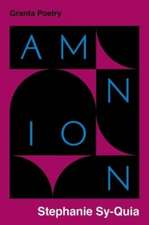 AmnionStephanie Sy-QuiaPreț: 77.21 lei
 -
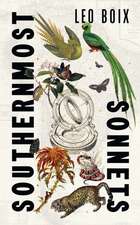 Southernmost: SonnetsLeo BoixPreț: 90.63 lei
 -
 Speaking in TonguesJ. M. CoetzeePreț: 105.11 lei
 -
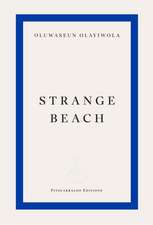 Strange BeachOlawaseun OlayiwolaPreț: 92.07 lei
 -
 VaimJon FossePreț: 90.84 lei
 -
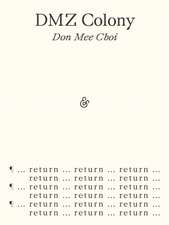 DMZ ColonyDon Mee ChoiPreț: 107.04 lei
 -
 This Part Is SilentSj KimPreț: 104.35 lei
 -
 Autobiography of DeathKim HyesoonPreț: 105.64 lei
 -
 Moon Base OneJemma L. KingPreț: 69.90 lei
 -
 Soon It Will Be SundayLang Leav-21%Preț: 83.04 lei104.54 leiRecomandat
 -
 The Thing About Falling: PoemsTarriona Ball-20%Preț: 83.77 lei105.22 leiRecomandat
 -
 Just RememberJoey Kidney-20%Preț: 84.27 lei105.96 leiRecomandat
De ce să citești această carte
Recomandăm această colecție cititorilor pasionați de lingvistică și poezie contemporană transculturală. OSSIA oferă o perspectivă unică asupra procesului de traducere ca formă de doliu și regăsire. Veți descoperi un dialog fascinant între două culturi și două generații de scriitori, câștigând o înțelegere profundă a modului în care identitatea se reconstruiește prin cuvinte atunci când te afli între două lumi.