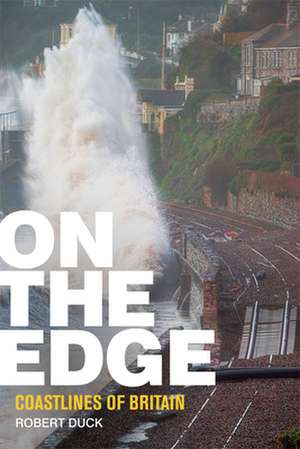
On the Edge
Autor Robert Ducken Limba Engleză Paperback – 22 ian 2015
Analizând datele furnizate de EDINBURGH UNIVERSITY PRESS, observăm că On the Edge reprezintă o cercetare interdisciplinară rară, care intersectează geografia economică, istoria tehnologiei și geoștiințele. Autorul, Robert Duck, profesor de geoștiințe ambientale, propune o primă evaluare sistematică a modului în care expansiunea feroviară din secolul al XIX-lea a modelat iremediabil profilul litoralului britanic. Ne-a atras atenția argumentul central al lucrării: multe dintre aceste linii ferate, construite cu o anumită „nemilosire” comercială, au devenit astăzi structuri critice de apărare împotriva mării, deși locațiile lor ar fi considerate inadecvate conform standardelor actuale de planificare. Textul este riguros academic, dar accesibil prin includerea anecdotelor și a celor 57 de ilustrații care documentează transformarea mediului. Această abordare continuă temele explorate de autor în lucrarea sa anterioară, This Shrinking Land, unde analiza efectele schimbărilor climatice asupra coastelor Marii Britanii. Dacă în volumul precedent accentul cădea pe fenomenul general de eroziune, On the Edge focalizează pe infrastructura feroviară ca factor de exacerbare a acestui proces. Cititorii familiarizați cu The Environmental Impact of Railways de T G Carpenter vor aprecia în acest volum trecerea de la un inventar tehnic al impactului ambiental la o perspectivă geografică și istorică mult mai specifică. În timp ce The English Coast de Peter Murphy oferă o panoramă vastă a adaptării umane pe parcursul a milenii, lucrarea lui Duck se concentrează pe „momentul feroviar” ca punct de cotitură în stabilitatea geologică a țărmurilor. Este un studiu despre ironia istorică a unui mod de transport sustenabil care este, în același timp, extrem de vulnerabil la fenomenele meteorologice extreme pe care încearcă să le atenueze.
Preț: 272.12 lei
Preț vechi: 324.91 lei
-16%
Carte disponibilă
Livrare economică 07-21 noiembrie
Specificații
ISBN-10: 0748697624
Pagini: 240
Ilustrații: 55 b&w illustrations, 2 line art
Dimensiuni: 137 x 211 x 15 mm
Greutate: 0.41 kg
Editura: EDINBURGH UNIVERSITY PRESS
V-ar putea interesa
-
 Preț: 187.52 lei
 -
 The Rise of the Railway: How Trains Changed the WorldChristian Wolmar-17%Preț: 231.59 lei280.40 lei
 -
 Edgeland: Walking the South West Coast PathSasha Swire-27%Preț: 68.43 lei93.16 lei
 -
 On TrackTom Adams-16%Preț: 124.75 lei147.65 lei
 -
 From Caledonia to PictlandJames E Fraser-15%Preț: 198.39 lei232.29 lei
 -
 A History of Everyday Life in Scotland, 1600 to 1800Elizabeth A Foyster-16%Preț: 239.15 lei284.06 lei
 -
 The Muslims of Medieval ItalyAlex Metcalfe-12%Preț: 216.99 lei246.51 lei
 -
 -24%Preț: 729.48 lei953.78 lei
 -
 A History of Everyday Life in Medieval ScotlandEdward J Cowan-17%Preț: 231.44 lei277.94 lei
 -
 A History of Everyday Life in Scotland, 1800 to 1900Graeme Morton-17%Preț: 230.55 lei278.63 lei
 -
 -16%Preț: 235.96 lei282.20 lei
 -
 Sweden, the Swastika and StalinJohn Gilmour-16%Preț: 237.24 lei282.88 lei
 -
 Poulton-Smith, A: Black Country GhostsAnthony Poulton-SmithPreț: 102.94 lei
 -
 Preț: 276.17 lei
 -
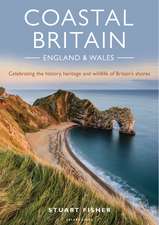 Coastal Britain: England and WalesStuart Fisher-25%Preț: 148.12 lei198.79 lei
 -
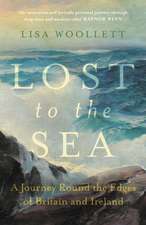 -27%Preț: 67.41 lei92.07 lei
 -
 Railways Remembered: Southern England 1962-1972Kevin MccormackPreț: 166.01 lei
 -
 To the Sea by Train: THE SUNDAY TIMES BESTSELLERAndrew Martin-19%Preț: 111.56 lei137.10 lei
 -
 200 Years of Britain's Railways in 14 JourneysSherin Aminossehe-17%Preț: 238.15 lei285.89 lei
 -
 Off The RailsSally GimsonPreț: 136.96 lei
 -
 Seascape: Notes from a Changing CoastlineMatthew YeomansPreț: 137.33 lei
 -
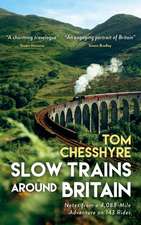 -19%Preț: 115.70 lei142.24 lei
 -
 The Railways: Nation, Network and PeopleSimon Bradley-15%Preț: 74.93 lei88.62 lei
 -
 CoastJoe CornishPreț: 75.14 lei
 -
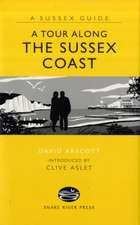 A Tour Along the Sussex CoastDavid ArscottPreț: 63.58 lei
 -
 How the Railways Will Fix the FutureGareth DennisPreț: 85.17 lei
 -
 Lines of PowerJohn BuxtonPreț: 232.09 lei
De ce să citești această carte
Recomandăm această carte specialiștilor în geografie, istorie industrială și planificare teritorială. Cititorul câștigă o înțelegere profundă a modului în care infrastructura moștenită condiționează astăzi strategiile de adaptare la schimbările climatice. Este un argument solid pentru regândirea protecției costiere, demonstrând cum deciziile inginerești de acum un secol influențează direct siguranța și economia prezentului.