
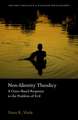
Non-Identity Theodicy: A Grace-Based Response to the Problem of Evil: Oxford Theology and Religion Monographs
Autor Vince R. Vitaleen Limba Engleză Hardback – 17 dec 2020
Aplicabilitatea practică a volumului Non-Identity Theodicy rezidă în reîncadrarea unei dileme filosofice abstracte într-un context profund personal și etic. Considerăm că lucrarea lui Vince R. Vitale reușește să depășească limitele teodiceelor clasice, care adesea eșuează în a oferi mângâiere în fața suferinței umane concrete, tratând divinitatea prin prisma unor concepte precum 'maximizarea valorii' sau 'cea mai bună lume posibilă'. Autorul propune o perspectivă bazată pe grație, unde existența răului este indisolubil legată de identitatea unică a fiecărei ființe umane.
Structura volumului, publicat în prestigioasa serie Oxford Theology and Religion Monographs, este riguroasă și inovatoare. În prima parte, Vince R. Vitale construiește un cadru etic analizând patru cazuri de acțiune umană în care ororile sunt cauzate, permise sau asumate. Această fundamentare îi permite să critice modelele structurale dominante care justifică suferința individuală prin beneficii generale abstracte. Elementul distinctiv al cărții apare în a doua jumătate, unde este dezvoltată 'Teodiceea Non-Identității': ideea că Dumnezeu acceptă posibilitatea răului nu pentru un bine superior exterior, ci pentru că acesta este prețul necesar pentru existența persoanelor specifice pe care El a ales să le creeze și să le iubească.
Cititorii familiarizați cu God, Why This Evil? de Bruce A. Little vor aprecia modul în care Vince R. Vitale extinde critica explicațiilor de tip 'cel mai mare bine'. În timp ce Little se concentrează pe clarificarea problemelor teologice, Vitale avansează o soluție ontologică: persoanele însele sunt 'binele' care justifică riscul răului, deoarece, într-o lume fără acele condiții specifice, acei indivizi nu ar fi existat niciodată. Tonul este unul de o precizie academică remarcabilă, dar infuzat cu o sensibilitate pastorală necesară subiectului tratat.
Din seria Oxford Theology and Religion Monographs
- 33%
 Preț: 545.74 lei
 - 33%
 Preț: 635.72 lei
 - 33%
 Preț: 636.49 lei
 - 19%
 Preț: 566.95 lei
 - 26%
 Preț: 182.87 lei
 - 28%
 Preț: 764.15 lei
 - 27%
 Preț: 932.21 lei
 - 34%
 Preț: 907.88 lei
 - 34%
 Preț: 887.06 lei
 - 27%
 Preț: 756.80 lei
 - 24%
 Preț: 255.09 lei
 - 27%
 Preț: 846.03 lei
 - 33%
 Preț: 787.03 lei
 - 34%
 Preț: 840.23 lei
 - 33%
 Preț: 755.79 lei
 - 28%
 Preț: 781.31 lei
 - 27%
 Preț: 660.96 lei
 - 34%
 Preț: 725.04 lei
 - 28%
 Preț: 786.69 lei
 - 33%
 Preț: 724.71 lei
 - 27%
 Preț: 691.83 lei
 - 34%
 Preț: 661.15 lei
 - 34%
 Preț: 555.14 lei
 - 23%
 Preț: 282.47 lei
 - 33%
 Preț: 634.91 lei
 - 34%
 Preț: 661.36 lei
 - 33%
 Preț: 634.09 lei
 - 33%
 Preț: 632.56 lei
 -
 Preț: 253.48 lei
 - 23%
 Preț: 768.31 lei
 - 14%
 Preț: 682.10 lei
 - 30%
 Preț: 366.20 lei
 - 14%
 Preț: 612.84 lei
 - 14%
 Preț: 616.46 lei
 - 27%
 Preț: 681.03 lei
 - 34%
 Preț: 753.49 lei
 - 34%
 Preț: 632.44 lei
 - 21%
 Preț: 650.69 lei
 - 34%
 Preț: 646.38 lei
 - 33%
 Preț: 546.39 lei
 - 33%
 Preț: 650.16 lei
 - 33%
 Preț: 540.59 lei
 - 33%
 Preț: 759.03 lei
 - nou
 Preț: 643.91 lei
Preț: 649.64 lei
Preț vechi: 975.22 lei
-33%
Carte tipărită la comandă
Livrare economică 05-16 iunie
Specificații
ISBN-10: 0198864221
Pagini: 260
Dimensiuni: 160 x 242 x 17 mm
Greutate: 0.54 kg
Editura: OUP OXFORD
Colecția OUP Oxford
Seria Oxford Theology and Religion Monographs
Locul publicării:Oxford, United Kingdom
De ce să citești această carte
Această carte este esențială pentru studenții și cercetătorii în filozofia religiei care caută o alternativă la modelele utilitariste ale teodiceei. Cititorul câștigă un argument metafizic solid care onorează valoarea intrinsecă a individului în fața suferinței. Este o lectură fundamentală pentru oricine dorește să înțeleagă cum relația părinte-copil poate servi drept model pentru înțelegerea permisiunii divine a răului într-o lume creată din iubire.
Despre autor
Vince R. Vitale este un teolog și filosof recunoscut pentru contribuțiile sale în domeniul apologiei creștine și al filozofiei religiei. Cu o formație academică de elită, Vitale s-a specializat în analiza răspunsurilor teologice la problema răului, fiind apreciat pentru capacitatea de a îmbina rigoarea analitică a Universității Oxford cu o abordare empatică față de suferința umană. Lucrarea sa de față, publicată de OUP Oxford, reprezintă o sinteză a cercetărilor sale asupra identității și eticii divine, consolidându-i poziția de voce inovatoare în teologia contemporană anglo-saxonă.
Descriere
Recenzii
In Non-Identity Theodicy, Vitale provides a new angle into an age-old question facing those who believe in the traditional theistic God - why does He tolerate evil? With care and clarity, Vitale makes a powerful case that the best answer to this question must take full account of a simple fact it is easy to overlook - nobody asking this question today could have existed had God created a world which was very different in these respects from the one we find ourselves in; a fortiori, none of us could have benefitted had He done so.
Creatively, rigorously and persuasively, Vince Vitale shows how the meaning-disrupting power of 'horrors' can be countered, if we take providence to be ordered not simply to the production of good states of affairs, but to particular individuals considered as the targets of an unswerving divine love. This book radically reconfigures philosophical discussion of the problem of evil - making it at once humanly more engaging, and theologically more profound.
Vince Vitale's intellectually compelling and pastorally sensitive work offers a highly valuable resource for moral thinking about love, suffering and evil. His precise framing of God's parental relationship to beloved, suffering creatures charts fruitful routes forward for ethics across challenging personal, familial and political terrain.