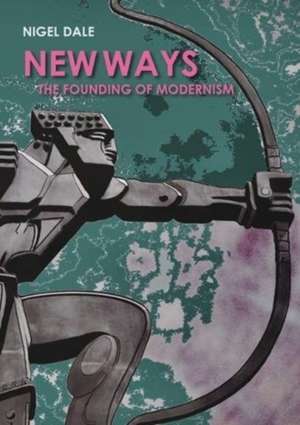
New Ways
Autor Nigel Daleen Limba Engleză Paperback – 11 iul 2022
Considerăm că New Ways este, înainte de toate, o experiență vizuală și tactilă sobră, care onorează estetica funcționalistă pe care o descrie. Publicat de Whittles în format paperback, volumul se impune prin calitatea celor 115 fotografii și 20 de desene tehnice alb-negru, care permit cititorului să observe detaliile texturale ale betonului și precizia liniilor structurale. Subliniem faptul că alegerea paletei monocrome pentru cele peste 250 de ilustrații nu este doar o opțiune estetică, ci una documentară, ancorând lectura în atmosfera riguroasă a perioadei interbelice. Autorul Nigel Dale propune o perspectivă inedită asupra genezei Modernismului în Marea Britanie, mutând accentul de la viziunea artistică solitară către colaborarea tehnică. Pe raftul de artă, alături de Makers of 20th-Century Modern Architecture, acest volum se distinge prin atenția acordată ingineriei structurale. În timp ce alte lucrări se concentrează pe biografiile marilor arhitecți, New Ways explorează simbioza dintre aceștia și inginerii consultanți, mulți dintre ei emigranți europeni care au adus cu sine expertiza tehnologică a betonului armat. Credem că această abordare transformă istoria designului într-o cronică a inovației practice. Structura narațiunii vizuale ne poartă prin diverse sfere ale vieții cotidiene, de la locuințe private la spații de divertisment, demonstrând cum noile metode de construcție au redefinit peisajul urban britanic. Ritmul lecturii este susținut de portretele miniaturale ale artizanilor, ceramiștilor și patronilor care au susținut mișcarea, oferind chipuri umane conceptelor teoretice. Este o lucrare despre unitatea de scop, unde obiectul de mobilier și structura de oțel sunt tratate cu aceeași rigoare intelectuală, oferind o perspectivă completă asupra modului în care s-a născut modernitatea britanică.
Preț: 225.35 lei
Carte disponibilă
Livrare economică 07-21 mai
Livrare express 23-29 aprilie pentru 34.56 lei
Specificații
ISBN-10: 1849951500
Pagini: 208
Ilustrații: Illustrated with 130 thumbnail portraits, 20 drawings, 115 photos, all b/w
Dimensiuni: 167 x 237 x 14 mm
Greutate: 0.52 kg
Editura: Whittles
V-ar putea interesa
-
 Adventurous VentsLucy LaversPreț: 140.45 lei
 -
 Life in ProgressHans Ulrich ObristPreț: 135.61 lei
 -
 A Beautiful WorldJames NorburyPreț: 133.80 lei
 -
 A Year with Gilbert WhiteJenny UglowPreț: 188.58 lei
 -
 Preț: 237.48 lei
 -
 The MaximalistDani DazeyPreț: 270.48 lei
 -
 The EssentialsCaitlin FlemmingPreț: 272.99 lei
 -
 The Architect & Designer Birthday BookJames Biber-16%Preț: 220.80 lei264.35 lei
 -
 Drawing ArchitectureHelen ThomasPreț: 331.59 lei
 -
 Architect's HouseStephen CraftiPreț: 275.62 lei
 -
 BreuerRobert Mccarter-22%Preț: 622.01 lei796.05 lei
 -
 VermeerAndrew Graham DixonPreț: 221.22 lei
 -
 Nigel HallJon WoodPreț: 389.72 lei
 -
 Towards Another ArchitectureOwen HopkinsPreț: 298.45 lei
 -
 Wes Anderson: The ArchivesMatthieu Orlean-20%Preț: 211.55 lei265.70 lei
 -
 Art Nouveau: The Architecture of Modern LifePaul GreenhalghPreț: 332.08 lei
 -
 Highland ParkCarlos Jimenez-8%Preț: 448.98 lei488.02 lei
 -
 Preț: 369.41 lei
 -
 Gio Ponti. More than OneManfredo Di RobilantPreț: 309.90 lei
 -
 We the BacteriaBeatriz ColominaPreț: 123.04 lei
De ce să citești această carte
Recomandăm această carte celor pasionați de istoria construcțiilor și de designul industrial. Cititorul va înțelege cum progresele tehnice în utilizarea betonului și oțelului au permis libertatea estetică a modernismului. Este o resursă valoroasă pentru arhitecți și studenți, oferind un context istoric riguros despre contribuția emigranților europeni la patrimoniul vizual britanic, totul prezentat într-o formă grafică de o eleganță clasică.