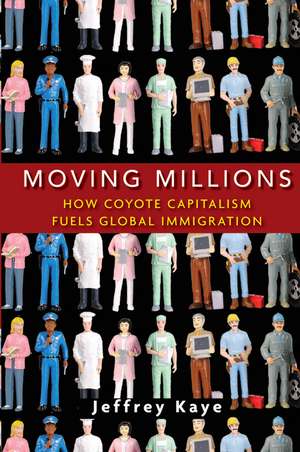
Moving Millions
Autor Jeffrey Kayeen Limba Engleză Hardback – apr 2010
Structura volumului Moving Millions este concepută ca o călătorie analitică prin peisajul global al migrației, organizată pentru a ghida cititorul de la realitățile individuale ale migranților către mecanismele macroeconomice care le dictează destinele. Găsim în această carte o investigație riguroasă a modului în care migrația forțată și exploatarea au devenit piloni profitabili, dar opaci, ai economiei contemporane. Notăm cu interes modul în care Jeffrey Kaye reușește să echilibreze latura umană, adesea tragică, cu o analiză tăioasă a politicilor guvernamentale și a intereselor comerciale. Abordarea diferă de Migrants for Export de Robyn Magalit Rodriguez prin aria de acoperire — în timp ce lucrarea lui Rodriguez se concentrează strict pe modelul statului filipinez ca „broker de forță de muncă”, Moving Millions este mai puțin specifică geografic și mai mult aplicabilă la nivel global. Credem că forța acestui text rezidă în capacitatea de a demonta mitul conform căruia migrația este un fenomen spontan; autorul demonstrează că avem de-a face cu un sistem riguros orchestrat, unde forța de muncă este tratată ca o marfă, similară petrolului. Ritmul este alert, susținut de mărturii directe care transformă datele statistice în realități palpabile, oferind o perspectivă critică asupra modului în care economia globală este configurată în detrimentul lucrătorului de rând.
Preț: 157.49 lei
Carte disponibilă
Livrare economică 12-26 noiembrie
Specificații
ISBN-10: 047042334X
Pagini: 320
Dimensiuni: 168 x 241 x 31 mm
Greutate: 0.53 kg
Editura: Turner Publishing Company
Locul publicării:Hoboken, United States
V-ar putea interesa
-
 ExodusPaul Collier-30%Preț: 64.84 lei93.27 lei
 -
 -30%Preț: 459.07 lei657.66 lei
 -
 -22%Preț: 268.08 lei344.01 lei
 -
 How Migration Really WorksHEIN DE HAAS-29%Preț: 66.62 lei94.34 lei
 -
 Immigrants: Your Country Needs ThemPhilippe Legrain-27%Preț: 68.52 lei93.38 lei
 -
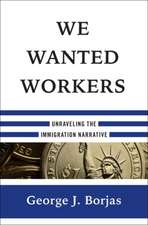 We Wanted Workers: Unraveling the Immigration NarrativeGeorge J. BorjasPreț: 172.25 lei
 -
 ConcepcionAlbert SamahaPreț: 117.40 lei
 -
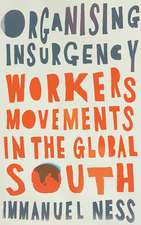 Preț: 199.09 lei
 -
 Preț: 132.90 lei
 -
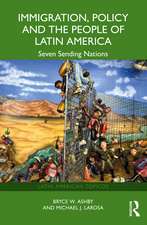 Preț: 353.46 lei
 -
 Preț: 298.95 lei
 -
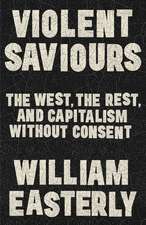 Violent Saviours: The West, the Rest, and Capitalism Without ConsentWilliam Easterly-25%Preț: 101.94 lei136.36 lei
 -
 Preț: 165.27 lei
 -
 The Precarious Migrant Worker: The Socialization o f PrecarityPanos TheodoropoulosPreț: 156.68 lei
 -
 The World Under CapitalismBranko MilanovicPreț: 220.19 lei
 -
 Value ChainsIntan SuwandiPreț: 167.50 lei
 -
 -19%Preț: 69.08 lei85.65 lei
 -
 Crude CapitalismAdam HaniehPreț: 170.87 lei
 -
 Preț: 72.49 lei
Public țintă
Globalization skepticism is still a great topic for books, even among middle–of–the–road liberals, many of whom now firmly believe the global economy is rigged against them. During a slow recovery, this book will have even more appeal as readers see how workers have taken a much harder hit than businesses in the global recession.De ce să citești această carte
Recomandăm această carte celor care doresc să înțeleagă dedesubturile economice ale migrației dincolo de retorica politică. Cititorul va câștiga o înțelegere clară a modului în care piețele globale de capital dictează mișcările de populație. Este o lectură esențială pentru profesioniștii din economie, sociologie sau politici publice care caută o analiză onestă a modului în care globalizarea a transformat migrația într-o industrie profitabilă.
Despre autor
Jeffrey Kaye este un jurnalist de investigație cu o experiență vastă, cunoscut pentru contribuțiile sale ca și corespondent pentru PBS NewsHour. Expertiza sa în documentarea politicilor sociale și economice îi permite să abordeze subiecte complexe precum migrația globală cu o rigoare analitică deosebită. În Moving Millions, Kaye își folosește talentul narativ pentru a aduce la lumină intersecția dintre viețile individuale și interesele corporațiilor transnaționale, consolidându-și reputația de observator critic al mecanismelor globalizării.
Descriere scurtă
Nurses in the Philippines, farmers in Senegal, Dominican factory workers in rural Pennsylvania, even Indian software engineers working in California--all are pieces of a larger system Kaye calls ""coyote capitalism.""
Coyote capitalism is the idea--practiced by many businesses and governments--that people, like other natural resources, are supplies to be shifted around to meet demand. Workers are pushed out, pulled in, and put on the line without consideration of the consequences for economies, communities, or individuals.
With a fresh take on a controversial topic, Moving Millions
- Knocks down myth after myth about why immigrants come to America and what role they play in the economy
- Challenges the view that immigrants themselves motivate immigration, rather than the policies of businesses and governments in both rich and poor nations
- Finds surprising connections between globalization, economic growth and the convoluted immigration debates taking place in America and other industrialized countries
- Jeffrey Kaye is a freelance journalist and special correspondent for the PBS NewsHour for whom he has reported since 1984, covering immigration, housing, health care, urban politics, and other issues
Drawing on Jeffrey Kaye's travels to places including Mexico, the U.K., the United Arab Emirates, the Philippines, Poland, and Senegal, this book, a healthy alternative to the obsession with migrants' legal status, exposes the dark side of globalization and the complicity of businesses and governments to benefit from the migration of millions of workers.