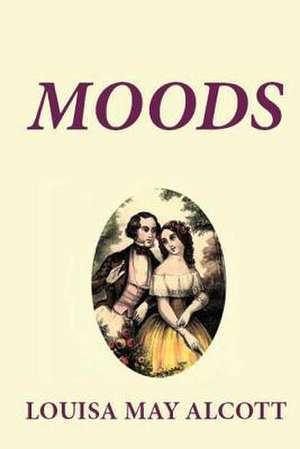
Moods
Autor Louisa May Alcotten Limba Engleză Paperback
Preț: 68.40 lei
Puncte Express: 103
Carte disponibilă
Livrare economică 09-23 noiembrie
Livrare prin curier în România Termenul estimat este afișat lângă disponibilitate.
Transport gratuit de la 400.00 lei Plată online sau ramburs, în funcție de opțiunile comenzii.
Retur gratuit în 14 zile Comandă securizată și suport în română.
Specificații
ISBN-13: 9781481257008
ISBN-10: 1481257005
Pagini: 192
Dimensiuni: 152 x 229 x 10 mm
Greutate: 0.26 kg
Editura: CREATESPACE
ISBN-10: 1481257005
Pagini: 192
Dimensiuni: 152 x 229 x 10 mm
Greutate: 0.26 kg
Editura: CREATESPACE
V-ar putea interesa
-
 TehanuUrsula K. Le GuinPreț: 64.77 lei
 -
 Preț: 61.94 lei
 -
 The Tombs of AtuanUrsula K. Le GuinPreț: 60.47 lei
 -
 The Hate U Give. Adult EditionAngie Thomas-5%Preț: 69.35 lei72.88 lei
 -
 Mountain-Laurel and MaidenhairLouisa May AlcottPreț: 73.65 lei
 -
 Little Men - Life at Plumfield with Jo's BoysLouisa May AlcottPreț: 265.26 lei
 -
 Little Women - The Original Classic EditionLouisa May AlcottPreț: 118.45 lei
 -
 The Struggle for Sea PowerM. B. SyngePreț: 97.34 lei
 -
 Preț: 89.87 lei
 -
 Jo's Boys by Louisa May Alcott, Fiction, Family, ClassicsLouisa May AlcottPreț: 106.53 lei
 -
 The Coral IslandR. M. BallantynePreț: 105.77 lei
 -
 Preț: 99.94 lei
 -
 PollyanaEleanor H. PorterPreț: 80.15 lei
 -
 Behind a Mask -Or- A Woman's PowerLouisa May AlcottPreț: 91.04 lei
 -
 Just So Stories -IllustratedRudyard KiplingPreț: 60.33 lei
 -
 Comic TragediesLouisa May AlcottPreț: 48.78 lei
 -
 Jack and JillLouisa May AlcottPreț: 79.99 lei
 -
 May FlowersLouisa May AlcottPreț: 43.86 lei
 -
 Young Bond: Red NemesisSteve Cole-18%Preț: 47.10 lei57.59 lei
 -
 Auchterlounie, N: Dennis and the Chamber of MischiefNigel Auchterlounie-20%Preț: 38.89 lei48.41 lei
 -
 The Memoirs Of MoominpappaTove Jansson-17%Preț: 78.03 lei93.95 lei
Notă biografică
Louisa May Alcott (1832-1888) was an American author born in Philadelphia, USA. She began her career writing short stories under pen names, including A. M. Barnard. Alcott is best known for her children's novel Little Women, 1868, and its subsequent sequels: Good Wives, 1869, Little Men, 1871, and Jo's Boys, 1886. She received great critical acclaim during her lifetime and was able to support herself and her family through her writing career. Alcott was also a determined activist and was heavily involved in abolitionism and feminist movements.
Cuprins
Acknowledgements
Introduction
Notes to Introduction
Selected Bibliography
A Note on the Text
Moods, 1864
Review of Moods by Henry James
Selection from Moods, 1882
Explanatory Notes
Introduction
Notes to Introduction
Selected Bibliography
A Note on the Text
Moods, 1864
Review of Moods by Henry James
Selection from Moods, 1882
Explanatory Notes
Recenzii
Alcott's romantic but serious first novel is a landmark not only in her own literary history, but in the history of American feminist fiction.
Descriere
Descriere de la o altă ediție sau format:
Sylvia Yule, the heroine of Moods, is a passionate tomboy who yearns for adventure. The novel opens as she embarks on a river camping trip with her brother and his two friends, both of whom fall in love with her. These rival suitors, close friends, are modeled on Ralph Waldo Emerson and Henry Daniel Thoreau. Aroused, but still "moody" and inexperienced, Sylvia marries the wrong man. In the rest of the novel, Alcott attempts to resolve the dilemma she has created and leave her readers asking whether, in fact, there is a place for a woman such as Sylvia in a man's world.