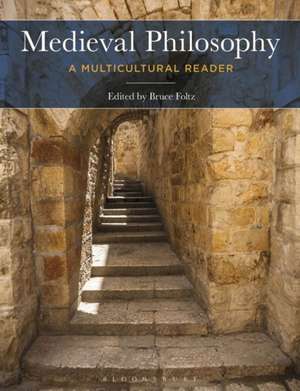
Medieval Philosophy: A Multicultural Reader
Editat de Bruce Foltzen Limba Engleză Paperback – 21 feb 2019
Representative readings from each of the four great traditions are presented chronologically in four different tracks, along with engaging and accessible introductions to the traditions themselves, as well as each individual thinker-all selected and presented by noted scholars within each respective tradition.
This groundbreaking collection:
-Offers readings from early thinkers that contextualize the medieval traditions.
-Presents, for the first time, extensive readings from the Byzantine Christian tradition that has wielded an important cultural influence from Russia and the Balkans to the Middle East and Northern Africa.
-Chooses and interprets texts that are integrally important within each of these four traditions-living traditions that continue to shape values and beliefs today-rather than seen from an external point of view, such as that of a later school of philosophy.
-Juxtaposes extensive readings from poetic and mystical elements within these traditions alongside the usual, often more analytical readings.
-Features a timeline of the entire period, a map indicating the locations associated with philosophers included in this volume, an annotated guide to further reading on each of these traditions, and an index of names and of subjects that appear in the volume.
Given its relevance for approaching the medieval world on its own terms, as well as for understanding the foundations of our own world, the volume is intended not only as an academic textbook and reference work, but as a readable and informative guide for the general reader who wishes to understand these great philosophical and religious traditions that continue to influence our world today-or perhaps to simply glean the wisdom from these enduring texts.
This is a culturally inclusive title, which seeks to provide the reader with a rich, varied and comprehensive insight into the entirety of the medieval philosophical world.
Preț: 298.20 lei
Preț vechi: 376.78 lei
-21%
Puncte Express: 447
Carte tipărită la comandă
Livrare economică 30 noiembrie-14 decembrie
Livrare prin curier în România Termenul estimat este afișat lângă disponibilitate.
Transport gratuit de la 400.00 lei Plată online sau ramburs, în funcție de opțiunile comenzii.
Retur gratuit în 14 zile Comandă securizată și suport în română.
Specificații
ISBN-13: 9781472580399
ISBN-10: 1472580397
Pagini: 736
Dimensiuni: 186 x 246 x 40 mm
Greutate: 1.4 kg
Ediția:Adnotată
Editura: Bloomsbury Publishing
Colecția Bloomsbury Academic
Locul publicării:London, United Kingdom
ISBN-10: 1472580397
Pagini: 736
Dimensiuni: 186 x 246 x 40 mm
Greutate: 1.4 kg
Ediția:Adnotată
Editura: Bloomsbury Publishing
Colecția Bloomsbury Academic
Locul publicării:London, United Kingdom
V-ar putea interesa
-
 Rivers of GoldHugh Thomas-22%Preț: 112.78 lei143.70 lei
 -
 The Oxford Illustrated History of Medieval EuropeGeorge Holmes-17%Preț: 209.62 lei251.46 lei
 -
 -8%Preț: 287.30 lei312.91 lei
 -
 Europe after Rome: A New Cultural History 500-1000Julia M. H. Smith-22%Preț: 187.49 lei240.04 lei
 -
 The Proprietary Church in the Medieval WestSusan Wood-23%Preț: 663.72 lei859.43 lei
 -
 Justinian's Digest: Character and CompilationTony Honoré-31%Preț: 806.57 lei1165.62 lei
 -
 The Autumn of the Middle AgesJohan HuizingaPreț: 283.73 lei
 -
 Imperial Lives & Letters of the Eleventh CenturyTheodor MommsenPreț: 268.18 lei
 -
 The History of the Medieval WorldSusan Wise BauerPreț: 255.93 lei
 -
 Barbarians to AngelsPeter S. WellsPreț: 129.05 lei
 -
 Preț: 478.74 lei
 -
 Medieval History for DummiesStephen BatchelorPreț: 155.40 lei
 -
 Archaeology, Theory and the Middle AgesJohn Moreland-11%Preț: 327.21 lei365.99 lei
 -
 -25%Preț: 82.75 lei109.73 lei
 -
 Medieval IntrigueIan Mortimer-40%Preț: 103.19 lei172.43 lei
Cuprins
Foreward (Bernard McGinn, Naomi Shenstone Donnelley Professor Emeritus of Historical Theology and of the History of Christianity, University of Chicago, USA)
List of Contributors
Introduction (Bruce Foltz, Emeritus Professor of Philosophy, Eckerd College, USA)
Part 1: Ancient Philosophy as a Spiritual Tradition: Predecessors of Medieval Philosophy (Editor: Eric Perl, Professor of Philosophy, Loyola Marymount University,USA)
1. Plato: Selections from, Phaedrus, Timaeus, Symposium, Republic
2. Aristotle: Selections from Nicomachean Ethics, On the Soul, Metaphysics
3. Cicero: Selections from On the Nature of the Gods
4. Epictetus: Selections from Handbook
5. Plotinus: Selections from Enneads
6. Proclus: Selections from Elements of Theology and Commentary on Plato's "Parmenides"
Part 2. The Greek Tradition (Editor: David Bradshaw, Professor of Philosophy, University of Kentucky, USA)
1. Justin Martyr: Selections from First Apology and Second Apology
2. Ireneaus, Selections from Against Heresies
3. Clement of Alexandria: Selections from Stromata
4. Origen: Selections from On First Principles
5. Athanasius: Selections from On the Incarnation and Against the Arians
6. Basil of Caesarea: Selections from The Long Rules, Hexaemeron, Epistle 234, On the Holy Spirit, That God Is Not the Cause of Evil
7. Gregory Nazianzen, Selections from Orations
8. Gregory of Nyssa: Selections from On Virginity, Life of Moses
9. Evagrius of Pontus, Selections from Praktikos, On Thoughts, On Prayer
10. John Chrysostom, Selections from Homilies 6, 3, 4, 45, 16, 8
11. Dionysius the Areopagite: Selections from Divine Names; Mystical Theology; Celestial Hierarchy
12. Philoponus: Selections from Against Proclus on the Eternity of the World
13. Maximus the Confessor: Selections from Centuries on Charity; Chapters on Theology and Economy; Mystagogy; Ambigua
14. John of Damascus: Selections from On the Orthodox Faith and Defense of the Holy Icons
15. Symeon the New Theologian: Selections from Catechetical Discourses and Hymns
16. Gregory Palamas: Selections from Triads
Part 3. The Latin Christian Tradition (Editor: Peter Casarella, Associate Professor of Theology, Notre Dame University, USA)
1. Augustine: Selections from Confessions and De Civitate Dei
2. Boethius: Selections from The Consolation of Philosophy
3. John Scottus Eriugena: Selections from On the Division of Nature (Periphyseon)
4. Anselm: Selections from Proslogion
5. Bonaventure of Bagnoregio: Selections from Itinerarium mentis in Deum
6. Thomas Aquinas: Selections from On Being and Essence and Summa Theologiae
7. Marguerite Porete: Selections from The Mirror of Simple Souls
8. Meister Eckhart: Selections from German Sermons and Parisian Questions
9. John Duns Scotus: Selections from Ordinatio
10. William of Ockham: Selections from Summa Logicae
11. Nicholas of Cusa: Selections from On Learned Ignorance
Part 4: The Jewish Tradition (Editor: Sarah Pessin, Associate Professor of Philosophy, University of Denver, USA)
1. Overview
2. Introduction to Rabbinic, Midrashic, and Early Mystical Writings
3. Selections from Babylonian Talmud
4. Selections from Sifre Numbers
5. Selections from Midrash Rabbah
6. Selections from Sefer Ye?irah (The Book of Creation)
7. Selections from Zohar
8. Philo: Selections from On the Creation and Allegorical Interpretations
9. Isaac Israeli: Selections from Book of Substances, Book of Spirit and Soul, Mantua Text
10. Saadya: Selections from The Book of Doctrines and Beliefs
11. Ibn Gabirol, Selections from Ahavtikha, Genesis Commentary, Fons Vitae, The Improvement of the Moral Qualities
12. Judah Halevi: Selections of Poetry and Selections from Kuzari
13. Bahya Ibn Pequda, Selections from Duties of the Heart
14. Moses Maimonides, Selections from Guide of the Perplexed and Commentary on the Mishnah
15. Gersonides, Selections from Wars of the Lord
Part 5: The Islamic Tradition (Editor: Mohammad Azadpur, Professor of Philosophy, San Francisco State University, USA)
1. Selections from Theology of Aristotle
2. Razi: Selections from The Book of Philosophical Life and The Proofs of Prophecy
3. Alfarabi: Selections from Attainment of Happiness and On the Intellect
4. Avicenna, Selections from De Anima of the Book of Salvation and The Metaphysics of the Healing
5. Ghazzali: Selections from Deliverance from Evil
6. Ibn Tufayl: Selections from ?ayy Ibn Yaq?an, a Philosophical Tale
7. Averroes: Selections from Decisive Treatise Determining What the Connection is between Religion and Philosophy
8. Suhrawardi: Selections from The Philosophy of Illumination
9. Ibn Arabi: Selections from Meccan Revelations
10. Mulla Sadra: Selections from The Wisdom of the Throne Timeline
Maps
Suggestions for Further Reading
Sources
Index
List of Contributors
Introduction (Bruce Foltz, Emeritus Professor of Philosophy, Eckerd College, USA)
Part 1: Ancient Philosophy as a Spiritual Tradition: Predecessors of Medieval Philosophy (Editor: Eric Perl, Professor of Philosophy, Loyola Marymount University,USA)
1. Plato: Selections from, Phaedrus, Timaeus, Symposium, Republic
2. Aristotle: Selections from Nicomachean Ethics, On the Soul, Metaphysics
3. Cicero: Selections from On the Nature of the Gods
4. Epictetus: Selections from Handbook
5. Plotinus: Selections from Enneads
6. Proclus: Selections from Elements of Theology and Commentary on Plato's "Parmenides"
Part 2. The Greek Tradition (Editor: David Bradshaw, Professor of Philosophy, University of Kentucky, USA)
1. Justin Martyr: Selections from First Apology and Second Apology
2. Ireneaus, Selections from Against Heresies
3. Clement of Alexandria: Selections from Stromata
4. Origen: Selections from On First Principles
5. Athanasius: Selections from On the Incarnation and Against the Arians
6. Basil of Caesarea: Selections from The Long Rules, Hexaemeron, Epistle 234, On the Holy Spirit, That God Is Not the Cause of Evil
7. Gregory Nazianzen, Selections from Orations
8. Gregory of Nyssa: Selections from On Virginity, Life of Moses
9. Evagrius of Pontus, Selections from Praktikos, On Thoughts, On Prayer
10. John Chrysostom, Selections from Homilies 6, 3, 4, 45, 16, 8
11. Dionysius the Areopagite: Selections from Divine Names; Mystical Theology; Celestial Hierarchy
12. Philoponus: Selections from Against Proclus on the Eternity of the World
13. Maximus the Confessor: Selections from Centuries on Charity; Chapters on Theology and Economy; Mystagogy; Ambigua
14. John of Damascus: Selections from On the Orthodox Faith and Defense of the Holy Icons
15. Symeon the New Theologian: Selections from Catechetical Discourses and Hymns
16. Gregory Palamas: Selections from Triads
Part 3. The Latin Christian Tradition (Editor: Peter Casarella, Associate Professor of Theology, Notre Dame University, USA)
1. Augustine: Selections from Confessions and De Civitate Dei
2. Boethius: Selections from The Consolation of Philosophy
3. John Scottus Eriugena: Selections from On the Division of Nature (Periphyseon)
4. Anselm: Selections from Proslogion
5. Bonaventure of Bagnoregio: Selections from Itinerarium mentis in Deum
6. Thomas Aquinas: Selections from On Being and Essence and Summa Theologiae
7. Marguerite Porete: Selections from The Mirror of Simple Souls
8. Meister Eckhart: Selections from German Sermons and Parisian Questions
9. John Duns Scotus: Selections from Ordinatio
10. William of Ockham: Selections from Summa Logicae
11. Nicholas of Cusa: Selections from On Learned Ignorance
Part 4: The Jewish Tradition (Editor: Sarah Pessin, Associate Professor of Philosophy, University of Denver, USA)
1. Overview
2. Introduction to Rabbinic, Midrashic, and Early Mystical Writings
3. Selections from Babylonian Talmud
4. Selections from Sifre Numbers
5. Selections from Midrash Rabbah
6. Selections from Sefer Ye?irah (The Book of Creation)
7. Selections from Zohar
8. Philo: Selections from On the Creation and Allegorical Interpretations
9. Isaac Israeli: Selections from Book of Substances, Book of Spirit and Soul, Mantua Text
10. Saadya: Selections from The Book of Doctrines and Beliefs
11. Ibn Gabirol, Selections from Ahavtikha, Genesis Commentary, Fons Vitae, The Improvement of the Moral Qualities
12. Judah Halevi: Selections of Poetry and Selections from Kuzari
13. Bahya Ibn Pequda, Selections from Duties of the Heart
14. Moses Maimonides, Selections from Guide of the Perplexed and Commentary on the Mishnah
15. Gersonides, Selections from Wars of the Lord
Part 5: The Islamic Tradition (Editor: Mohammad Azadpur, Professor of Philosophy, San Francisco State University, USA)
1. Selections from Theology of Aristotle
2. Razi: Selections from The Book of Philosophical Life and The Proofs of Prophecy
3. Alfarabi: Selections from Attainment of Happiness and On the Intellect
4. Avicenna, Selections from De Anima of the Book of Salvation and The Metaphysics of the Healing
5. Ghazzali: Selections from Deliverance from Evil
6. Ibn Tufayl: Selections from ?ayy Ibn Yaq?an, a Philosophical Tale
7. Averroes: Selections from Decisive Treatise Determining What the Connection is between Religion and Philosophy
8. Suhrawardi: Selections from The Philosophy of Illumination
9. Ibn Arabi: Selections from Meccan Revelations
10. Mulla Sadra: Selections from The Wisdom of the Throne Timeline
Maps
Suggestions for Further Reading
Sources
Index
Recenzii
That the title of this book clearly signals the multiculturalism and pluralism of medieval thought is to its credit. The book is organized in five sections: an opening section looks at Greco-Roman sources, and each of the remaining four sections treats a major linguistic or cultural grouping in medieval thought: Byzantine, Jewish, Latin, and Muslim. Each section offers translated selections of relevant major works of the tradition. This being the case, the volume could serve as a resource in survey courses . Summing Up: Recommended. Lower- and upper-division undergraduates.
It's great to have alongside each other a large selection of the crucial texts of Western medieval philosophy, in its Christian (Greek and Latin), Jewish and Islamic branches. I know of no other anthology which would enable students to see the similarities and differences between the different ways in which ancient Greek philosophy developed in the Middle Ages, and the interactions between them.
This large and comprehensive volume of primary source material provides the reader not only with key medieval philosophical texts from the Latin Christian, Byzantine, Islamic, and Jewish traditions, but also with a judicious selection of foundational texts from the ancient Greek philosophical period, both pagan and patristic. There is no other source book that matches this one in breadth and depth.
This brave new anthology opens up new ways of studying and understanding medieval philosophy, both by fully including the Arabic, Jewish and Greek, as well as the Latin traditions, and through its admirably broad conception of what texts count as philosophical.
It's great to have alongside each other a large selection of the crucial texts of Western medieval philosophy, in its Christian (Greek and Latin), Jewish and Islamic branches. I know of no other anthology which would enable students to see the similarities and differences between the different ways in which ancient Greek philosophy developed in the Middle Ages, and the interactions between them.
This large and comprehensive volume of primary source material provides the reader not only with key medieval philosophical texts from the Latin Christian, Byzantine, Islamic, and Jewish traditions, but also with a judicious selection of foundational texts from the ancient Greek philosophical period, both pagan and patristic. There is no other source book that matches this one in breadth and depth.
This brave new anthology opens up new ways of studying and understanding medieval philosophy, both by fully including the Arabic, Jewish and Greek, as well as the Latin traditions, and through its admirably broad conception of what texts count as philosophical.