
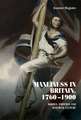
Manliness in Britain, 1760-1900: Studies in Design and Material Culture
Autor Joanne Begiatoen Hardback – 26 feb 2020
| Toate formatele și edițiile | Preț | Express |
|---|---|---|
| Paperback (1) | 318.00 lei 3-5 săpt. | +30.36 lei 10-14 zile |
| MANCHESTER UNIVERSITY PRESS – 7 mar 2022 | 318.00 lei 3-5 săpt. | +30.36 lei 10-14 zile |
| Hardback (1) | 564.14 lei 3-5 săpt. | +27.00 lei 10-14 zile |
| MANCHESTER UNIVERSITY PRESS – 26 feb 2020 | 564.14 lei 3-5 săpt. | +27.00 lei 10-14 zile |
Din seria Studies in Design and Material Culture
-
 Preț: 318.00 lei
 - 23%
 Preț: 618.30 lei
 - 19%
 Preț: 447.79 lei
 -
 Preț: 126.91 lei
 - 19%
 Preț: 682.62 lei
 -
 Preț: 221.11 lei
 - 23%
 Preț: 703.90 lei
 - 23%
 Preț: 860.51 lei
 -
 Preț: 374.23 lei
 -
 Preț: 225.42 lei
 - 23%
 Preț: 748.79 lei
 -
 Preț: 226.61 lei
 - 23%
 Preț: 813.89 lei
 - 19%
 Preț: 680.07 lei
 -
 Preț: 216.51 lei
 -
 Preț: 167.83 lei
 -
 Preț: 274.45 lei
 -
 Preț: 320.01 lei
 - 23%
 Preț: 702.61 lei
 - 23%
 Preț: 699.07 lei
 - 23%
 Preț: 704.18 lei
 - 23%
 Preț: 696.20 lei
 -
 Preț: 280.28 lei
 - 23%
 Preț: 695.93 lei
 -
 Preț: 226.02 lei
 -
 Preț: 269.91 lei
 - 23%
 Preț: 678.98 lei
 -
 Preț: 321.84 lei
 - 23%
 Preț: 581.70 lei
 - 18%
 Preț: 138.08 lei
 - 23%
 Preț: 582.00 lei
 - 23%
 Preț: 1097.98 lei
 -
 Preț: 270.57 lei
 - 23%
 Preț: 616.89 lei
 - 23%
 Preț: 706.04 lei
 -
 Preț: 395.37 lei
 - 23%
 Preț: 582.22 lei
 - 23%
 Preț: 583.15 lei
 -
 Preț: 269.86 lei
Preț: 564.14 lei
Preț vechi: 655.98 lei
-14%
Puncte Express: 846
Preț estimativ în valută:
99.87€ • 116.19$ • 86.61£
99.87€ • 116.19$ • 86.61£
Carte disponibilă
Livrare economică 07-21 februarie
Livrare express 27-31 ianuarie pentru 36.99 lei
Preluare comenzi: 021 569.72.76
Specificații
ISBN-13: 9781526128577
ISBN-10: 1526128578
Pagini: 256
Dimensiuni: 170 x 240 x 26 mm
Greutate: 0.54 kg
Editura: MANCHESTER UNIVERSITY PRESS
Seria Studies in Design and Material Culture
ISBN-10: 1526128578
Pagini: 256
Dimensiuni: 170 x 240 x 26 mm
Greutate: 0.54 kg
Editura: MANCHESTER UNIVERSITY PRESS
Seria Studies in Design and Material Culture
Notă biografică
Joanne Begiato is Professor of History and Associate Dean for Research and Knowledge Exchange at Oxford Brookes University
Cuprins
Descriere
This book focuses on men's bodies, emotions and material culture to offer a new understanding of masculinities in Britain in the long nineteenth century. Using objects as well as texts and images, it shows how idealised and ugly bodies, and the feelings they stimulated, helped convey ideas about manliness and unmanliness across society. -- .