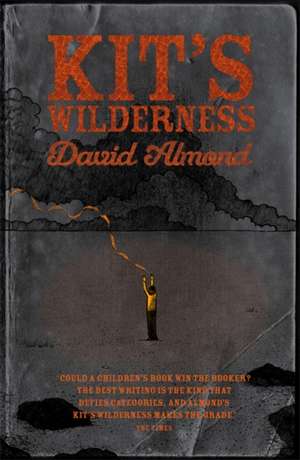
Kit's Wilderness
Autor David Almonden Limba Engleză Paperback – 17 ian 2008
Considerăm că personajul principal, Kit, va rezona imediat cu tinerii cititori prin vulnerabilitatea și curajul său natural. Tocmai mutat în comunitatea izolată Stoneygate, Kit se confruntă cu realități emoționale complexe: degradarea bunicului său iubit sub povara bolii Alzheimer și presiunea de a se integra într-un grup de tineri care practică un ritual hipnotic numit „Jocul Morții”. Această premisă transformă lectura într-o explorare profundă a graniței dintre copilărie și maturitate, unde istoria dureroasă a minelor de cărbune de sub picioarele personajelor devine o metaforă pentru amintirile care refuză să fie îngropate.
Stilul lui David Almond este, ca de obicei, unul atmosferic și dens, reușind să creeze o tensiune care nu vine din acțiune gratuită, ci din trăirile interioare ale personajelor. Ca și Skellig, acest roman reușește să emoționeze fără a fi didactic, oferind o perspectivă onestă asupra pierderii și a regenerării. Dacă în Clay autorul explora ideea creației și a controlului, în Kit's Wilderness el se apleacă asupra moștenirii transgeneraționale și a modului în care poveștile trecutului ne modelează prezentul. Ritmul este așezat, lăsând loc pentru reflecție, iar tonul, deși ușor melancolic, este străbătut de o speranță luminoasă.
Recomandăm această carte pentru profunzimea cu care tratează relația dintre generații. Întâlnirea dintre Kit, rebelul Askew și pragmatica Allie formează un triunghi narativ care îi va captiva pe cititorii de peste 10-12 ani, oferindu-le nu doar o poveste cu fantome, ci o lecție despre puterea prieteniei în fața întunericului.
Preț: 21.27 lei
Preț vechi: 57.17 lei
-63%
Carte disponibilă
Livrare economică 17 noiembrie-01 decembrie
Livrare express 03-07 noiembrie pentru 55.54 lei
Specificații
ISBN-10: 034094496X
Pagini: 240
Ilustrații: n/a
Dimensiuni: 129 x 241 x 19 mm
Greutate: 0.21 kg
Editura: Hachette Children's Group
Colecția Hodder Children's Books
Locul publicării:London, United Kingdom
De ce să citești această carte
Recomandăm această carte părinților care caută literatură de calitate pentru copiii lor preadolescenți. Kit's Wilderness este o lectură formativă care abordează cu delicatețe teme precum boala bunicilor, bullying-ul și acceptarea mortalității. Cititorul câștigă o înțelegere mai profundă a empatiei și a istoriei personale, totul într-un cadru de realism magic captivant, premiat la nivel internațional pentru valoarea sa literară.
Despre autor
David Almond este unul dintre cei mai apreciați scriitori britanici contemporani de literatură pentru copii și tineret, fiind laureat al prestigiosului premiu Hans Christian Andersen în 2010, considerat Nobelul pentru literatura infantilă. Cariera sa a fost marcată de un succes fulminant încă de la debutul cu Skellig, care a fost inclus în topul celor mai bune zece cărți premiate cu Carnegie Medal din toate timpurile. Opera sa se distinge prin îmbinarea elementelor cotidiene cu cele fantastice, explorând adesea peisajele din nord-estul Angliei și teme metafizice accesibile tinerilor.
Descriere
Here Kit meets Askew, a surly and threatening figure who masterminds the game called Death, a frightening ritual of hypnotism; and Kit makes friends with Allie, the clever school troublemaker. As Kit struggles to adjust to his new life and the gradual failing of his beloved grandfather, these two friendships pull him towards a terrifying resolution. Haunted by ghosts of the past, Kit must confront death and - ultimately - life.
A stunning novel from the author of the modern children's classic Skellig - winner of the Carnegie Medal and the Whitbread Children's Book Award. David Almond is also winner of the 2010 Hans Christian Andersen award.
Recenzii
An enthralling, multi-layered and complex story with a tension that builds and grips the reader. A wonder ful read.
A writer of subtle, page-turning and daring exactness.
Extremely good. Written with an acute sense of place plus a touch of the supernatural.
Sensitive and absorbing.
Has the same mesmerising quality of writing and a hauntingly intense plot.
The book treats all the great universal themes of literature - love, loss, redemption, mortality - with elegant, tender simplicity, and it is bound to touch any reader of whatever age.
Very touching.
An essential read from an original voice.
A haunting read for thoughtful readers.
A moving rites-of-passage novel.
This superb piece of lyrically-written literary fiction captivates teenagers and their parents alike.
Almond's magic is subtle, breath-taking, redemptive.
Gripping, convincing and effortlessly well-written
Dark and gripping.
Almond's masterpiece: Kit's Wilderness is one of those rare works that changes how we see the world
Could a children's book win the Booker? The best writing is the kind that defies categories, and Almond's Kit's Wilderness makes the grade.
You can feel the chill from the ghosts that haunt its pages. An essential read from an original voice in children's books.
David Almond is a writer of subtle, page-turning and daring exactness, and he applies the same potent poetic and emphatic skills in his equally moving new novel.
A children's book of stunning freshness and individuality.
Deeper and more unsettling than Almond's breakthrough book.