
Kierkegaard`s Writings, XI, Volume 11 – Stages on Life`s Way: Kierkegaard's Writings
Autor Søren Kierkegaard, Howard V. Hong, Edna H. Hongen Limba Engleză Paperback – 30 iun 1992
Stages on Life's Way not only repeats themes, characters, and pseudonymous authors of the earlier works but also goes beyond them and points to further development of central ideas in Concluding Unscientific Postscript. ?
Din seria Kierkegaard's Writings
-
 Preț: 217.45 lei
 -
 Preț: 277.53 lei
 -
 Preț: 265.70 lei
 -
 Preț: 140.26 lei
 -
 Preț: 151.16 lei
 -
 Preț: 286.62 lei
 -
 Preț: 306.32 lei
 -
 Preț: 195.49 lei
 -
 Preț: 352.21 lei
 -
 Preț: 456.09 lei
 -
 Preț: 376.31 lei
 -
 Preț: 380.22 lei
 -
 Preț: 380.63 lei
 - 19%
 Preț: 442.98 lei
 -
 Preț: 259.74 lei
 -
 Preț: 456.09 lei
 -
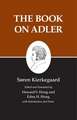 Preț: 451.85 lei
 -
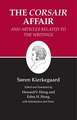 Preț: 305.84 lei
 - 19%
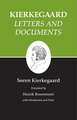 Preț: 567.31 lei
 - 19%
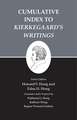 Preț: 437.74 lei
 -
 Preț: 334.27 lei
 -
 Preț: 316.56 lei
 -
 Preț: 324.64 lei
 -
 Preț: 316.39 lei
 -
 Preț: 279.42 lei
Preț: 386.51 lei
Nou
Puncte Express: 580
Preț estimativ în valută:
68.38€ • 79.79$ • 59.79£
68.38€ • 79.79$ • 59.79£
Carte tipărită la comandă
Livrare economică 16-30 ianuarie 26
Livrare express 12-18 decembrie pentru 91.26 lei
Preluare comenzi: 021 569.72.76
Specificații
ISBN-13: 9780691020495
ISBN-10: 0691020493
Pagini: 808
Dimensiuni: 139 x 216 x 51 mm
Greutate: 1 kg
Editura: Princeton University Press
Seria Kierkegaard's Writings
Locul publicării:Princeton, United States
ISBN-10: 0691020493
Pagini: 808
Dimensiuni: 139 x 216 x 51 mm
Greutate: 1 kg
Editura: Princeton University Press
Seria Kierkegaard's Writings
Locul publicării:Princeton, United States
V-ar putea interesa
-
 Frege's TheoremRichard G. HeckPreț: 251.48 lei
 -
 The Oxford Handbook of WittgensteinOskari Kuusela-24%Preț: 289.51 lei380.16 lei
 -
 Wittgenstein and Natural ReligionGordon Graham-24%Preț: 455.10 lei597.88 lei
 -
 British Ethical Theorists from Sidgwick to EwingThomas Hurka-31%Preț: 390.81 lei563.47 lei
 -
 Attack upon ChristendomSøren KierkegaardPreț: 336.52 lei
 -
 The Dehumanization of Art and Other Essays on Art, Culture, and LiteratureJosé Ortega Y GassetPreț: 212.35 lei
 -
 Preț: 334.27 lei
 -
 W. V. QuineAlex OrensteinPreț: 355.21 lei
 -
 Kant and the Early ModernsDaniel GarberPreț: 392.58 lei
 -
 Preț: 305.84 lei
 -
 Preț: 456.09 lei
 -
 Kierkegaard`s Writings, XVIII, Volume 18 – Without AuthoritySøren KierkegaardPreț: 380.22 lei
 -
 Kierkegaard`s Writings, XXII, Volume 22 – The Point of ViewSøren KierkegaardPreț: 324.64 lei
 -
 Kierkegaard`s Writings, XXIII, Volume 23 – The Moment and Late WritingsSøren Kierkegaard-19%Preț: 442.98 lei546.89 lei
 -
 Kierkegaard`s Writings, XXIV, Volume 24 – The Book on AdlerSøren KierkegaardPreț: 451.85 lei
 -
 Freud, the Reluctant PhilosopherAlfred I. TauberPreț: 257.49 lei
 -
 Preț: 145.19 lei
 -
 Carl SchmittReinhard Mehring-19%Preț: 455.32 lei562.13 lei
 -
 Preț: 151.86 lei
 -
 Preț: 138.96 lei
 -
 Die Geburt der Philosophie im Garten der LüsteWilhelm SchmidPreț: 98.39 lei
Descriere
Offers a poetic example of Kierkegaard's vision of the three stages, or spheres, of existence: the esthetic, the ethical, and the religious. This book begins with a banquet scene patterned on Plato's "Symposium". Next is a discourse by "Judge William" in praise of marriage "in answer to objections."