Cantitate/Preț
Produs

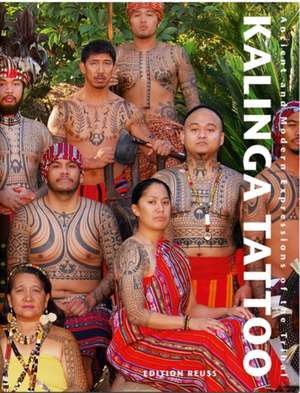
Kalinga Tattoo: Ancient & Modern Expressions of the Tribal

Autor Lars Krutak
de Limba Germană Hardback – 2 aug 2010

În volumul Kalinga Tattoo, pătrundem într-un univers marcat de supraviețuirea unei tradiții de peste un mileniu: arta tatuajului tribal din munții îndepărtați ai Filipinelor. Într-o epocă a globalizării, această lucrare semnată de antropologul Lars Krutak devine un document vizual și etnograifc esențial, capturând ultimele ecouri ale unei culturi în care pielea servește drept arhivă a onoarei și identității. Observăm cum structura cărții împletește rigoarea cercetării cu sensibilitatea artistică, oferind peste 334 de fotografii color ce documentează nu doar motivele geometrice complexe, ci și chipurile celor care le poartă.

Experiența de lectură este una profund imersivă, purtându-ne de la întâlnirea emoționantă cu legendara artistă Whang-Od, până la analizele detaliate ale simbolismului războinic. Găsim aici o continuitate tematică cu lucrările anterioare ale autorului, precum The World Atlas of Tattoo sau Tattoo Traditions of Asia, însă Kalinga Tattoo se distinge prin focalizarea microscopică asupra unei singure comunități. Dacă în lucrările sale precedente Lars Krutak cartografia fenomenul la nivel global, aici el alege profunzimea, trăind alături de maeștrii tatuatori pentru a înțelege ritualurile de sacrificiu și cântecele vechi care însoțesc fiecare înțepătură de spin.

Colecționarii care au apreciat Schamanismus und Tantra in Nepal vor găsi aici aceeași calitate de reproducere și aceeași dedicație pentru documentarea unor practici spirituale vii, dar fragile. Kalinga Tattoo nu este doar un catalog de modele pentru artiștii contemporani, ci o mărturie despre reziliența culturală, ilustrând cum vechile designuri „batok” sunt reinterpretate astăzi de noile generații pentru a ancora identitatea modernă în rădăcini ancestrale. Este o incursiune rară într-o lume unde arta corporală este inseparabilă de istoria sacră a tribului.

Citește tot Restrânge

Preț: 56623 lei

Preț vechi: 76861 lei
-26%

Puncte Express: 849

Carte disponibilă

Livrare economică 09-23 mai
Livrare express 25 aprilie-01 mai pentru 8321 lei


Specificații

ISBN-13: 9783934020863
ISBN-10: 3934020860
Pagini: 424
Ilustrații: 334+ colour photos
Dimensiuni: 315 x 245 x 53 mm
Greutate: 2.82 kg
Editura: EDITION REUSS
Colecția Edition Reuss (D)
Locul publicării:Germany

De ce să citești această carte

Această lucrare este indispensabilă artiștilor tatuatori și pasionaților de antropologie care doresc să înțeleagă rădăcinile spirituale ale tatuajului tribal. Cititorul câștigă acces la un tezaur de motive vizuale autentice și povești de viață nespuse, salvate de la uitare. Este o oportunitate rară de a studia tehnica și biografia legendarei Whang-Od, totul într-o ediție de lux, bogat ilustrată, care onorează o tradiție de un mileniu.


Descriere

Text in English & German. This is a photographic masterpiece that explores the vanishing art of Kalinga tribal tattooing in the remote mountains of the northern Philippines. Combining the visionary talents of numerous international photographers and the words and stories of nearly fifty Kalinga elders, Kalinga Tattoo is the first book to tell the story of this incredibly rich tradition of indigenous body art that is believed to be 1,000 years old. Here's a rare trove of tattoo motifs, variations and interpretations which can reveal new perspectives for every interested tattooist. The journey begins with tattoo anthropologist Dr Lars Krutak's first encounter with the last Kalinga tattoo artist, the 91-year-old Whang-Od, and is followed by the moving poetry and song of tattooed Kalinga author and elder Natividad Sugguiyao. Sugguiyao's narratives provide an insider's perspective regarding the history and significance of Kalinga batok (tattoo), and they establish new ways of reading the messages encoded in this ancient art form of the skin. Krutak continues with an historical exploration entitled "History of Kalinga Tattoo Art" that focuses on those cultural institutions that were deeply intertwined with Kalinga tattooing itself. Dramatic images of tattooed men and women taken over the last 100 years and colourful village scenes and landscapes accentuate the chapter. Lars' detailed study into the significance of Kalinga tattooing proceeds with an illustrated discussion of the artistic motifs that comprise Kalinga tattoo art. This chapter, "Kalinga Tattooing Motifs" is an absolute must read for anyone seeking knowledge (spiritual or otherwise) of the real roots of tribal tattooing practices that are largely disappearing around the world today. Because warrior culture, headhunting, and religious ritual permeated nearly every facet of Kalinga tattooing practice, "Warrior Culture of the Kalinga" focuses on these customs. Krutak recounts his experiences with Kalinga warriors (old and new) and breathes life into long-forgotten Kalinga literature revolving around human sacrifice and other ceremonies associated with the human hunt. The nature of the research is outstanding and wonderfully detailed, and the words (and actions) of his Kalinga informants are truly unforgettable. What follows these texts is a remarkably beautiful photographic exhibition of the last generation of Kalinga warriors in vivid colour who earned their tattoos on the field of battle. "The Last Kalinga Tattoo Artist" looks at the life and work of Whang-Od, the last Kalinga mambabatok or tattooist, who dedicated her life to the art of her ancestors. Krutak, who lived with the master artisan for nearly two weeks, exposes for the first time in history the biography of this unique woman who for over seventy years has plied the skins of countless generations of Kalinga men and women with thorns and other natural tools. Finally, "Mark of the Four Waves Tribe" documents the artistic achievements of a growing number of young Filipino-Americans who since 1998 have each made a conscious individual effort to revive the indigenous tattooing traditions of the Kalinga and other tribal peoples of the Philippines. Whether through hand-tapping, hand-poking, or machined work, the Tribe's dedication to "The Movement" has resulted in the revitalisation of timeworn tribal designs with new design concepts that are beginning to approach the longstanding accomplishments of Polynesian artists who guided the tattoo renaissance across the Pacific in the early 1980s. For Krutak and Sugguiyao, the Tribe represents the very best of contemporary tribal tattoo culture because they dynamically express the enduring strength of time-tested indelible traditions that firmly anchor indigenous and modern concepts of identity on the skin for all to see.