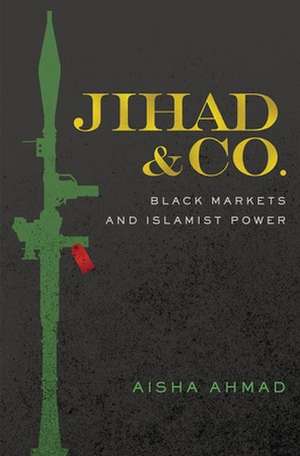
Jihad & Co.
Autor Aisha Ahmaden Limba Engleză Paperback – mai 2019
| Toate formatele și edițiile | Preț | Express |
|---|---|---|
| Paperback (1) | 255.99 lei 22-36 zile | |
| Oxford University Press – mai 2019 | 255.99 lei 22-36 zile | |
| Hardback (1) | 230.65 lei 40-51 zile | |
| Oxford University Press – 26 oct 2017 | 230.65 lei 40-51 zile |
Preț: 255.99 lei
Puncte Express: 384
Preț estimativ în valută:
45.24€ • 53.23$ • 39.49£
45.24€ • 53.23$ • 39.49£
Carte disponibilă
Livrare economică 16-30 martie
Specificații
ISBN-13: 9780190067939
ISBN-10: 0190067934
Pagini: 336
Dimensiuni: 156 x 233 x 22 mm
Greutate: 0.5 kg
Editura: Oxford University Press
ISBN-10: 0190067934
Pagini: 336
Dimensiuni: 156 x 233 x 22 mm
Greutate: 0.5 kg
Editura: Oxford University Press
V-ar putea interesa
-
 China Modernizes: Threat to the West or Model for the Rest?Randall PeerenboomPreț: 255.79 lei
 -
 -41%Preț: 253.10 lei431.01 lei
 -
 -22%Preț: 504.84 lei650.16 lei
 -
 The State of the European Union, 6: Law, Politics, and SocietyTanja A. Börzel-19%Preț: 254.28 lei314.75 lei
 -
 -7%Preț: 355.42 lei383.98 lei
 -
 -18%Preț: 443.53 lei540.96 lei
 -
 -19%Preț: 355.56 lei439.89 lei
 -
 -14%Preț: 328.55 lei382.38 lei
 -
 Preț: 125.93 lei
 -
 -27%Preț: 110.28 lei150.46 lei
 -
 Intercept: The Secret History of Computers and SpiesGordon CoreraPreț: 103.47 lei
 -
 -23%Preț: 109.29 lei141.13 lei
 -
 China and the West: Hope and Fear in the Age of AsiaFokke Obbema-23%Preț: 157.22 lei202.92 lei
 -
 Selling the FutureAriel Colonomos-23%Preț: 227.41 lei296.25 lei
 -
 -37%Preț: 42.26 lei67.09 lei
Notă biografică
Aisha Ahmad is an Assistant Professor of Political Science at the University of Toronto.
Descriere
Descriere de la o altă ediție sau format:
The rise of militant jihadist groups is one of the greatest international security crises in the world today. In civil wars across the modern Muslim world, Islamist groups have emerged out of the ashes, surged dramatically to power, and routed their rivals on the battlefield. From North Africa to the Middle East to South Asia, these jihadist groups have seized large swaths of territory and consolidated political control over disparate ethnic and tribal communities. Out of the most broken and ungovernable places on earth, they have built radical new jihadist proto-states out of enduring anarchy. Why have these ideologically-inspired Islamists been able to build state-like polities out of enduring civil war stalemate, while so many other powerful armed groups have failed to gain similar traction? What makes jihadists win? In Jihad & Co., Aisha Ahmad argues that there are hard economic reasons behind Islamist success. By tracking the financial origins of jihadists in Afghanistan, Somalia, Pakistan, Mali, and Iraq she uncovers the secret role an important but often-overlooked class plays in bringing Islamist groups to power: the local business community. To uncover the hidden nexus between business and Islamist interests in civil war, Ahmad journeys into war-torn bazaars to meet with these jihadists and the smugglers who financed their rise to power. From the arms markets in the Pakistani border region to the street markets of Mogadishu, their stories reveal a powerful economic logic behind the rise of Islamist power in civil wars. Behind the fiery rhetoric and impassioned ideological claims is the cold hard cash of the local war economy. By bringing the reader from the mosque to the market, Ahmad explains exactly why business, far more than religion, explains the rise of militant Islamist power across the modern Muslim world.
The rise of militant jihadist groups is one of the greatest international security crises in the world today. In civil wars across the modern Muslim world, Islamist groups have emerged out of the ashes, surged dramatically to power, and routed their rivals on the battlefield. From North Africa to the Middle East to South Asia, these jihadist groups have seized large swaths of territory and consolidated political control over disparate ethnic and tribal communities. Out of the most broken and ungovernable places on earth, they have built radical new jihadist proto-states out of enduring anarchy. Why have these ideologically-inspired Islamists been able to build state-like polities out of enduring civil war stalemate, while so many other powerful armed groups have failed to gain similar traction? What makes jihadists win? In Jihad & Co., Aisha Ahmad argues that there are hard economic reasons behind Islamist success. By tracking the financial origins of jihadists in Afghanistan, Somalia, Pakistan, Mali, and Iraq she uncovers the secret role an important but often-overlooked class plays in bringing Islamist groups to power: the local business community. To uncover the hidden nexus between business and Islamist interests in civil war, Ahmad journeys into war-torn bazaars to meet with these jihadists and the smugglers who financed their rise to power. From the arms markets in the Pakistani border region to the street markets of Mogadishu, their stories reveal a powerful economic logic behind the rise of Islamist power in civil wars. Behind the fiery rhetoric and impassioned ideological claims is the cold hard cash of the local war economy. By bringing the reader from the mosque to the market, Ahmad explains exactly why business, far more than religion, explains the rise of militant Islamist power across the modern Muslim world.
Recenzii
The book is at its best in the historical narrative sections, which are peppered with quotations from insiders whom the author has interviewed in person... For economists and political scientists, the book's main focus on financial and/or power incentives of various parties is a welcome application of rational choice theory in policy and cultural debates about the problem of militant Islamism. It accomplishes this task well.