
Imperial Mud
Autor James Boyceen Limba Engleză Paperback – 8 apr 2021
Considerăm Imperial Mud o monografie istorică esențială care reevaluează radical mitul progresului tehnologic în Anglia modernă timpurie. James Boyce propune o perspectivă provocatoare asupra transformării regiunii Fens din estul Angliei, nu ca pe o victorie a civilizației asupra naturii, ci ca pe o campanie de colonizare internă. Formatul acestui volum în ediție paperback documentează lupta populației indigene „Fennish” pentru păstrarea unui ecosistem unic, care le asigura independența economică și culturală. Notăm cu interes modul în care autorul integrează elemente de istorie socială și ecologie, descriind o lume în care țiparii serveau drept monedă și mlaștinile reprezentau ultimul spațiu de libertate în fața unui stat tot mai centralizat. Cartea extinde cadrul propus de The Draining of the Fens de Eric H Ash cu date noi despre rezistența activă a localnicilor, mutând accentul de pe ingineria hidrologică spre impactul uman și social. Dacă Ash se concentrează pe mecanismele statului și ale investitorilor, Boyce oferă voce celor care au practicat sabotajul sub masca meciurilor de „Fen football”. Această lucrare continuă preocuparea autorului pentru relația dintre om și mediul înconjurător, temă explorată anterior în Van Diemen's Land, unde a analizat modul în care natura a modelat identitatea deținutulor din Australia. Imperial Mud nu este doar o cronică a unei pierderi ecologice, ci o analiză critică a modului în care puterea politică rescrie peisajul și identitatea națională.
Preț: 77.71 lei
Carte disponibilă
Livrare economică 02-16 noiembrie
Livrare express 16-22 octombrie pentru 19.93 lei
Specificații
ISBN-10: 1785787152
Pagini: 272
Dimensiuni: 127 x 195 x 18 mm
Greutate: 0.22 kg
Editura: Icon Books
Locul publicării:London, United Kingdom
V-ar putea interesa
-
 Who Owns England?Guy ShrubsolePreț: 79.99 lei
 -
 Fen, Bog and SwampAnnie ProulxPreț: 70.82 lei
 -
 Our Island StoriesCorinne FowlerPreț: 92.81 lei
 -
 A History of England in 25 PoemsCatherine ClarkePreț: 193.41 lei
 -
 Sly, R: Fenland FamiliesRex SlyPreț: 108.27 lei
 -
 The Lost FensIan D RotherhamPreț: 184.00 lei
 -
 The Killing AgeClifton CraisPreț: 142.17 lei
 -
 -25%Preț: 106.72 lei143.09 lei
 -
 -26%Preț: 99.39 lei135.09 lei
 -
 Rot: An Imperial History of the Irish FaminePadraic X. Scanlan-26%Preț: 91.34 lei123.18 lei
 -
 WoodstonJohn Lewis-Stempel-19%Preț: 63.40 lei78.09 lei
 -
 Fenland NatureSimon StirrupPreț: 269.04 lei
 -
 Common PeopleLeah GordonPreț: 211.67 lei
 -
 We Are Green and TremblingGabriela Cabezón CámaraPreț: 135.73 lei
 -
 The Fens: Discovering England's Ancient DepthsFrancis Pryor-25%Preț: 54.53 lei72.28 lei
 -
 A Fenland GardenFrancis Pryor-25%Preț: 70.92 lei94.66 lei
 -
 -23%Preț: 73.72 lei96.30 lei
 -
 -18%Preț: 87.69 lei107.20 lei
 -
 The Anglo-Saxon FenlandSusan OosthuizenPreț: 306.74 lei
 -
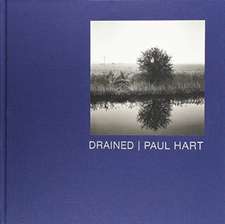 DrainedPaul Hart-24%Preț: 222.09 lei293.93 lei
De ce să citești această carte
Recomandăm această carte cititorilor pasionați de istorie socială și ecologie politică. Imperial Mud oferă o perspectivă rară asupra modului în care „progresul” poate distruge comunități sustenabile. Veți descoperi o Anglie necunoscută, a mlaștinilor sălbatice și a unei rezistențe dârze împotriva autorității, totul scris cu rigoarea unui istoric premiat și talentul unui povestitor care știe să dea viață peisajului.
Despre autor
James Boyce este un istoric australian multi-premiat, cunoscut pentru abordările sale originale asupra istoriei coloniale și a relației dintre societate și mediu. Lucrarea sa 1835 a fost desemnată Age Book of the Year, iar Van Diemen's Land a transformat înțelegerea istoriei timpurii a Tasmaniei. Prin Imperial Mud, Boyce își aplică expertiza în analiza proceselor de deposedare și transformare a peisajului asupra contextului britanic, demonstrând o continuitate tematică între colonialismul extern și cel intern. Opera sa este marcată de o critică constantă a miturilor economice și a impactului lor asupra lumii naturale.
Descriere scurtă
**LONGLISTED FOR THE RSL ONDAATJE PRIZE 2021**
'A real page-turner ... a warning about what happens when the rich and powerful dress up their avarice as "progress" - a lesson we could do with learning today.' Dixe Wills, BBC Countryfile magazine
FROM A MULTI-AWARD-WINNING HISTORIAN, AN ARRESTING NEW HISTORY OF THE BATTLE FOR THE FENS.
Between the English Civil Wars and the mid-Victorian period, the proud indigenous population of the Fens of eastern England fought to preserve their homeland against an expanding empire. After centuries of resistance, their culture and community were destroyed, along with their wetland home – England’s last lowland wilderness. But this was no simple triumph of technology over nature – it was the consequence of a newly centralised and militarised state, which enriched the few while impoverishing the many.
In this colourful and evocative history, James Boyce brings to life not only colonial masters such as Oliver Cromwell and the Dukes of Bedford but also the defiant ‘Fennish’ them- selves and their dangerous and often bloody resistance to the enclosing landowners. We learn of the eels so plentiful they became a kind of medieval currency; the games of ‘Fen football’ that were often a cover for sabotage of the drainage works; and the destruction of a bountiful ecosystem that had sustained the Fennish for thousands of years and which meant that they did not have to submit in order to survive.
Masterfully argued and imbued with a keen sense of place, Imperial Mud reimagines not just the history of the Fens, but the history and identity of the English people.
Notă biografică
Recenzii
| 'Like Patagonia, ‘the Fens’ has no precise border. This bountiful wetland on the English east coast is a region that most maps cover with a blank. In a masterful and painstaking act of retrieval, James Boyce reclaims the landscape of his fiercely independent forebears. The Fennish, like most indigenous people, left few written records – an absence that makes Imperial Mud even more valuable, as a celebration of their centuries-long resistance against drainage and enclosing landlords; and, above all, of their utterly passionate relationship with the ‘common' marsh through which they defined their identity.' |
'Boyce tells the tale with that rare but always winning combination of passion and scholarly vigour.'
'A real page-turner ... a warning about what happens when the rich and powerful dress up their avarice as "progress" - a lesson we could do with learning today.'
'Evocative and imaginatively argued'
'A wonderful example of history writing embedded in the narratives of place, in this instance the Fenlands of England and its people, both dramatically altered in the name of dubious progress.'
‘A lively, affectionate, colourful account of individuals from all walks of life living their lives and particularly standing up for themselves with passion, control and careful planning.’
‘In telling the story of the people and the lost wetlands, Boyce has provided robust scholarship and rigour which combines with passionate writing to bring the account to a wider audience. In short this volume is incredibly readable as well as being wonderfully entertaining, and not least, informative.’