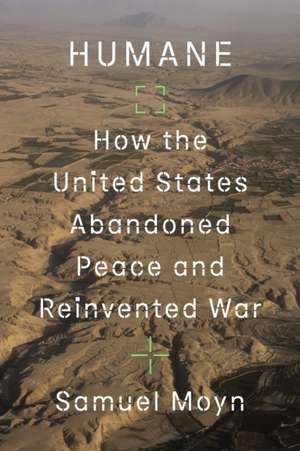
Humane
Autor Samuel Moynen Limba Engleză Hardback – 7 sep 2021
Considerăm că volumul Humane propune o perspectivă critică esențială prin abordarea sa interdisciplinară, situată la intersecția dintre istoria dreptului, etica militară și științele politice. Analiza lui Samuel Moyn nu se limitează la o cronică a conflictelor, ci investighează paradoxul moral al modernității: modul în care umanizarea violenței de stat a facilitat acceptarea unui „război nesfârșit”. Notăm cu interes cum autorul urmărește deplasarea centrului de greutate de la eforturile pacifiste de abolire a războiului din secolul al XIX-lea către reglementarea juridică a modului în care acesta este purtat astăzi.
Structura cărții este împărțită în două secțiuni fundamentale, „Brutality” și „Humanity”, sugerând o progresie de la violența explicită la cea mediată de tehnologie și norme legale. Prima parte examinează eșecurile pacificatorilor timpurii, în timp ce a doua parte se concentrează pe „pivotul vietnamez” și pe transformările radicale de după 11 septembrie 2001. Humane reprezintă o alternativă necesară la Humane Warfare de Christopher Coker pentru cursurile de relații internaționale și etică, oferind avantajul unei analize istorice mai vaste care leagă ideile lui Tolstoi de utilizarea actuală a dronelor.
În contextul operei sale, această lucrare continuă preocupările din The Right to Have Rights, unde Samuel Moyn chestiona fundamentele drepturilor universale. Dacă în lucrări anterioare se concentra pe criza liberalismului, aici demonstrează cum instrumentele acestui curent — legea și umanitarismul — au fost reinventate pentru a susține dominația militară globală. Rezultatul este un text dens, dar clar, care forțează cititorul să reevalueze dacă „războiul curat” reprezintă într-adevăr un progres civilizațional.
Preț: 207.51 lei
Carte indisponibilă temporar
Specificații
ISBN-10: 0374173702
Pagini: 416
Dimensiuni: 162 x 236 x 38 mm
Greutate: 0.64 kg
Editura: Farrar, Straus and Giroux
V-ar putea interesa
-
 The Better Angels of Our NatureSteven Pinker-20%Preț: 115.76 lei145.49 lei
 -
 The InternationalistsOona Hathaway-27%Preț: 89.02 lei121.64 lei
 -
 The Language of WarOleksandr Mykhed-30%Preț: 107.57 lei154.07 lei
 -
 DriftRachel MaddowPreț: 101.55 lei
 -
 -14%Preț: 133.64 lei156.24 lei
 -
 HomelandRichard BeckPreț: 212.27 lei
 -
 The Myth of American IdealismNoam ChomskyPreț: 87.75 lei
 -
 A World of EnemiesOsamah F KhalilPreț: 216.58 lei
 -
 -26%Preț: 67.34 lei91.13 lei
 -
 War Without Mercy: Liberty or Death in the American RevolutionMark Edward Lender-31%Preț: 129.71 lei187.10 lei
 -
 Preț: 112.73 lei
 -
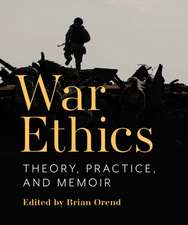 War Ethics: Theory, Practice, and MemoirBrian Orend-24%Preț: 459.58 lei606.22 lei
 -
 -18%Preț: 112.57 lei136.70 lei
 -
 The Art of War and PeaceDavid KilcullenPreț: 189.16 lei
 -
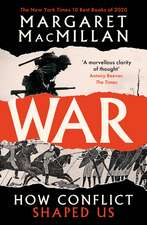 War: How Conflict Shaped UsProfessor Margaret MacMillan-19%Preț: 75.18 lei92.43 lei
 -
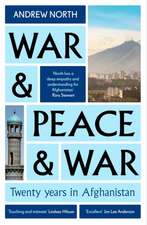 War & Peace & WarAndrew NorthPreț: 92.04 lei
 -
 Reconceptualizing WarBen ZweibelsonPreț: 279.73 lei
 -
 Perpetual War for Perpetual PeaceGore VidalPreț: 71.44 lei
 -
 Solferino 21Hugo Slim-16%Preț: 89.28 lei106.54 lei
 -
 War and Peace in Ukraine and in GazaRobin LuckhamPreț: 346.39 lei
De ce să citești această carte
Recomandăm această carte cercetătorilor și studenților în științe politice care doresc să înțeleagă de ce intervențiile militare contemporane par să nu se mai sfârșească. Cititorul va câștiga o perspectivă critică asupra modului în care limbajul drepturilor omului poate fi utilizat pentru a justifica prezența militară permanentă. Este un instrument teoretic indispensabil pentru a descifra mecanismele din spatele politicilor de securitate ale marilor puteri.
Despre autor
Samuel Moyn este profesor de istorie și drept la Columbia University, fiind recunoscut ca unul dintre cei mai influenți istorici contemporani ai drepturilor omului și ai gândirii politice moderne. Interesul său academic se concentrează pe transformările ideologice ale liberalismului și pe evoluția normelor internaționale în secolele XX și XXI. Prin lucrările sale, Moyn a redefinit modul în care mediul academic raportează istoria dreptului la realitățile politice dure, transformând subiecte tehnice în dezbateri publice de impact despre moralitate și putere.
Descriere
A prominent historian exposes the dark side of making war more humane
In the years since 9/11, we have entered an age of endless war. With little debate or discussion, the United States carries out military operations around the globe. It hardly matters who's president or whether liberals or conservatives operate the levers of power. The United States exercises dominion everywhere.
In Humane: How the United States Abandoned Peace and Reinvented War, Samuel Moyn asks a troubling but urgent question: What if efforts to make war more ethical--to ban torture and limit civilian casualties--have only shored up the military enterprise and made it sturdier? To advance this case, Moyn looks back at a century and a half of passionate arguments about the ethics of using force. In the nineteenth century, the founders of the Red Cross struggled mightily to make war less lethal even as they acknowledged its inevitability. Leo Tolstoy prominently opposed their efforts, reasoning that war needed to be abolished, not reformed--and over the subsequent century, a popular movement to abolish war flourished on both sides of the Atlantic. Eventually, however, reformers shifted their attention from opposing the crime of war to opposing war crimes, with fateful consequences.
The ramifications of this shift became apparent in the post-9/11 era. By that time, the US military had embraced the agenda of humane war, driven both by the availability of precision weaponry and the need to protect its image. The battle shifted from the streets to the courtroom, where the tactics of the war on terror were litigated but its foundational assumptions went without serious challenge. These trends only accelerated during the Obama and Trump presidencies. Even as the two administrations spoke of American power and morality in radically different tones, they ushered in the second decade of the "forever" war.
Humane is the story of how America went off to fight and never came back, and how armed combat was transformed from an imperfect tool for resolving disputes into an integral component of the modern condition. As American wars have become more humane, they have also become endless. This provocative book argues that this development might not represent progress at all.
Notă biografică
Cuprins
PART I: Brutality
1. The Warning
2. Blessed Are the Peacemakers
3. Laws of Inhumanity
4. Air War and America's Brutal Peace
PART II: Humanity
5. The Vietnamese Pivot
6. "Cruelty Is the Worst Thing We Do"
7. The Road to Humanity After September 11
8. The Arc of the Moral Universe
Epilogue
Appendix: Making American War Humane, 1863-
Notes
Acknowledgments
Index