
Hugo, V: Man Who Laughs
en Paperback
Ce se întâmplă atunci când fața unui om este transformată, prin decret regal, într-o mască a râsului etern, în timp ce sufletul său poartă povara întregii suferințe umane? Ne-a atras atenția această explorare viscerală a Angliei dintre anii 1688 și 1705, o perioadă de tranziție politică și socială profundă, pe care Victor Hugo o reconstruiește cu o forță narativă copleșitoare. Scris în timpul lungului său exil pe insula Guernsey, Man Who Laughs nu este doar un roman istoric, ci o alegorie tăioasă despre opresiune și democrație. Premisa este pe cât de crudă, pe atât de fascinantă: Gwynplaine, un tânăr mutilat în copilărie pentru a servi drept divertisment grotesc, este smuls din viața sa de saltimbanc și aruncat în centrul puterii, ca membru al aristocrației. Considerăm că forța acestui text rezidă în ironia amară a destinului său: vocea unui om care a trăit la marginea societății ajunge să răsune în Camera Lorzilor, punând sub acuzație privilegiile celor bogați. Ritmul narativ este susținut de o structură pe care Robert Louis Stevenson o descria ca având o „ingeniozitate aproape morbidă”, unde fiecare element, de la scrisoarea purtată de valuri timp de ani de zile până la râsul silit al protagonistului, servește unei critici sociale necruțătoare. Stilul lui Hugo, bogat și plin de antiteze, transformă suferința individuală într-un simbol al rezistenței colective, oferind o lectură care rămâne, peste secole, o mărturie despre demnitatea umană în fața sistemelor opresive.
Preț: 243.91 lei
Cartea nu mai face parte din oferta noastră
Specificații
V-ar putea interesa
-
 Robinson CrusoeDaniel DefoePreț: 28.01 lei
 -
 Notre-Dame de ParisVictor Hugo-24%Preț: 61.85 lei80.85 lei
 -
 Cyrano de BergeracEdmond RostandPreț: 49.41 lei
 -
 CandideVoltairePreț: 32.27 lei
 -
 The Hunchback of Notre DameVictor HugoPreț: 38.13 lei
 -
 The Memoirs of Victor HugoVictor HugoPreț: 52.86 lei
 -
 Toilers of the SeaVictor HugoPreț: 63.91 lei
 -
 Preț: 138.78 lei
 -
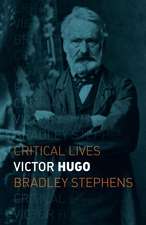 Victor HugoBradley Stephens-17%Preț: 88.80 lei106.87 lei
 -
 The Last Day of a Condemned ManVictor HugoPreț: 46.84 lei
 -
 Les Misérables Volume TwoVictor HugoPreț: 38.00 lei
 -
 Les Misérables Volume OneVictor HugoPreț: 31.12 lei
 -
 Classics Illustrated 7Victor HugoPreț: 57.23 lei
 -
 -12%Preț: 95.65 lei108.16 lei
 -
 Les MisérablesVictor Hugo-33%Preț: 57.96 lei86.90 lei
 -
 Astonishing ThingsGerard AudinetPreț: 285.13 lei
 -
 LES MISERABLES JEAN VALJEAN ABRIDGED FORVictor HugoPreț: 90.54 lei
 -
 LES MISERABLES COSETTE ABRIDGED FOR YOUNVictor HugoPreț: 90.23 lei
De ce să citești această carte
Recomandăm această ediție cititorilor pasionați de beletristică istorică și critică socială. Este o oportunitate de a descoperi o operă mai densă și mai sumbră decât faimoasele „Mizerabilele”, oferind o perspectivă unică asupra luptei de clasă prin ochii unui protagonist de neuitat. Veți câștiga o înțelegere mai profundă a geniului lui Hugo într-un context politic englezesc riguros documentat.
Despre autor
Victor Hugo (1802–1885) a fost figura centrală a romantismului francez, un scriitor prolific a cărui carieră a acoperit peste șase decenii. Deși este universal recunoscut pentru Les Misérables și The Hunchback of Notre-Dame, Hugo a fost și un artist vizual talentat, producând mii de desene, și un politician implicat. Man Who Laughs, scris în timpul exilului său din Franța, reflectă maturitatea sa artistică și obsesia pentru justiție socială. Opera sa îmbină adesea grotescul cu sublimul, transformând marginalii societății în eroi tragici de o profunzime inegalabilă.