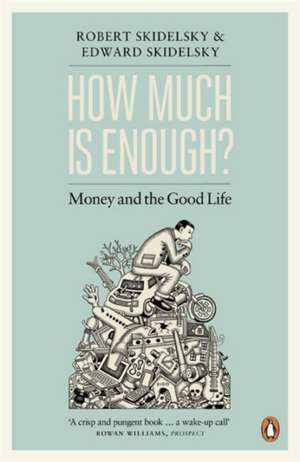
How Much is Enough?
Autor Edward Skidelsky, Robert Skidelskyen Limba Engleză Paperback – 5 sep 2013
După lectura acestei lucrări, veți fi capabili să reevaluați fundamental relația dintre veniturile proprii și timpul liber, dobândind instrumentele intelectuale necesare pentru a defini pragul personal de 'suficient'. Notăm cu interes modul în care How Much is Enough? demontează eroarea de calcul a lui John Maynard Keynes, care anticipa în 1930 că nepoții săi vor lucra doar 15 ore pe săptămână. Deși productivitatea a crescut conform previziunilor, autorii explică de ce nevoile noastre au rămas aparent nesatisfăcute, împingându-ne spre o muncă neîncetată pentru acumulare. Suntem de părere că forța acestui text rezidă în colaborarea dintre Edward Skidelsky, un filosof, și Robert Skidelsky, reputat economist și biograf al lui Keynes. Această sinergie transformă economia dintr-o disciplină aridă a cifrelor într-o 'știință morală'. Abordarea diferă de Revisiting Keynes – Economic Possibilities for our Grandchildren prin caracterul său mai puțin abstract și mult mai aplicabil; în timp ce volumul editat de Lorenzo Pecchi rămâne într-o sferă de dezbatere academică între economiști, lucrarea de față oferă o foaie de parcurs etică pentru individul modern. În contextul operei autorilor, cartea reprezintă o evoluție naturală a preocupărilor lui Robert Skidelsky față de moștenirea keynesiană, vizibile și în Keynes for Our Times, însă aici accentul se mută de la politicile macroeconomice spre calitatea vieții cotidiene. Textul recuperează tradiția filosofică de la Aristotel la Marx pentru a sublinia că scopul economiei nu este creșterea infinită, ci facilitarea 'vieții bune'. Este o lectură cu un ritm susținut, care provoacă cititorul să se întrebe de ce continuăm să prețuim utilul deasupra binelui, într-o societate a abundenței care se simte, paradoxal, tot mai goală.
Preț: 64.02 lei
Preț vechi: 92.81 lei
-31%
Carte disponibilă
Livrare economică 12-18 noiembrie
Livrare express 24-30 octombrie pentru 48.33 lei
Specificații
ISBN-10: 0241953898
Pagini: 272
Dimensiuni: 126 x 195 x 20 mm
Greutate: 0.2 kg
Editura: Penguin Books
Locul publicării:London, United Kingdom
V-ar putea interesa
-
 Why Grow Up?Susan Neiman-31%Preț: 63.77 lei92.64 lei
 -
 John Maynard KeynesRobert SkidelskyPreț: 253.71 lei
 -
 A Little History of EconomicsNiall KishtainyPreț: 88.80 lei
 -
 A Little History of EconomicsNiall KishtainyPreț: 87.28 lei
 -
 Harris, M: All We WantMichael HarrisPreț: 105.52 lei
 -
 ConsciencePatricia ChurchlandPreț: 115.01 lei
 -
 Affluent Society, TheJohn Kenneth GalbraithPreț: 106.97 lei
 -
 The Measure of ProgressDiane CoylePreț: 176.49 lei
 -
 Prince or PauperPeter YachimskiPreț: 65.97 lei
 -
 Beyond Wealth - The Road Map to a Rich LifeAlexander GreenPreț: 167.31 lei
 -
 LoadedSarah NewcombPreț: 156.11 lei
 -
 The Gone Fishin' PortfolioAlexander GreenPreț: 156.89 lei
 -
 Preț: 268.46 lei
 -
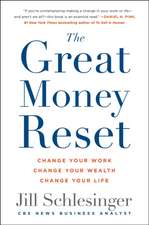 The Great Money ResetJill SchlesingerPreț: 162.45 lei
 -
 Great Money ResetJill SchlesingerPreț: 100.31 lei
 -
 Preț: 111.22 lei
 -
 -26%Preț: 59.01 lei79.46 lei
 -
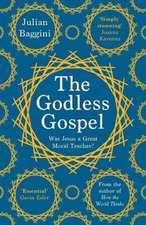 The Godless GospelJulian BagginiPreț: 69.29 lei
 -
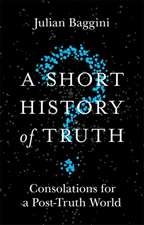 -29%Preț: 64.24 lei90.18 lei
 -
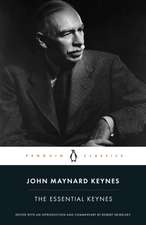 The Essential KeynesJohn Maynard Keynes-16%Preț: 80.11 lei95.93 lei
 -
 The Art of Spending MoneyMorgan HouselPreț: 122.61 lei
De ce să citești această carte
Recomandăm această carte oricărui profesionist care simte că succesul financiar nu se traduce automat în satisfacție personală. Veți câștiga o perspectivă istorică și filosofică asupra consumismului și, mai important, o bază argumentată pentru a decide unde se termină necesitatea și unde începe excesul. Este ghidul esențial pentru a recupera timpul liber ca resursă de preț, nu ca pierdere economică.
Despre autor
Edward Skidelsky este lector de filosofie la Universitatea din Exeter și un colaborator constant al publicațiilor britanice de prestigiu precum Prospect și New Statesman. Interesele sale academice vizează istoria conceptelor morale, temă explorată și în lucrarea sa Moral Concepts and their History. Robert Skidelsky, tatăl său, este un istoric economic renumit, cunoscut la nivel mondial ca principalul biograf al lui John Maynard Keynes. Împreună, cei doi combină rigoarea analizei economice cu profunzimea eticii filosofice pentru a adresa problemele structurale ale capitalismului contemporan.
Notă biografică
Edward Skidelsky is a lecturer in philosophy at the University of Exeter. He is author of Ernst Cassirer: The Last Philosopher of Culture and contributes regularly to the New Statesman and Prospect. He is currently working on a book entitled The Language of the Virtues.
Recenzii
"How much is enough?" is a good question. Anyone who sets store by capitalism and markets will find [this] book uncomfortable reading. It should be read all the same
A truly innovative and radical perspective on reshaping the economy ... thought-stirring and extremely refreshing
A welcome call to reinvigorate society's ethical aspect and bring about the good life for everyone
In their thoughtful book, the Skidelskys move seamlessly from the abstract to the concrete; from philosophy to public policy. They note that Keynes's futuristic essay was ignored as the world sank into the Great Depression. Will we again ignore this call to imagine a better future?
Descriere scurtă
Robert and Edward Skidelsky argue that wealth is not - or should not be - an end in itself, but a means to 'the good life'. Tracing the concept from Aristotle to the present, they show how far modern life has strayed from that ideal. They reject the idea that there is any single measure of human progress, whether GDP or 'happiness', and instead describe the seven elements which, they argue, make up the good life, and the policies that could realize them.
ROBERT SKIDELSKY is Emeritus Professor of Political Economy at the University of Warwick. His biography of Keynes received numerous prizes, including the Lionel Gelber Prize and the Council on Foreign Relations Prize for International Relations. He was made a life peer in 1991, and a Fellow of the British Academy in 1994.
EDWARD SKIDELSKY is a lecturer in the Philosophy Department of the University of Exeter. He contributes regularly to the New Statesman, Spectator and Prospect. His previous books include The Conditions of Goodness and Ernst Cassirer: The Last Philosopher of Culture.