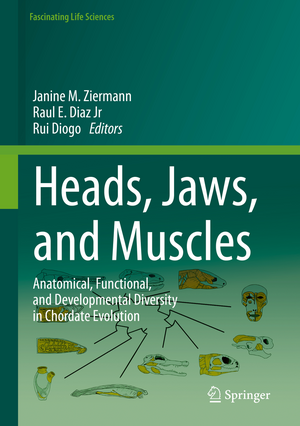
Heads, Jaws, and Muscles: Fascinating Life Sciences
Editat de Janine M. Ziermann, Raul E. Diaz Jr, Rui Diogoen Limba Engleză Hardback – 5 feb 2019
Ne-a atras atenția modul în care lucrarea Heads, Jaws, and Muscles reușește să sintetizeze date complexe de embriologie și paleontologie într-o structură logică, începând cu analiza originii mușchilor cardiofaringieni la cordate și culminând cu evoluția miologiei faciale la om. Această primă ediție, publicată de Springer, propune o abordare integrativă a capului vertebratelor — cea mai complexă parte a corpului animal — analizând cum feedback-ul senzorial și neural a modelat sistemul musculo-scheletic, în special în contextul inovației evolutive reprezentate de apariția fălcilor.
Structura volumului este riguros organizată pe grupuri taxonomice, oferind o perspectivă clară asupra tranziției de la mediul acvatic la cel terestru. Apreciem includerea datelor despre taxoni fosili, precum dinozaurii, care oferă contextul necesar pentru a înțelege diversificarea craniului. Lucrarea extinde cadrul propus de Muscles of Vertebrates cu date noi din cercetări recente de laborator și observații comparative extinse asupra lepidosaurilor și arhozaurilor. În contextul operei editorului Rui Diogo, această carte completează cercetările sale anterioare din Muscular and Skeletal Anomalies in Human Trisomy in an Evo-Devo Context, mutând accentul de la patologia umană către o perspectivă macro-evolutivă mult mai vastă.
Comparativ cu Feeding in Vertebrates, care se concentrează pe comportamentul trofic, Heads, Jaws, and Muscles pune accent pe omologiile structurale și pe conservarea tiparelor de dezvoltare embrionară. Este un instrument esențial pentru înțelegerea modului în care organele senzoriale majore s-au dezvoltat în strânsă asociație cu țesuturile înconjurătoare pentru a crea o unitate funcțională integrată. Textul echilibrează rigoarea științifică cu o prezentare accesibilă, fiind o referință solidă pentru curriculumul de biologie evolutivă și anatomie comparată.
Din seria Fascinating Life Sciences
- 18%
 Preț: 788.77 lei
- 24%
 Preț: 764.43 lei
- 18%
 Preț: 934.22 lei
-
 Preț: 465.45 lei
- 24%
 Preț: 668.50 lei
- 5%
 Preț: 887.83 lei
- 24%
 Preț: 1041.46 lei
- 18%
 Preț: 979.65 lei
- 15%
 Preț: 739.28 lei
- 15%
 Preț: 740.47 lei
-
 Preț: 521.03 lei
- 18%
 Preț: 700.10 lei
- 18%
 Preț: 699.73 lei
- 20%
 Preț: 522.73 lei
- 15%
 Preț: 700.48 lei
- 5%
 Preț: 624.70 lei
- 18%
 Preț: 753.87 lei
- 20%
 Preț: 637.78 lei
- 18%
 Preț: 760.75 lei
-
 Preț: 434.19 lei
- 20%
 Preț: 499.41 lei
-
 Preț: 423.91 lei
- 18%
 Preț: 760.65 lei
- 24%
 Preț: 838.43 lei
-
 Preț: 468.55 lei
- 18%
 Preț: 764.65 lei
- 15%
 Preț: 662.36 lei
- 24%
 Preț: 938.74 lei
- 24%
 Preț: 1246.03 lei
- 20%
 Preț: 661.47 lei
- 15%
 Preț: 529.09 lei
- 24%
 Preț: 639.45 lei
- 18%
 Preț: 782.32 lei
- 24%
 Preț: 749.16 lei
- 24%
 Preț: 682.63 lei
- 24%
 Preț: 802.41 lei
Preț: 734.44 lei
Preț vechi: 864.05 lei
-15%
Carte disponibilă
Livrare economică 16-30 noiembrie
Specificații
ISBN-10: 3319935593
Pagini: 320
Ilustrații: XIV, 303 p. 95 illus., 59 illus. in color.
Dimensiuni: 183 x 260 x 22 mm
Greutate: 0.81 kg
Ediția:1st ed. 2019
Editura: Springer
Colecția Fascinating Life Sciences
Seria Fascinating Life Sciences
Locul publicării:Cham, Switzerland
V-ar putea interesa
-
 Progress in Cell Cycle ResearchLaurent Meijer-15%Preț: 607.82 lei715.08 lei
-
 -18%Preț: 1413.05 lei1723.23 lei
-
 -18%Preț: 1489.64 lei1816.64 lei
-
 -18%Preț: 1414.78 lei1725.35 lei
-
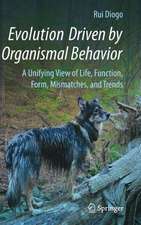 Evolution Driven by Organismal BehaviorRui DiogoPreț: 266.92 lei
-
 -15%Preț: 731.12 lei860.14 lei
-
 -18%Preț: 917.19 lei1118.52 lei
-
 Bioactive Egg CompoundsRainer Huopalahti-24%Preț: 1190.02 lei1565.81 lei
-
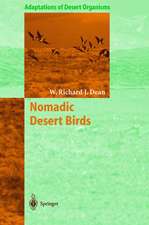 Nomadic Desert BirdsW. Richard J. Dean-18%Preț: 974.57 lei1188.50 lei
-
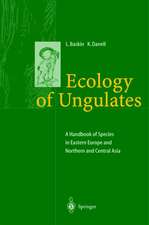 Ecology of UngulatesLeonid Baskin-18%Preț: 1268.99 lei1547.54 lei
-
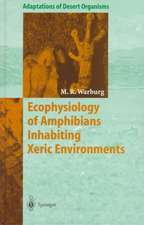 Ecophysiology of Amphibians Inhabiting Xeric EnvironmentsMichael Warburg-18%Preț: 980.01 lei1195.13 lei
-
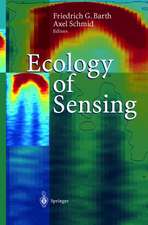 Ecology of SensingAxel Schmid-18%Preț: 1264.03 lei1541.50 lei
-
 The Intelligent GenomeAdolf Heschl-15%Preț: 675.78 lei795.04 lei
-
 Lagomorph BiologyPaulo C. Alves-18%Preț: 1890.54 lei2305.54 lei
-
 Les collemboles du milieu dunaire littoral d¿EssaouiraFatima RachidiPreț: 293.33 lei
-
 Kunst der BenennungMichael OhlPreț: 202.60 lei
-
 Die in Deutschland lebenden Arten der SaurierFranz LeydigPreț: 196.78 lei
-
 Systematische Übersicht der Tiere BrasiliensHermann BurmeisterPreț: 302.84 lei
-
 Aquatic GenomicsN. Shimizu-15%Preț: 680.10 lei800.11 lei
De ce să citești această carte
Recomandăm această lucrare studenților și cercetătorilor în biologie care doresc să înțeleagă mecanismele evolutive din spatele celei mai complexe structuri anatomice: capul vertebratelor. Cititorul câștigă o viziune unitară asupra tranziției de la pești la tetrapode, susținută de studii de caz pe grupuri diverse, de la țestoase la primate. Este o resursă indispensabilă pentru cei care studiază „evo-devo” și doresc să exploreze legătura dintre formă, funcție și adaptare ecologică.
Despre autor
Rui Diogo este un cercetător recunoscut pentru contribuțiile sale în domeniul anatomiei comparate și al biologiei evolutive a dezvoltării (evo-devo). Expertiza sa se concentrează pe evoluția sistemului muscular și scheletic, fiind autorul unor lucrări de referință precum Muscles of Chordates. Janine M. Ziermann și Raul E. Diaz Jr completează echipa editorială cu expertiză în morfologie și dezvoltare embrionară. Împreună, acești specialiști au coordonat numeroase proiecte care investighează anomaliile musculare și evoluția feței umane, aducând o perspectivă modernă asupra modului în care structurile craniene s-au diversificat de-a lungul milioanelor de ani.