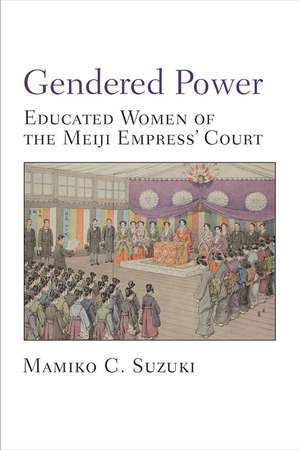
Gendered Power: Educated Women of the Meiji Empress' Court: Michigan Monograph Series in Japanese Studies, cartea 86
Autor Mamiko Suzukien Limba Engleză Hardback – 5 feb 2019
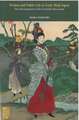
Considerăm Gendered Power o resursă academică esențială pentru cercetătorii specializați în istoria Asiei de Est și studiile de gen, oferind o analiză riguroasă a mecanismelor de putere accesibile femeilor educate în perioada Meiji. Într-un context curricular care vizează transformările sociale și politice ale Japoniei moderne, lucrarea semnată de Mamiko Suzuki se distinge prin examinarea modului în care stăpânirea textelor clasice chineze (kanbun) a servit drept instrument de legitimare publică pentru elitele feminine. Observăm cum autoarea decodifică strategiile prin care Împărăteasa Haruko, poeta Nakajima Shoen și educatoarea Shimoda Utako au navigat constrângerile de gen, transformând educația tradițională într-o platformă pentru participarea activă la viața publică. Remarcăm structura monografiei care, deși compactă (158 de pagini), reușește să pună în lumină tensiunea dintre modelul oficial de „soție bună, mamă înțeleaptă” și realitatea influenței politice și culturale exercitate de aceste figuri. Lucrarea extinde cadrul propus de Women and Public Life in Early Meiji Japan de Mara Patessio cu date noi din sfera lingvisticii și a analizei de text literar, concentrându-se pe limbajul specific prin care aceste femei au contracarat criticile vremii. Spre deosebire de abordările mai largi din Flowers in Salt de Sharon Sievers, care oferă o panoramă a criticii sociale feminine, volumul de față aplică o lentilă mult mai specifică, investigând cum autoritatea intelectuală a fost negociată în spațiul restrâns al curții imperiale și al cercurilor literare de elită.
Din seria Michigan Monograph Series in Japanese Studies
-
 Preț: 311.20 lei
 -
 Preț: 191.34 lei
 -
 Preț: 301.71 lei
 -
 Preț: 263.66 lei
 -
 Preț: 264.29 lei
 -
 Preț: 121.98 lei
 -
 Preț: 167.61 lei
 -
 Preț: 108.86 lei
 -
 Preț: 251.98 lei
 -
 Preț: 375.70 lei
 -
 Preț: 380.06 lei
 -
 Preț: 160.30 lei
 -
 Preț: 130.30 lei
 -
 Preț: 124.85 lei
 -
 Preț: 160.30 lei
 -
 Preț: 76.88 lei
 -
 Preț: 161.89 lei
 -
 Preț: 118.37 lei
 -
 Preț: 124.85 lei
 -
 Preț: 118.37 lei
 -
 Preț: 125.24 lei
 -
 Preț: 125.24 lei
 -
 Preț: 322.98 lei
 -
 Preț: 127.01 lei
 -
 Preț: 179.32 lei
 -
 Preț: 125.24 lei
 -
 Preț: 216.55 lei
 -
 Preț: 179.75 lei
 -
 Preț: 168.15 lei
 -
 Preț: 204.57 lei
 -
 Preț: 181.05 lei
 -
 Preț: 190.59 lei
 -
 Preț: 176.38 lei
 -
 Preț: 155.02 lei
 -
 Preț: 190.24 lei
 - 15%
 Preț: 525.40 lei
 - nou
 Preț: 246.69 lei
 -
 Preț: 310.62 lei
 -
 Preț: 155.28 lei
 -
 Preț: 256.40 lei
Preț: 536.49 lei
Preț vechi: 662.33 lei
-19%
Carte disponibilă
Livrare economică 17 noiembrie-01 decembrie
Livrare express 31 octombrie-06 noiembrie pentru 29.32 lei
Specificații
ISBN-10: 0472073974
Pagini: 158
Dimensiuni: 152 x 229 x 18 mm
Greutate: 0.37 kg
Editura: UNIVERSITY OF MICHIGAN PRESS
Colecția University of Michigan Press
Seria Michigan Monograph Series in Japanese Studies
De ce să citești această carte
Această monografie este indispensabilă pentru studenții și cadrele universitare care doresc să înțeleagă complexitatea feminismului timpuriu în Japonia. Cititorul câștigă o perspectivă nuanțată asupra modului în care tradiția literară a fost utilizată subversiv pentru a câștiga putere politică. Este un studiu de caz fascinant despre rezistența prin educație într-o perioadă de tranziție culturală radicală, oferind instrumente critice pentru analiza raportului dintre gen, limbaj și autoritate.
Despre autor
Mamiko Suzuki este o cercetătoare specializată în literatura și istoria culturală a Japoniei, cu un interes deosebit pentru perioada Meiji și studiile de gen. Prin contribuția sa la Michigan Monograph Series in Japanese Studies, Suzuki s-a impus ca o voce importantă în analiza modului în care femeile din elitele japoneze au utilizat educația clasică pentru a-și redefini rolul social. Expertiza sa se concentrează pe intersecția dintre limbajul academic, tradiția literară chineză și construcția identității feminine în procesul de modernizare a statului japonez.
Descriere scurtă
Notă biografică
Recenzii
—Choice Reviews
—G.G. Rowley, The Journal of Japanese Studies
—Elizabeth Lublin, Monumenta Nipponica
—The Middle Ground Journal
—Joanna Hosoya, The GALE Journal