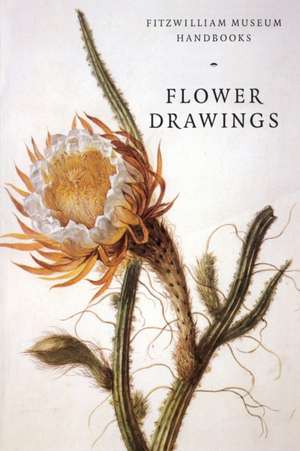
Flower Drawings
Autor David Scraseen Limba Engleză Paperback – 28 aug 2014
Deschidem paginile acestui volum pășind simbolic în galeriile prestigiosului Fitzwilliam Museum, pentru a explora o colecție remarcabilă ce omagiază estetica florală. Observăm, prin intermediul celor 64 de reproduceri color de înaltă fidelitate, modul în care fragilitatea petalelor a fost imortalizată pe parcursul a cinci secole de istorie a artei. Apreciem în mod deosebit structura cronologică a lucrării, care ne permite să urmărim transformarea viziunii artistice: de la marginile bogat ornamentate ale manuscriselor medievale, unde florile aveau un rol pur decorativ, până la rigoarea aproape anatomică a secolului al XVIII-lea. Descoperim aici o experiență vizuală tactilă, potențată de fotografia semnată de Andrew Morris, care scoate în evidență detaliile fine și saturația cromatică specifică fiecărei epoci. Complementar volumului An Oak Spring Flora din aceeași perioadă artistică, dar cu o perspectivă mult mai axată pe evoluția tehnică a desenului individual decât pe contextul larg al bibliotecilor de grădină, Flower Drawings funcționează ca un ghid esențial pentru înțelegerea genului. Ritmul lecturii este unul contemplativ, oferind cititorului ocazia de a vedea cum tradiția reprezentării botanice supraviețuiește și în arta contemporană. Deși David Scrase este cunoscut pentru studii istorice profunde, precum cele din Jewish Life in Nazi Germany, în acest manual își exercită expertiza de curator al Fitzwilliam Museum pentru a distila esența frumuseții naturale în forme grafice, oferind o analiză stilistică ce echilibrează rigoarea academică cu plăcerea estetică pură.
Preț: 329.39 lei
Carte tipărită la comandă
Livrare economică 26 noiembrie-10 decembrie
Specificații
ISBN-10: 0521585783
Pagini: 144
Ilustrații: 64 colour illus.
Dimensiuni: 156 x 234 x 10 mm
Greutate: 0.34 kg
Editura: Cambridge University Press
Locul publicării:Cambridge, United Kingdom
V-ar putea interesa
-
 Wonderful WildflowersJohanna BasfordPreț: 109.97 lei
 -
 Amazing Rare Things: The Art of Natural History in the Age of DiscoveryDavid AttenboroughPreț: 171.12 lei
 -
 -17%Preț: 45.72 lei55.01 lei
 -
 -10%Preț: 211.55 lei236.19 lei
 -
 Floriography Coloring BookJessica RouxPreț: 62.05 lei
 -
 Classic Sketchbook: BotanicalsValerie Baines-18%Preț: 113.63 lei138.16 lei
 -
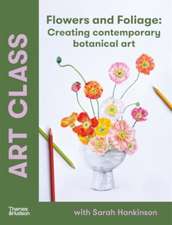 Art Class: Flowers and FoliageSarah Hankinson-17%Preț: 119.79 lei144.94 lei
 -
 The Kew Gardens Flowering Plants Colouring BookArcturus PublishingPreț: 59.72 lei
 -
 The Beauty of the FlowerStephen A HarrisPreț: 229.35 lei
 -
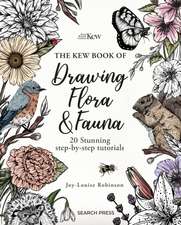 The Kew Book of Drawing Flora and FaunaJoy-Louise RobinsonPreț: 109.73 lei
 -
 Flower: Exploring the World in BloomEditors Phaidon-13%Preț: 339.65 lei391.03 lei
 -
 -25%Preț: 175.98 lei233.12 lei
 -
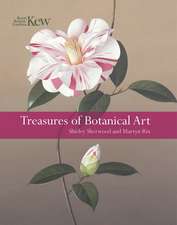 Treasures of Botanical ArtShirley SherwoodPreț: 152.78 lei
 -
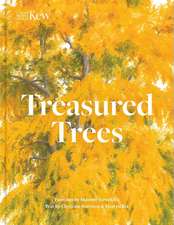 Treasured TreesChristina HarrisonPreț: 143.90 lei
 -
 Flora IndicaHenry NoltiePreț: 278.72 lei
 -
 A-Z of Flower PortraitsBilly ShowellPreț: 147.36 lei
 -
 Botanicals: Botanical Art from the Royal CollectionRoyal Collection Trust-18%Preț: 76.31 lei93.53 lei
 -
 A Garden Eden. Masterpieces of Botanical IllustrationH. Walter Lack-8%Preț: 468.20 lei508.91 lei
 -
 Flowers: From the Renaissance to Artificial IntelligenceSuzanne LandauPreț: 289.98 lei
 -
 Forever FlowersSven Van Dorst-15%Preț: 382.22 lei447.52 lei
De ce să citești această carte
Această carte se adresează iubitorilor de artă și pasionaților de botanică ce doresc să înțeleagă cum a evoluat desenul floral de la simbolismul medieval la precizia științifică. Cititorul câștigă o perspectivă istorică clară și acces vizual la piese rare din arhiva Fitzwilliam Museum. Este un motiv concret pentru a deține o piesă de istorie vizuală care transformă studiul florilor într-o experiență estetică rafinată.
Despre autor
David Scrase este o figură centrală în lumea curatorială britanică, deținând funcțiile de Director Adjunct (Colecții) și Custode al departamentului de Pictură, Desene și Imprimeuri la Fitzwilliam Museum, Cambridge. Expertiza sa vastă în istoria artei și a documentelor de arhivă este reflectată în diversitatea lucrărilor sale, acesta fiind capabil să treacă de la analizele riguroase ale perioadelor istorice întunecate la celebrarea frumuseții din arta florală. În acest volum, Scrase utilizează cunoștințele sale enciclopedice pentru a selecta și contextualiza cele mai reprezentative piese din colecția muzeului, oferind cititorilor o poartă de acces către patrimoniul artistic universal.