
Field Guide to Falling Ill: Essays: The Yale Nonfiction Book Prize
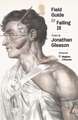
Autor Jonathan Gleason Cuvânt înainte de Meghan O'Rourkeen Limba Engleză Paperback – 9 mar 2027
Recomandăm Field Guide to Falling Ill ca o resursă esențială pentru studenții și profesioniștii din domeniul științelor umaniste medicale, sociologiei sănătății și bioeticii. Publicat sub egida prestigioasei Yale University Press, acest volum de eseuri reprezintă debutul premiat al lui Jonathan Gleason, oferind o perspectivă critică asupra modului în care medicina este modelată de structuri corporative, legale și culturale. Ne-a atras atenția modul în care autorul reușește să transforme experiența clinică într-o formă de cunoaștere profundă, depășind simpla descriere a simptomelor.
Structura narativă pendulează între analiza riguroasă și empatia subiectivă, explorând subiecte sensibile precum rasismul sistemic în transplantul de organe sau impactul politic asupra sănătății psihice. Considerăm acest volum o alternativă necesară la Making Sense Of: Health, Illness and Disease pentru cursurile de sociologie medicală, cu avantajul că aduce o perspectivă narativă contemporană și o voce proaspătă, ancorată în realitatea sistemului de îngrijire actual. În timp ce Illness de Havi Carel se concentrează pe o fenomenologie filosofică a bolii, Jonathan Gleason extinde discuția către intersecția dintre medicină și justiție socială.
Tonul este precis, evitând sentimentalismul în favoarea unei clarități intelectuale remarcabile, fapt confirmat și de prefața semnată de Meghan O'Rourke. Volumul nu se limitează la a fi o culegere de eseuri literare; este un instrument de lucru pentru cei care doresc să înțeleagă cum contextul istoric și prejudecățile culturale dictează calitatea actului medical. Pentru cercetătorii care studiază „narațiunile bolii”, această ediție aduce date valoroase despre dimensiunea umană din spatele protocoalelor medicale rigide.
Preț: 129.79 lei
Precomandă
Carte nepublicată încă
Specificații
ISBN-10: 0300312032
Pagini: 256
Dimensiuni: 140 x 216 mm
Editura: Yale University Press
Colecția Yale University Press
Seria The Yale Nonfiction Book Prize
De ce să citești această carte
Această carte se adresează studenților la medicină, sociologilor și oricărui cititor interesat de etica îngrijirii. Veți câștiga o înțelegere profundă a modului în care cultura și politica influențează diagnosticul și tratamentul. Este un motiv concret pentru a regândi relația pacient-medic, oferind instrumente analitice pentru a umaniza sistemul medical contemporan printr-o perspectivă informată de experiența directă a unui interpret medical.
Despre autor
Jonathan Gleason este câștigătorul primei ediții a Premiului Yale pentru Non-ficțiune (The Yale Nonfiction Book Prize). Cu o experiență profesională diversă, acesta a activat ca interpret medical, o poziție care i-a oferit o perspectivă unică asupra barierelor lingvistice și culturale din cadrul sistemului de sănătate. În scrierile sale, Gleason îmbină observația clinică cu reflecția personală, fiind recunoscut pentru capacitatea de a traduce concepte medicale complexe în eseuri literare accesibile și provocatoare. Opera sa explorează intersecțiile dintre medicină, istorie și identitate socială.
Descriere scurtă
“What was wrong with them? That’s what we wanted to know.” So begins Jonathan Gleason’s prizewinning collection of essays on the human lives behind the corporate, legal, and cultural practices that shape disease. Drawing on his experiences as a medical interpreter and patient, Gleason illuminates a stunning range of topics, including the racial dimensions of organ donation, the past and present of the AIDS crisis, and the troubled relationship between state violence and mental illness. With sharp analysis and boundless empathy, Gleason shows how medicine is shaped by cultural narratives, historical contexts, and the complicated people who practice it.
In her foreword, Meghan O’Rourke, judge of the Yale Nonfiction Book Prize, writes that “illness is often framed as a crisis to endure or overcome. But as Gleason’s work reminds us, illness is also a way of knowing. His essays speak to the precarious beauty of that knowing, and to the ways it connects us—to history, to culture, to one another.”
Recenzii
“Dynamic. . . . Arresting prose meets emotional and clinical intelligence in this lucid collection.”—Kirkus Reviews (starred review)
“An absolutely necessary read.”—Michael Welch, Chicago Review of Books
“This book is thoroughly enjoyable, not in the sense of it being a light read, but in the sense that it’s alive. Gleason’s essays have momentum. They move. They surprise. . . . Gleason explores how sickness lives inside systems, inside public life, inside language itself, and it shows us how people keep trying to be understood anyway.”—Ava Emery, Michigan Daily
“In these ten exemplary essays, Gleason mingles illness memoir, the challenges of caregiving, and loss.”—Tony Miksanek, MedHum
“A stunning debut. Gleason renders the many vulnerabilities of the body with exquisite prose and probing intelligence. I kept asking myself how a book about illness could be so pleasurable to read—the answer is that it was written with a profoundly humane and relentless curiosity, belief that no amount of suffering precludes beauty.”—Melissa Febos, bestselling author of The Dry Season
“Queer, lucid and brilliant, Jonathan Gleason’s prose is not just a guide for falling ill but for navigating—and changing—our ableist society. Vulnerable and poetic, this is a stunning literary debut from an important new author.”—Steven W. Thrasher, author of The Viral Underclass and The Overseer Class
“Field Guide to Falling Ill is an authoritative, well-wrought, and consistently surprising collection from an unexpected narrator. Gleason’s articulation of life as a young gay man exploring the aftermath of the AIDS epidemic is riveting.”—Kerry Howley, author of Bottoms Up and the Devil Laughs
“Jonathan Gleason’s Field Guide to Falling Ill powerfully expands our understanding of illness, laying bare the intimate and often wrenching human stories interwoven with the practice of medicine. This collection is not just a chronicle of ailments but a meditation on the fragility and resilience of the human body, as well as a map traversing medicine’s treacherous domains and complex histories.”—John D’Agata, coauthor of The Lifespan of a Fact