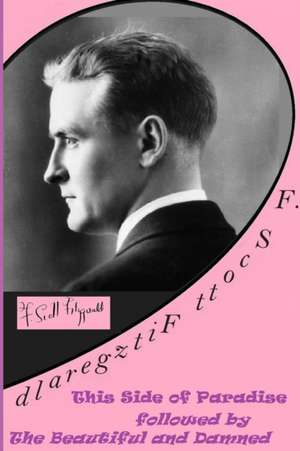
F. Scott Fitzgerald
Autor F. Scott Fitzgeralden Limba Engleză Paperback – 14 feb 2017
Descoperim în această ediție de colecție un ritm de lectură stratificat, care ne invită la o reconsiderare profundă a prozei lui F. Scott Fitzgerald. Nu este doar o simplă antologie, ci o recuperare istorică: pentru prima dată, textul romanului The Great Gatsby este eliberat de intervențiile editoriale care, timp de decenii, au uniformizat cadența specifică a frazelor autorului. Găsim aici o experiență de lectură autentică, unde vocea narativă își recapătă nuanțele originale, de la momentele de observație sobră până la lirismul melancolic care definește „Epoca Jazzului”. Dacă edițiile de tip The Annotated Great Gatsby v-au captivat prin bogăția de informații contextuale, acest volum extinde experiența în direcția criticii textuale și a procesului creativ. Structura cărții este una riguroasă, ghidându-ne prin cronologia compoziției, recepția critică inițială și, esențial, prin diferențele dintre manuscris și variantele revizuite. Această abordare ne permite să înțelegem cum s-a șlefuit „diamantul” despre care vorbea James Dickey. Poziționată între debutul fulminant din This Side of Paradise și maturitatea neterminată din The Last Tycoon, această colecție demonstrează versatilitatea lui Fitzgerald nu doar ca romancier, ci și ca maestru al prozei scurte. Cele nouăsprezece povestiri incluse servesc drept contrapondere tematică, explorând aceleași obsesii despre clasă, bani și eșecul visului american, dar în forme narative concentrate. Este o lucrare esențială pentru cei care doresc să citească dincolo de mitul autorului, direct în inima textului așa cum a fost el gândit.
Preț: 321.83 lei
Carte tipărită la comandă
Livrare economică 08-22 decembrie
Specificații
ISBN-10: 1326944754
Pagini: 548
Dimensiuni: 156 x 234 x 30 mm
Greutate: 0.82 kg
Editura: Lulu.Com
V-ar putea interesa
-
 Tales of the Jazz AgeF. Scott FitzgeraldPreț: 28.01 lei
 -
 The Great GatsbyF. Scott FitzgeraldPreț: 28.01 lei
 -
 Critical Studies: The Great GatsbyKathleen ParkinsonPreț: 32.57 lei
 -
 Oxford Bookworms Library: Level 5:: The Great GatsbyF. Scott Fitzgerald-16%Preț: 96.56 lei114.49 lei
 -
 The Great Gatsby - A Norton Critical EditionF. Scott FitzgeraldPreț: 100.04 lei
 -
 This Side Of ParadiseF. Scott FitzgeraldPreț: 40.30 lei
 -
 The Great Gatsby - Variorum EditionF. Scott FitzgeraldPreț: 234.68 lei
 -
 The Great Gatsby and Other Classic WorksF. Scott Fitzgerald-28%Preț: 217.60 lei303.63 lei
 -
 The Great Gatsby (Graphic Art Collector's Edition)F. Scott Fitzgerald-30%Preț: 70.21 lei100.50 lei
 -
 Flappers and PhilosophersF. Scott FitzgeraldPreț: 46.15 lei
 -
 The Great GatsbyF. Scott Fitzgerald-19%Preț: 199.39 lei244.81 lei
 -
 Preț: 211.03 lei
 -
 -19%Preț: 93.41 lei114.98 lei
 -
 The Annotated Great Gatsby: 100th Anniversary Deluxe EditionF. Scott Fitzgerald-20%Preț: 214.06 lei266.28 lei
 -
 The Great Gatsby (Heritage Collection)F. Scott FitzgeraldPreț: 134.77 lei
 -
 All The Sad Young MenF. Scott FitzgeraldPreț: 57.30 lei
 -
 The Great Gatsby - Lined Journal & NovelF. Scott FitzgeraldPreț: 194.14 lei
 -
 The Great Gatsby: 100th Anniversary Edition (The Original 1925 Classic)F. Scott Fitzgerald-13%Preț: 19.85 lei22.82 lei
De ce să citești această carte
Această ediție este destinată cititorului exigent care dorește să exploreze opera lui F. Scott Fitzgerald în cea mai pură formă a sa. Câștigați acces la un text restaurat, eliberat de modificările postume, și la un aparat critic care clarifică aluziile istorice ale epocii. Este un motiv concret de a reciti un clasic, descoperind detalii de compoziție și nuanțe stilistice care au fost pierdute în edițiile comerciale anterioare.
Despre autor
F. Scott Fitzgerald (1896–1940) rămâne vocea emblematică a generației pierdute și cronicarul indiscutabil al exceselor anilor '20. Educat la Princeton, autorul a cunoscut succesul timpuriu cu This Side of Paradise, volum care i-a permis să se căsătorească cu Zelda Sayre și să devină o figură centrală a elitei culturale. Deși a scris numeroase povestiri pentru publicații celebre precum Esquire pentru a-și susține stilul de viață extravagant, recunoașterea sa ca unul dintre cei mai mari scriitori americani ai secolului XX a venit abia post-mortem, transformând romanele sale în repere fundamentale ale literaturii universale.
Descriere scurtă
Notă biografică
Cuprins
Recenzii
"Now we have an American masterpiece in its final form: the original crystal has shaped itself into the true diamond. This is the novel as Fitzgerald wished it to be, and so it is what we have dreamed of, sleeping and waking." James Dickey
Descriere
No writer portrayed Americas Roaring Twenties as vividly as F. Scott Fitzgerald. In his effervescent tales of elegant ingenues on the prowl for husbands, Ivy League heirs en route to futures of idle entitlement, and endless alcohol-fueled dance parties at ritzy country clubs, he limned a culture giddy with excess and as reckless as it was refined. Gifted with remarkable powers of observation and a witty way with words, Fitzgerald wrote stories that seem as fresh and modern today as they did when published nearly a century ago. F. Scott Fitzgerald: Classic Works features two full-length novels--This Side of Paradise and The Beautiful and Damned--and nineteen short stories, including the classics "Bernice Bobs Her Hair," "The Diamond as Big as the Ritz," and "The Curious Case of Benjamin Button." Written as only they could be by an insider to the society that they protray, the twenty-one works collected in this volume capture the precarious splendor and doomed glory of that opulent era that their author called the Jazz Age.