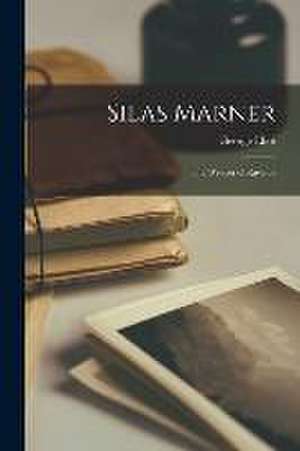
Eliot, G: Silas Marner
en Paperback
Ce rămâne dintr-un om atunci când credința, onoarea și legăturile sociale îi sunt smulse prin trădare? În Silas Marner, miza nu este doar supraviețuirea fizică a unui țesător exilat, ci refacerea unei arhitecturi sufletești prăbușite. Putem afirma că George Eliot nu scrie doar o fabulă morală, ci o analiză psihologică profundă despre modul în care izolarea transformă dragostea în obsesie materială, pentru ca apoi o prezență inocentă să forțeze redeschiderea către lume. Povestea lui Silas, care își transferă afecțiunea de la monedele de aur pierdute către buclele aurii ale micii Eppie, este redată cu un realism tăios ce refuză sentimentalismul facil. Merită menționat că structura romanului, organizată în două părți distincte, facilitează o tranziție temporală de șaisprezece ani, permițându-ne să observăm transformarea lentă a comunității din Raveloe sub presiunea schimbărilor sociale. Dacă în The Mill on the Floss autoarea explora ipocrizia epocii victoriene prin prisma experiențelor provinciale, iar în Middlemarch radiografia viața cotidiană în pragul marilor reforme, aici ea se concentrează pe dimensiunea pastorală și pe forța vindecătoare a integrării sociale. Forța narativă a lui Thomas Hardy din The Return of the Native se regăsește aici în descrierea peisajului rural englezesc, dar este combinată cu sensibilitatea psihologică specifică lui George Eliot — un glas propriu care reușește să transforme o „poveste simplă” într-o critică subtilă a industrializării și a dogmatismului religios.
Preț: 176.61 lei
Cartea nu mai face parte din oferta noastră
Specificații
V-ar putea interesa
-
 XJANE EYRE_CLASSICS PBCharlotte BrontëPreț: 28.01 lei
 -
 Tess of the D'UrbervillesThomas HardyPreț: 28.01 lei
 -
 EmmaJane Austen-25%Preț: 49.46 lei65.83 lei
 -
 Oxford Bookworms Library: Level 4:: Silas MarnerGeorge EliotPreț: 86.08 lei
 -
 Eliot: Silas MarnerNanaPreț: 86.92 lei
 -
 Wuthering HeightsEmily BrontëPreț: 42.68 lei
 -
 The Importance of Being Earnest and Other PlaysOscar WildePreț: 34.27 lei
 -
 Major BarbaraGeorge Bernard ShawPreț: 50.12 lei
 -
 Preț: 44.62 lei
 -
 Happy Marriage?!, Vol. 3Maki EnjojiPreț: 55.37 lei
 -
 Alice's Adventures in WonderlandLewis CarrollPreț: 38.67 lei
 -
 The Mill on the FlossGeorge EliotPreț: 53.68 lei
 -
 Oliver TwistCharles DickensPreț: 37.41 lei
 -
 The Picture of Dorian GrayOscar WildePreț: 29.68 lei
 -
 Return of the NativeThomas HardyPreț: 28.01 lei
 -
 Silas Marner (Legend Classics)George Eliot-11%Preț: 56.69 lei63.97 lei
De ce să citești această carte
Recomandăm acest roman cititorilor care apreciază realismul clasic și studiile de personaj detaliate. Este o lectură despre pierdere și redempțiune, oferind o perspectivă valoroasă asupra Angliei rurale pre-industriale. Cititorul câștigă o înțelegere profundă a modului în care comunitatea și responsabilitatea pot salva un individ din abisul izolării, totul într-un format accesibil de Collins Classics.
Despre autor
Mary Ann Evans (1819-1880), cunoscută sub pseudonimul literar George Eliot, a fost una dintre cele mai importante figuri ale epocii victoriene. Romanele sale sunt celebrate pentru profunzimea psihologică și descrierea realistă a vieții provinciale englezești. Deși a trăit într-o perioadă de restricții sociale rigide pentru femei, Eliot a reușit să se impună ca o autoritate intelectuală, abordând teme complexe precum etica, religia și impactul progresului tehnologic asupra individului. Opera sa, care include capodopere precum Middlemarch și Adam Bede, rămâne un reper fundamental al literaturii universale.