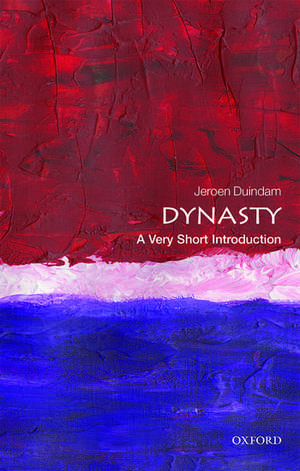
Dynasty: A Very Short Introduction: Very Short Introductions
Autor Jeroen Duindamen Limba Engleză Paperback – 24 oct 2019
Descoperim în Dynasty o analiză structurală riguroasă a modului în care descendența de sânge a servit drept legitimitate politică timp de milenii. Metodologia propusă de Jeroen Duindam nu se limitează la o simplă cronologie, ci organizează materialul în jurul dilemelor fundamentale ale puterii: echilibrul fragil între necesitatea moștenitorilor și conflictele interne care pot distruge o familie domnitoare. Reținem perspectiva inedită asupra liderilor percepuți ca „supraoameni”, a căror autoritate era, în realitate, negociată constant cu elitele și anturajul.
Subliniem modul în care autorul integrează rolul femeilor, nu doar ca mame de viitori regi, ci ca actori politici autonomi, demontând mitul că dinastia este exclusiv o succesiune tată-fiu. Această lucrare acoperă aceeași arie tematică precum Blood Royal de Robert Bartlett, însă, dacă volumul lui Bartlett se concentrează pe mecanismele heraldice și politice ale Europei medievale, Jeroen Duindam oferă o abordare mult mai globală și trans-istorică, făcând paralele surprinzătoare chiar și cu dinastiile corporatiste de astăzi.
Această contribuție în seria Very Short Introductions sintetizează temele majore din opera anterioară a autorului. Dacă în Vienna and Versailles el se concentra pe detaliul curților europene, iar în Prince, Pen, and Sword: Eurasian Perspectives explora conexiunea dintre conducători și elitele militare, aici Jeroen Duindam distilează aceste observații într-o teorie generală a guvernării dinastice. Stilul este dens dar accesibil, oferind o perspectivă comparată ce traversează culturi și epoci, de la Egiptul Antic la dinastiile asiatice și până la structurile de putere contemporane.
Din seria Very Short Introductions
-
 Preț: 52.98 lei
 -
 Preț: 52.49 lei
 -
 Preț: 45.59 lei
 -
 Preț: 51.55 lei
 - 5%
 Preț: 64.72 lei
 -
 Preț: 51.76 lei
 -
 Preț: 64.74 lei
 -
 Preț: 52.25 lei
 - 19%
 Preț: 57.59 lei
 - 20%
 Preț: 56.92 lei
 - 20%
 Preț: 55.70 lei
 -
 Preț: 70.75 lei
 - 19%
 Preț: 57.70 lei
 - 20%
 Preț: 57.15 lei
 - 19%
 Preț: 57.80 lei
 - 19%
 Preț: 57.62 lei
 - 19%
 Preț: 57.59 lei
 - 20%
 Preț: 56.97 lei
 - 19%
 Preț: 58.16 lei
 - 19%
 Preț: 58.03 lei
 - 20%
 Preț: 57.26 lei
 - 20%
 Preț: 56.69 lei
 - 20%
 Preț: 57.32 lei
 - 19%
 Preț: 57.23 lei
 - 20%
 Preț: 57.15 lei
 - 31%
 Preț: 49.06 lei
 - 19%
 Preț: 57.46 lei
 - 19%
 Preț: 57.72 lei
 - 20%
 Preț: 57.15 lei
 -
 Preț: 70.98 lei
 - 20%
 Preț: 57.12 lei
 - 19%
 Preț: 57.92 lei
 - 19%
 Preț: 57.59 lei
 - 19%
 Preț: 57.09 lei
 - 19%
 Preț: 57.72 lei
 - 19%
 Preț: 57.46 lei
 - 19%
 Preț: 57.73 lei
 - 19%
 Preț: 57.09 lei
 - 20%
 Preț: 56.77 lei
 - 18%
 Preț: 58.22 lei
 - 20%
 Preț: 56.77 lei
 - 18%
 Preț: 58.25 lei
 - 19%
 Preț: 57.48 lei
 -
 Preț: 68.81 lei
 - 18%
 Preț: 58.34 lei
 - 19%
 Preț: 58.03 lei
 - 19%
 Preț: 57.59 lei
 - 19%
 Preț: 57.82 lei
 - 18%
 Preț: 58.43 lei
 - 19%
 Preț: 57.46 lei
Preț: 57.12 lei
Preț vechi: 71.12 lei
-20%
Carte disponibilă
Livrare economică 19-24 noiembrie
Livrare express 31 octombrie-06 noiembrie pentru 30.35 lei
Specificații
ISBN-10: 0198809085
Pagini: 160
Ilustrații: 10 black and white images
Dimensiuni: 112 x 174 x 10 mm
Greutate: 0.14 kg
Editura: OUP OXFORD
Colecția OUP Oxford
Seria Very Short Introductions
Locul publicării:Oxford, United Kingdom
V-ar putea interesa
-
 Projects: A Very Short IntroductionAndrew Davies-20%Preț: 57.12 lei71.12 lei
 -
 -15%Preț: 456.81 lei537.42 lei
 -
 Vienna and VersaillesJeroen DuindamPreț: 449.36 lei
 -
 How the Doctrine of Incarnation Shaped Western CulturePatricia Ranft-38%Preț: 657.25 lei1052.35 lei
 -
 Music after Hitler, 1945–1955Toby Thacker-18%Preț: 1253.60 lei1528.78 lei
 -
 The Picnic: A HistoryWalter Levy-21%Preț: 365.17 lei463.54 lei
 -
 -33%Preț: 615.91 lei917.02 lei
 -
 In the Sign of the Butterfly: Leadership in MetamorphosisGottlieb Guntern-25%Preț: 305.93 lei406.70 lei
 -
 DynastiesJeroen DuindamPreț: 271.64 lei
 -
 Preț: 159.29 lei
 -
 The Farmer in England, 1650-1980Richard W. Hoyle-18%Preț: 1306.39 lei1593.16 lei
 -
 -18%Preț: 1259.28 lei1535.71 lei
 -
 The Principles and Power of VisionMyles MunroePreț: 97.64 lei
 -
 Contacts and ContrastsHelena GleichenPreț: 190.42 lei
 -
 -23%Preț: 1289.02 lei1674.05 lei
 -
 -23%Preț: 1214.47 lei1577.23 lei
 -
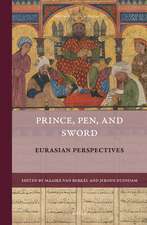 Prince, Pen, and Sword: Eurasian PerspectivesMaaike van Berkel-23%Preț: 1344.81 lei1746.51 lei
De ce să citești această carte
Această lectură este esențială pentru cei interesați de istoria puterii și de sociologia elitelor. Cititorul câștigă o înțelegere clară a modului în care familiile au dominat politica globală timp de 5.000 de ani. Este o recomandare excelentă pentru studenții la istorie sau științe politice care doresc o sinteză rapidă, dar fundamentată academic, despre mecanismele succesiunii, rolul femeilor la curte și fragilitatea autorității absolute.
Despre autor
Jeroen Duindam este un reputat istoric și antropolog, profesor titular al catedrei de Istorie Modernă Timpurie la Universitatea din Leiden din 2010. Cariera sa academică a fost dedicată studiului comparativ al curților regale, explorând tensiunile dintre conducători și elite. Expertiza sa vastă, formată prin cercetări asupra centrelor de putere de la Viena și Versailles, se reflectă în capacitatea sa de a sintetiza procese istorice complexe pe parcursul mai multor milenii. Este considerat una dintre vocile autoritare în domeniul studiilor dinastice globale, reușind să conecteze rigoarea istorică cu analizele antropologice.