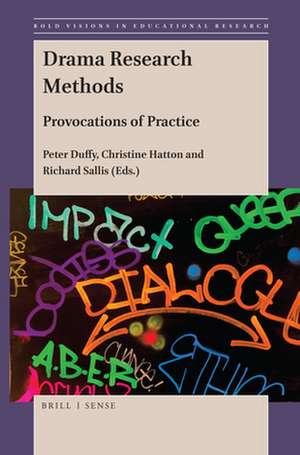
Drama Research Methods: Drama Research Methods, cartea 62
Editat de Peter Duffyen Limba Engleză Paperback – 6 dec 2018
Observăm în literatura academică recentă o lacună semnificativă în ceea ce privește metodele de cercetare care să onoreze cu adevărat natura fluidă a artelor spectacolului, într-un context universitar tot mai obsedat de indicatori de impact cuantificabili. Volumul Drama Research Methods: Provocations of Practice, coordonat de Peter Duffy, Christine Hatton și Richard Sallis, vine să umple acest gol, propunând o abordare care refuză omogenizarea practicilor metodologice. Ne-a atras atenția modul în care autorii chestionează limitările impuse de academie, oferind în schimb un spațiu de explorare pentru provocările etice și procedurale specifice teatrului. Comparabil cu Research Methods in Theatre and Performance de Baz Kershaw în rigurozitatea cu care tratează diversitatea practicilor, acest volum este însă actualizat pentru tensiunile contemporane dintre rigoarea administrativă și autenticitatea fenomenologică. Structura cărții este ea însăși o inovație: în loc de capitole monografice clasice, avem de-a face cu dialoguri critice. Prima parte, „Provocations of Design”, analizează fundamentele practicii de atelier și etica poveștilor de cercetare, în timp ce a doua parte, „Provocations of Method”, aprofundează teme precum genul în spațiul de dramă și provocările cercetării întrupate (embodied research). Subliniem importanța formelor narative variate utilizate — de la interludii dialogice la narațiuni dramatice — care reflectă natura subiectului studiat. Este o resursă esențială care nu doar descrie metode, ci le și pune în scenă, provocând cititorul să regândească relația dintre cercetător, participant și datele generate în procesul artistic.
Preț: 406.55 lei
Carte tipărită la comandă
Livrare economică 18 noiembrie-02 decembrie
Specificații
ISBN-10: 9004389547
Pagini: 290
Dimensiuni: 155 x 234 x 15 mm
Greutate: 0.41 kg
Editura: Koninklijke Brill Bv
Colecția Drama Research Methods
Seriile Drama Research Methods, Brill
V-ar putea interesa
-
 Creative SchoolsKen RobinsonPreț: 90.34 lei
 -
 Preț: 399.09 lei
 -
 The Process of Drama: Negotiating Art and MeaningJohn O'ToolePreț: 432.83 lei
 -
 -5%Preț: 385.38 lei405.66 lei
 -
 -5%Preț: 442.86 lei466.17 lei
 -
 Dramatherapy and Social Theatre: Necessary DialoguesSue Jennings-5%Preț: 350.59 lei369.04 lei
 -
 -5%Preț: 373.28 lei392.93 lei
 -
 -15%Preț: 493.42 lei580.49 lei
 -
 Teaching Community: A Pedagogy of HopeBell HooksPreț: 318.36 lei
 -
 Teaching Critical Thinking: Practical WisdomBell HooksPreț: 317.35 lei
 -
 -18%Preț: 71.42 lei87.14 lei
 -
 The Emotional BrainJoseph Ledoux-26%Preț: 68.98 lei93.17 lei
 -
 Preț: 190.02 lei
 -
 With Drama in Mind: Real Learning in Imagined WorldsPatrice Baldwin-40%Preț: 226.26 lei376.47 lei
 -
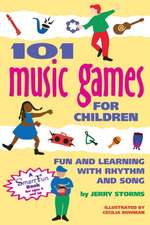 101 Music Games for ChildrenJerry StormsPreț: 107.04 lei
 -
 101 More Music Games for ChildrenJerry StormsPreț: 108.52 lei
 -
 101 Movement Games for ChildrenHuberta WiertsemaPreț: 105.83 lei
 -
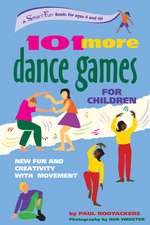 101 More Dance Games for ChildrenPaul RooyackersPreț: 98.97 lei
 -
 101 Improv Games for Children and AdultsBob BedorePreț: 110.60 lei
 -
 Yoga Exercises for TeensHelen PurperhartPreț: 91.15 lei
 -
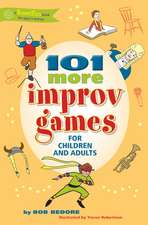 Preț: 106.86 lei
 -
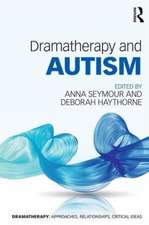 Dramatherapy and AutismDeborah Haythorne-5%Preț: 410.49 lei432.09 lei
 -
 Preț: 337.81 lei
 -
 Pedagogy of the OppressedPaulo Freire-24%Preț: 147.97 lei193.64 lei
 -
 101 Life Skills Games for ChildrenBernie BadegruberPreț: 149.98 lei
 -
 101 More Life Skills Games for ChildrenBernie BadegruberPreț: 148.94 lei
 -
 Drama Games for Classrooms and WorkshopsJessica SwalePreț: 77.38 lei
De ce să citești această carte
Recomandăm această carte cercetătorilor și studenților la masterat sau doctorat în domeniul artelor spectacolului și educației prin dramă. Cititorul câștigă o perspectivă critică asupra modului în care cercetarea poate rămâne fidelă practicii artistice fără a sacrifica rigoarea academică. Este un instrument valoros pentru cei care caută metode alternative de colectare și interpretare a datelor, punând accent pe etică și incluziune socială în contextul cercetării bazate pe practică.
Despre autor
Peter Duffy, Christine Hatton și Richard Sallis sunt cercetători și practicieni de prestigiu în domeniul pedagogiei teatrale și al metodelor de cercetare bazate pe arte. Peter Duffy este recunoscut pentru expertiza sa în educația prin dramă la University of South Carolina, în timp ce Christine Hatton și Richard Sallis au publicat extensiv despre gen, identitate și pedagogie în artele spectacolului. Colaborarea lor în acest volum reflectă o sinteză a experienței acumulate în medii academice diverse, de la Australia la America de Nord, fiind figuri centrale în comunitatea internațională de cercetare în dramă.
Cuprins
Anne M. Harris
Introduction
Part 1: Provocations of Design
1. Touchstones of Practice: Consideration from the Theatre Workshop Floor
George Belliveau and Christine Sinclair
2. Act-ive P-art-icipation: Social Inclusion and Drama Research
Jo Raphael and Kelly Freebody
3. Learning on the Ground: How Our Research Stories Teach Us about Ethics
Kathleen Gallagher and Richard Sallis
Part 2: Provocations of Method
4. A Research Tango in Three Moves: Gendering the Drama Research Space
Christine Hatton and Richard Sallis
5. Three Arts Based Researchers Walk into a Forum: A Conversation on the Opportunities and Challenges in Embodied and Performed Research
Nisha Sajnani, Richard Sallis and Joe Salvatore
6. Surrender, Pedagogy Ambiguity, Research and Impossibility: Cats @ Play
Joe Norris, Lynn Fels and Yasmine Kandil
7. Participation in Participatory Drama-Based Research
Diane Conrad and Janinka Greenwood
Part 3: Provocations of representation
8. How Do Culture and Power Work in and through Drama Research?: An e-Conversation Between
Selina Busby and Brian S. Heap
9. Representation, Authenticity and the Graphic Novel in Arts Education Inquiry: Transubstantiating Research
Robin Pascoe and Peter R. Wright
10. Defiant Bodies: A Punk Rock Crip Queer Cabaret: Cripping and Queering Emancipatory Disability Research
Emma Selwyn and Liselle Terret
Part 4: Provocations of practice
11. We Need to Talk about Theory: Rethinking the Theory/Practice Dichotomy in Pursuit of Rigour in Drama Research
Helen Cahill, Viv Aitken and Christine Hatton
12. The Stories That Made Us: A Duoethnography on Becoming Reflective Drama Researchers
Christine Hatton and Peter Duffy
13. Research and Its Impact: A Dramatic Cyber-Dialogue in Three Scenes
John O’Toole and Peter Duffy
14. Lessons Learned: Provocations of Practice
Allison Anders, Peter Duffy, Christine Hatton and Richard Sallis
15. Afterword: Well Begun Is Half Done
Brad Haseman
Notă biografică
Christine Hatton, Ph.D. (2005), University of Sydney, is a lecturer in the School of Education at the University of Newcastle. Her scholarly interests include drama, arts education and gender in education.She was awarded the 2014 Faculty of Education and Arts Early Career Research Fellowship.
Richard Sallis, Ph.D., University of Melbourne, is a senior lecturer in arts education at the that university's Graduate School of Education. His research includes arts education, gender and identity, and professional theatre for/with youth. He was the 2012 AATE Distinguished Dissertation Award recipient.
Recenzii
"What the reader comes away with [after reading this book] is an unusual peek behind the curtain of arts-based educational research (…) In Drama Research Methods, the editors crafted a text that had a clear intention – there would be no more hero narratives or success stories, which so frequently pervade educational drama research publications (202). (…) Duffy, Hatton, and Sallis have effectively closed the circle, marrying methods and practice in a way that more accurately reflects the field." - Jonathan P. Jones in Research in Drama Education: The Journal of Applied Theatre and Performance (2021).
Descriere
This book aims to address the methodological, interpretive, ethical/procedural challenges and tensions within theatre-based research with a goal of elevating our field’s research practice and inquiry. Each chapter embraces various methodologies, positionalities and examples of mediation by inviting two or more leading researchers to interrogated each other’s work and, in so doing, highlighted current debates and practices in theatre-based research. Topics include: ethics, method, audience, purpose, mediation, form, aesthetics, voice, data generation, and research participants. Each chapter frames a critical dialogue between researchers that take multiple forms (dialogic interlude, research conversation, dramatic narrative, duologue, poetic exchange, etc.).