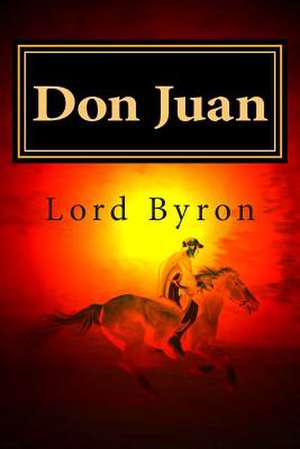
Don Juan
Autor Lord George Gordon Byronen Limba Engleză Paperback
Preț: 145.39 lei
Puncte Express: 218
Carte indisponibilă temporar
Livrare prin curier în România Termenul estimat este afișat lângă disponibilitate.
Transport gratuit de la 400.00 lei Plată online sau ramburs, în funcție de opțiunile comenzii.
Retur gratuit în 14 zile Comandă securizată și suport în română.
Specificații
ISBN-13: 9781482742732
ISBN-10: 148274273X
Pagini: 522
Dimensiuni: 152 x 229 x 27 mm
Greutate: 0.69 kg
Editura: CREATESPACE
ISBN-10: 148274273X
Pagini: 522
Dimensiuni: 152 x 229 x 27 mm
Greutate: 0.69 kg
Editura: CREATESPACE
V-ar putea interesa
-
 You Made Me Late Again!Pam Ayres-41%Preț: 61.17 lei104.04 lei
 -
 Selected Poems of Lord George Gordon ByronLord George Gordon Byron-16%Preț: 105.81 lei125.46 lei
 -
 Multitudinous HeartCarlos Drummond De AndradePreț: 91.16 lei
 -
 Well, They are Gone, and Here Must I RemainSamuel Taylor Coleridge-31%Preț: 16.18 lei23.58 lei
 -
 The Old Nurse's StoryElizabeth Gaskell-31%Preț: 16.23 lei23.59 lei
 -
 Remember, Body...C. P. Cavafy-22%Preț: 15.96 lei20.34 lei
 -
 The Eve of St AgnesJohn Keats-21%Preț: 16.18 lei20.47 lei
 -
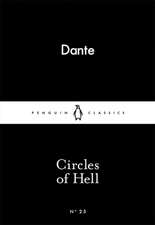 Circles of HellDante-38%Preț: 17.63 lei28.47 lei
 -
 Electronic and Computer MusicPeter Manning-17%Preț: 440.51 lei528.35 lei
 -
 Collected PoemsTony Harrison-18%Preț: 77.48 lei94.37 lei
 -
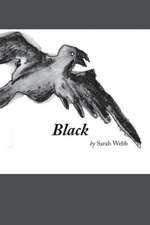 BlackSarah WebbPreț: 74.13 lei
 -
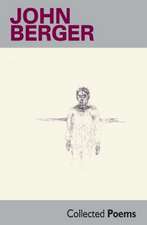 Collected PoemsJohn BergerPreț: 64.29 lei
 -
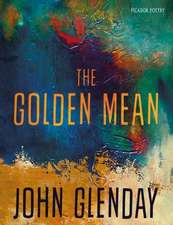 The Golden MeanJohn Glenday-37%Preț: 48.52 lei76.43 lei
 -
 Selected Poems of Lord ByronLord ByronPreț: 35.46 lei
 -
 Fishing in the Aftermath - Poems 1994-2014Salena GoddenPreț: 72.23 lei
Notă biografică
Lord George Gordon Byron was a British Romantic poet whose life, celebrity, politics, scandals, and literary brilliance made him one of the most famous writers of the nineteenth century. Born in 1788, Byron became an international literary figure with Childe Harold's Pilgrimage, whose melancholy, restless, self-dramatising hero helped create the image now known as the Byronic figure. His poetry combined aristocratic confidence, political scepticism, sexual candour, wit, melancholy, and defiance in a way that made him both admired and notorious.Byron's major works include Childe Harold's Pilgrimage, Manfred, The Giaour, The Corsair, Beppo, and Don Juan. Of these, Don Juan is often regarded as his greatest and most original achievement: a vast satirical poem that uses comic narrative, digression, social observation, and verbal brilliance to mock hypocrisy, war, empire, sexual morality, literary fashion, and political pretence. Britannica identifies Don Juan as Byron's masterpiece among his later long poems.In 1816 Byron left England permanently amid debt, scandal, and public controversy, living thereafter in Switzerland and Italy before becoming involved in the Greek struggle for independence. He died at Missolonghi in 1824 at the age of thirty-six. His reputation has never depended on respectability; it rests instead on the force of his style, the glamour and danger of his public image, and the enduring power of poems that refuse pious comfort. Byron remains one of the central figures of Romantic literature and one of the great satiric voices in English poetry.
Descriere
Descriere de la o altă ediție sau format:
Byron's exuberant masterpiece tells of the adventures of Don Juan, beginning with his illicit love affair at the age of sixteen in his native Spain and his subsequent exile to Italy.
Byron's exuberant masterpiece tells of the adventures of Don Juan, beginning with his illicit love affair at the age of sixteen in his native Spain and his subsequent exile to Italy.