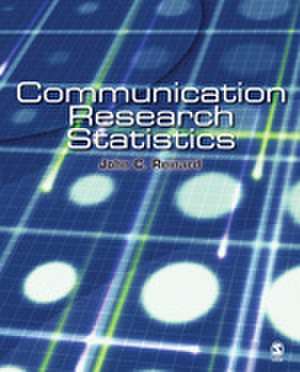
Communication Research Statistics
Autor John C. Reinarden Limba Engleză Electronic book text – 30 mar 2006
Preț: 394.69 lei
Preț vechi: 464.34 lei
-15% Precomandă
Puncte Express: 592
Nepublicat încă
Livrare prin curier în România Precomanda se expediază când titlul devine disponibil.
Transport gratuit de la 400.00 lei Plată online sau ramburs, în funcție de opțiunile comenzii.
Retur gratuit în 14 zile Comandă securizată și suport în română.
Doresc să fiu notificat când acest titlu va fi disponibil:
Se trimite...
Specificații
ISBN-13: 9781452214795
ISBN-10: 1452214794
Pagini: 600
Dimensiuni: 187 x 232 mm
Ediția:1
Editura: SAGE Publications
Colecția Sage Publications, Inc
Locul publicării:Thousand Oaks, United States
ISBN-10: 1452214794
Pagini: 600
Dimensiuni: 187 x 232 mm
Ediția:1
Editura: SAGE Publications
Colecția Sage Publications, Inc
Locul publicării:Thousand Oaks, United States
V-ar putea interesa
-
 The Postgraduate Research Handbook: Succeed with your MA, MPhil, EdD and PhDProfessor Gina WiskerPreț: 204.11 lei
 -
 Introducing LISRELAdamantios Diamantopoulos-15%Preț: 592.90 lei697.52 lei
 -
 Reliability and Validity AssessmentEdward G. CarminesPreț: 287.72 lei
 -
 Qualitative Research InterviewingTom Wengraf-18%Preț: 760.97 lei928.02 lei
 -
 Quantitative Methods LinguisticsJohnsonPreț: 541.51 lei
 -
 Reflective InterviewingKathryn Joy Roulston-11%Preț: 430.80 lei484.05 lei
Recenzii
"Reinard
sets
forth
a
solid
intermediate
level
statistics
book
that
could
serve
students
in
advanced
researcg
classes
quite
well.
In
essence,
this
text
would
help
with
the
quagmire
many
students
encounter
when
reading
statistics
books."
"Each chapter provides a minimum of formulae and avoids complex numerical computations. To some, this approach will appear to be the end of the world as we know it. But, in my experience, detailed examination of statistical formulae via hand computations leads to anxiety about arithmetic rather than a deepening of understanding of statistics for a majority of students. It is only after the anxiety is dealt with, and the student has a degree of facility with statistics, that a deepening understanding can occur with such methods. The book adopts a conceptual rather than a computational approach, and this is to be commended."
"Each chapter provides a minimum of formulae and avoids complex numerical computations. To some, this approach will appear to be the end of the world as we know it. But, in my experience, detailed examination of statistical formulae via hand computations leads to anxiety about arithmetic rather than a deepening of understanding of statistics for a majority of students. It is only after the anxiety is dealt with, and the student has a degree of facility with statistics, that a deepening understanding can occur with such methods. The book adopts a conceptual rather than a computational approach, and this is to be commended."
Cuprins
Preface
Section One: Introduction to Statistical Analyses
1. Using Statistics to Conduct Quantitative Research
A World of Statistics
Why Do Quantitative Research?
Typical Steps Involved in Quantitative Research
2. Collecting Data on Variables
Variables and Hypotheses
Measurement of Variables
Sampling
Section Two: Descriptive Statistics
3. Central Tendency
Doing a Study and Reporting Descriptive Information
Typical Measures of Central Tendency
Relations among Mean Median and Mode
4. Looking at Variability and Dispersion
Assessing Dispersion
The Relationship Between Measures of Central Tendency and Variability
Examining Distributions
5. Correlations
The Notion of Correlation
Elements of the Correlation
Computing the Pearson Product-Moment Correlation
Matters Affecting Correlations
Methods of Correlations
Alternative Forms of Association
6. Ensuring Reliability and Validity
The Notion of Measurement Acceptability
How to Do a study of Measurement Adequacy
Reliability
Validity
The Relation of Validity to Reliability
Section Three: Inferential Statistics
7. Statistical Significance Hypothesis Testing when Comparing Two Means
Doing a Study that Tests a Hypothesis of Differences Between Means
Assumptions in Parametric Hypothesis Testing
Comparing Sample and Population Means
Comparing the Means of Two Sample Groups: The Two-Sample t Test
Comparing Means Differences of Paired Scores: The Paired Difference t
Assessing Power
8. Comparing More than Two Means: One-Way Analysis of Variance
Hypothesis Testing for More than Two Means
The Analysis of Variance Hypothesis Test
What after ANOVA? Multiple Comparison Tests
Extensions of Analysis of Variance
9. Factorial Analysis of Variance
Doing a Study that Involves More than One Independent Variable
Types of Effect to Test
Computing the Fixed-Effect ANOVA
Random and Mixed-Effects Designs
Section Four: Nonparametric Tests
10. Nonparametric Tests for Categorical Variables
The Notion of "Distribution-Free" Statistics
Conducting a Study that Requires Nonparametric Tests of Categorical Data
The Chi-Square Test
Alternatives to Chi-Square for Frequency Data
11. Nonparametric Tests for Rank Order Dependent Variables
Doing a Study Involving Ordinal Dependent Variables
Comparing Ranks of One Group to Presumed Populations Characteristics: Analogous Tests to One-Sample t Tests
Comparing Ranks from Two Sample Groups
Comparing Ranks from More than Two Sample Groups: Analogous Tests to One-Way ANOVA
Section Five: Advanced Statistical Applications
12. Meta-Analysis
Meta-Analysis: An Alternative to Artistic Literature Reviews
Conducting the Meta-Analysis Study
Using Computer Techniques to Perform Meta-Analysis
13. Multiple Regression Correlation
Contrasting Bivariate Correlation and Multiple Regression Correlation
Components of Multiple Correlations
How to Do a Multiple Regression Correlation Study
14. Extensions of Multiple Regression Correlation
Using Categorical Predictors
Contrasting Full and Reduced Models: Hierarchical Analysis
Interaction Effects
Examining Nonlinear Effects
15. Exploratory Factor Analysis
Forms of Factor Analysis
The Notion of Multivariate Analyses
Exploratory Factor Analysis
16. Confirmatory Factor Analysis Through the AMOS Program
The Notion of Confirmatory Factor Analysis
Using the AMOS Program for Confirmatory Factor Analysis
17. Modeling Communication Behavior
The Goals of Modeling
How to Do a Modeling Study
Path Models
Using the AMOS Program
Appendix A: Using Excel XP to Analyze Data
Getting Ready to Run Statistics With Excel
Handling Data
Using the Menu Bar
Toolbars
How to Run Statistics From the Analysis ToolPak
Using Functions
Appendix B: Using SPSS 12 for Windows
How to enter and Screen Your Own Data in SPSS
How to Enter Data From a Word Processor
How to Create Indexes From Scales
Commands in the SPSS System
Dealing With Output
Alternative Editing Environments
Appendix C: Tables
References
Index
About the Author
Section One: Introduction to Statistical Analyses
1. Using Statistics to Conduct Quantitative Research
A World of Statistics
Why Do Quantitative Research?
Typical Steps Involved in Quantitative Research
2. Collecting Data on Variables
Variables and Hypotheses
Measurement of Variables
Sampling
Section Two: Descriptive Statistics
3. Central Tendency
Doing a Study and Reporting Descriptive Information
Typical Measures of Central Tendency
Relations among Mean Median and Mode
4. Looking at Variability and Dispersion
Assessing Dispersion
The Relationship Between Measures of Central Tendency and Variability
Examining Distributions
5. Correlations
The Notion of Correlation
Elements of the Correlation
Computing the Pearson Product-Moment Correlation
Matters Affecting Correlations
Methods of Correlations
Alternative Forms of Association
6. Ensuring Reliability and Validity
The Notion of Measurement Acceptability
How to Do a study of Measurement Adequacy
Reliability
Validity
The Relation of Validity to Reliability
Section Three: Inferential Statistics
7. Statistical Significance Hypothesis Testing when Comparing Two Means
Doing a Study that Tests a Hypothesis of Differences Between Means
Assumptions in Parametric Hypothesis Testing
Comparing Sample and Population Means
Comparing the Means of Two Sample Groups: The Two-Sample t Test
Comparing Means Differences of Paired Scores: The Paired Difference t
Assessing Power
8. Comparing More than Two Means: One-Way Analysis of Variance
Hypothesis Testing for More than Two Means
The Analysis of Variance Hypothesis Test
What after ANOVA? Multiple Comparison Tests
Extensions of Analysis of Variance
9. Factorial Analysis of Variance
Doing a Study that Involves More than One Independent Variable
Types of Effect to Test
Computing the Fixed-Effect ANOVA
Random and Mixed-Effects Designs
Section Four: Nonparametric Tests
10. Nonparametric Tests for Categorical Variables
The Notion of "Distribution-Free" Statistics
Conducting a Study that Requires Nonparametric Tests of Categorical Data
The Chi-Square Test
Alternatives to Chi-Square for Frequency Data
11. Nonparametric Tests for Rank Order Dependent Variables
Doing a Study Involving Ordinal Dependent Variables
Comparing Ranks of One Group to Presumed Populations Characteristics: Analogous Tests to One-Sample t Tests
Comparing Ranks from Two Sample Groups
Comparing Ranks from More than Two Sample Groups: Analogous Tests to One-Way ANOVA
Section Five: Advanced Statistical Applications
12. Meta-Analysis
Meta-Analysis: An Alternative to Artistic Literature Reviews
Conducting the Meta-Analysis Study
Using Computer Techniques to Perform Meta-Analysis
13. Multiple Regression Correlation
Contrasting Bivariate Correlation and Multiple Regression Correlation
Components of Multiple Correlations
How to Do a Multiple Regression Correlation Study
14. Extensions of Multiple Regression Correlation
Using Categorical Predictors
Contrasting Full and Reduced Models: Hierarchical Analysis
Interaction Effects
Examining Nonlinear Effects
15. Exploratory Factor Analysis
Forms of Factor Analysis
The Notion of Multivariate Analyses
Exploratory Factor Analysis
16. Confirmatory Factor Analysis Through the AMOS Program
The Notion of Confirmatory Factor Analysis
Using the AMOS Program for Confirmatory Factor Analysis
17. Modeling Communication Behavior
The Goals of Modeling
How to Do a Modeling Study
Path Models
Using the AMOS Program
Appendix A: Using Excel XP to Analyze Data
Getting Ready to Run Statistics With Excel
Handling Data
Using the Menu Bar
Toolbars
How to Run Statistics From the Analysis ToolPak
Using Functions
Appendix B: Using SPSS 12 for Windows
How to enter and Screen Your Own Data in SPSS
How to Enter Data From a Word Processor
How to Create Indexes From Scales
Commands in the SPSS System
Dealing With Output
Alternative Editing Environments
Appendix C: Tables
References
Index
About the Author
Descriere
While
most
books
on
statistics
seem
to
be written
as
though
targeting
other
statistics
professors,
John
Reinard's
Communication
Research
Statistics
is
especially
impressive
because
it
is
clearly
intended
for
the
student
reader,
filled
with
unusually
clear
explanations
and
with
illustrations
on
the
use
of
SPSS. I
enjoyed
reading
this
lucid,
student-friendly
book
and
expect
students
will
benefit
enormously
from
its
content
and
presentation.
Well
done!"--John
C.
Pollock,The
College
of
New
Jersey
Written in an accessible style using straightforward and direct language,Communication Research Statisticsguides students through the statistics actually used in most empirical research undertaken in communication studies. This introductory textbook is the only work in communication that includes details on statistical analysis of data with a full set of data analysis instructions based on SPSS 12 and Excel XP.
Written in an accessible style using straightforward and direct language,Communication Research Statisticsguides students through the statistics actually used in most empirical research undertaken in communication studies. This introductory textbook is the only work in communication that includes details on statistical analysis of data with a full set of data analysis instructions based on SPSS 12 and Excel XP.
Notă biografică
John C. Reinard (Ph.D., Southern California) is a professor of Human Communication Studies at California State University, Fullerton. He regularly teaches graduate and undergraduate courses in research methods, quantitative research, persuasion, critical thinking, and argumentation. He received his Ph.D. from the University of Southern California in 1975, after which he served on the faculties at California Polytechnic State University, San Luis Obispo and Arizona State University. He also has served as a master instructor in statistical process control for Motorola. He is the author of Introduction to Research in Communication, soon to be published in its fourth edition, as well as Foundations of Argument. His research has focused primarily in the areas of communication and the law, persuasion, and argumentation. He has published his research in journals including Communication Monographs, the Journal of Communication, Human Communication Research, and Argumentation and Advocacy. He has authored over 100 books, articles, chapters, and research reports presented at professional meetings and conventions. He has served as an Associate Editor for the Journal of Communication, Human Communication Research, Communication Monographs, Argumentation and Advocacy, Communication Quarterly, Communication Reports, Communication Education, and the Western Journal of Communication. He has twice received his University's Author Award and has also been honored with its Outstanding Scholarly and Creative Activity Award. He has chaired five interest groups in professional organizations and has served on committees of three professional organizations. He lives with his wife in Southern California and in his spare time he plays the piano and is a gourmet chef.