
Captives and Companions
Autor Justin Marozzien Limba Engleză Hardback – 10 iul 2025
Nivelul de studiu vizat este cel de licență și master în domeniul istoriei universale, fiind totodată o lucrare de referință profesională pentru cercetătorii specializați în studiile orientale. Captives and Companions de Justin Marozzi, publicată de Pegasusbooks, oferă o istorie exhaustivă a comerțului cu sclavi în lumea islamică, un subiect care, deși vast și de o longevitate surprinzătoare, a rămas adesea în umbra cercetărilor dedicate sclaviei transatlantice. Subliniem rigoarea documentării celor 560 de pagini, care urmăresc transformarea captivilor de război în piloni ai structurilor de putere, de la curțile imperiale din Bagdad și Istanbul până la Moscheea Profetului din Medina. Notăm cu interes perspectiva autorului asupra complexității sociale a sclaviei: dacă bărbații puteau deveni membri ai unităților de elită precum ienicerii, femeile capturate atingeau uneori statutul de curtezane celebre și bogate în epoca de aur a Bagdadului. Totuși, volumul nu ignoră realitatea cruntă a milioanelor de africani care au traversat Sahara în captivitate. Captives and Companions extinde cadrul propus de Captives de Catherine M. Cameron cu date noi din spațiul islamic, trecând dincolo de impactul captivilor asupra societăților mici pentru a analiza integrarea acestora în structuri imperiale și religioase complexe. Spre deosebire de The Cambridge History of Global Migrations, care tratează mobilitatea umană în sens larg, Justin Marozzi se concentrează strict pe mecanismele juridice și religioase care au legitimat sclavia timp de 1500 de ani, oferind o analiză critică a modului în care abolirea a fost întârziată în Orient. Structura narativă este una cronologică și geografică, purtând cititorul din Tripoli până în Timbuktu. Tonul este unul sobru, ancorat în fapte istorice, esențial pentru înțelegerea unei capitole fundamentale, dar adesea ocultate, a civilizației mondiale.
Preț: 278.15 lei
Carte disponibilă
Livrare economică 16-30 noiembrie
Livrare express 31 octombrie-06 noiembrie pentru 64.48 lei
Specificații
ISBN-10: 0241522153
Pagini: 523
Dimensiuni: 168 x 243 x 40 mm
Greutate: 0.98 kg
Editura: Penguin Books
Colecția Allen Lane
V-ar putea interesa
-
 This Land of PromiseMatthew LockwoodPreț: 95.74 lei
 -
 The RomaMadeline PotterPreț: 157.22 lei
 -
 Ways of SunlightSam Selvon-19%Preț: 57.36 lei71.25 lei
 -
 Journeys of EmpireSathnam SangheraPreț: 64.50 lei
 -
 The StrangersEkow EshunPreț: 79.93 lei
 -
 To Free the CaptivesTracy K. SmithPreț: 97.15 lei
 -
 Lost SoulsSheila FitzpatrickPreț: 258.71 lei
 -
 Europe without BordersIsaac Stanley-BeckerPreț: 226.32 lei
 -
 Unbounding EuropeIlaria GiglioliPreț: 201.44 lei
 -
 EnslavementOrlando PattersonPreț: 167.08 lei
 -
 We Are Not NumbersAhmed AlnaouqPreț: 110.16 lei
 -
 My Battle of HastingsXiaolu GuoPreț: 78.53 lei
 -
 The ZorgSiddharth KaraPreț: 122.93 lei
 -
 The Book of RevelationsJuliet NicolsonPreț: 159.06 lei
 -
 Bog PeopleVariousPreț: 137.40 lei
 -
 We Are Green and TremblingGabriela Cabezón CámaraPreț: 135.93 lei
 -
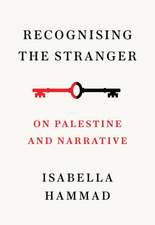 Recognising the StrangerIsabella HammadPreț: 70.30 lei
 -
 The Shortest History Of MigrationIan GoldinPreț: 71.22 lei
 -
 Small BoatVincent DelecroixPreț: 91.97 lei
 -
 Curious AffinitiesSophie ChauhanPreț: 108.99 lei
De ce să citești această carte
Această lucrare este esențială pentru studenții și specialiștii în istorie care doresc să înțeleagă sclavina dincolo de modelul atlantic. Cititorul câștigă o perspectivă nuanțată asupra modului în care o instituție controversată a fost reglementată și menținută timp de milenii sub diverse califate. Este o recomandare certă pentru cei interesați de geopolitica Africii și a Orientului Mijlociu, oferind contextul istoric necesar pentru a înțelege supraviețuirea sclaviei în anumite regiuni contemporane.
Notă biografică
His previous books include South from Barbary: Along the Slave Routes of the Libyan Sahara (2001), the bestselling Tamerlane: Sword of Islam, Conqueror of the World (2004) and The Man Who Invented History: Travels with Herodotus (2008). His last book, Baghdad: City of Peace, City of Blood (2014) won the Royal Society of Literature's Ondaatje Prize and was praised by the judges as 'a truly monumental achievement'.
Descriere scurtă
A startling exploration of slavery in the Islamic world from the 7th century to the present
Slavery in the Islamic world has a long, diverse and controversial history. Captives and Companions is a brilliant synthesis of history and contemporary reportage that brings to life the voices of the enslaved in stories of eighth-century concubines and ninth-century revolts, thirteenth-century slave soldiers who established dynastic rule over Egypt, Syria, and Iraq, eighteenth-century corsairs and twentieth-century pearl divers in the Gulf. It also has first-hand accounts of this legacy in the twenty-first century, including the depredations of Daesh and continuing hereditary slavery in Mali and Mauritania.
Justin Marozzi traces the extraordinary variety of enslavement in the Islamic world, which ranged from agricultural labour and domestic toil to elite concubinage, guardianship of sacred spaces, political leadership and even military command. He shows how Africa bore the brunt of the demand for slave labour, fuelled throughout the nineteenth century by expanding global markets and commodity chains. Slavers plied African coasts, traders raided inland for human cargo, and millions were marched across the Sahara into captivity. Meanwhile, North African corsairs turned the Mediterranean into a slave-raiding 'free-for-all' between Muslims, Christians and Jews.
Taking the reader on an extraordinary historical journey from Baghdad to Bamako, Tripoli to Timbuktu, Istanbul to the Black Sea, this is the riveting human drama of those caught up in one of history's most remarkable overlooked stories.
Descriere
Longlisted for the Baillie Gifford Prize for Non-Fiction The definitive history of the slave trade in the Islamic world—a story that has been overshadowed by its notorious, but shorter-lived, Atlantic counterpart. Slavery in the Islamic world has a long, complex, and controversial history. In the earliest days of Islam, Arab Muslims enslaved men, women and children as the spoils of war. In the following centuries, young boys were imported to imperial Islamic courts in enormous numbers. Some were castrated to serve as eunuch guardians of sacred spaces, from the imperial harem of Istanbul to the Prophet’s Mosque in Medina. Others were "harvested" by the Ottomans to serve as Janissaries, the sultan’s elite infantry unit. Some even rose to the highest levels of political and military command, making a mockery of their slave status. For wom leading concubines became powerful figures in their own right. In the ninth-century Golden Age of Baghdad, the most beautiful and accomplished courtesans were among the richest, most celebrated figures of their day. In the twentieth century, more than a thousand years later, their cosmopolitan counterparts were still entertaining Ottoman sultans. Yet it was Africa which bore the brunt of the Islamic world’s insatiable demand for slave labour. Slavers plied its Mediterranean, Atlantic and Indian Ocean coasts, traders raided inland for human cargo, and millions of enslaved Africans trudged across the Sahara into captivity. Meanwhile, North African corsairs turned the Mediterranean into a slaving free-for-all between Muslims, Christians and Jews. The sheer longevity of slavery was no less surprising. Arab Muslims adapted and regulated this practice within an Islamic context. Sanctioned by the Prophet Mohammed, legitimated by the Quran and holy law, slavery endured for fifteen centuries. Abolition had few champions and came late in the day—hereditary slavery continues even today in Mali and Mauritania. Captives and Companions takes the reader on an extraordinary historical journey across deserts, continents and oceans, from Baghdad to Bamako, Tripoli to Timbuktu, Istanbul to the Black Sea, and reveals a hidden but vital chapter in our understanding of world civilization.