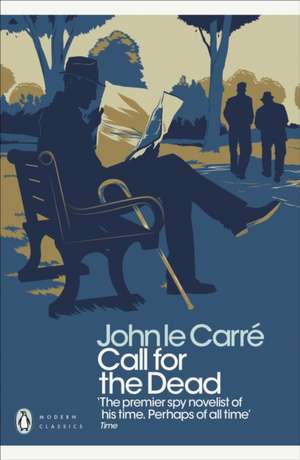
Call for the Dead: Ein George-Smiley-Roman
Autor John Le Carréen Limba Engleză Paperback – 3 noi 2011
Poate un sistem construit pe adevăr să supraviețuiască prin minciună? Considerăm că această întrebare definește fundamentul pe care John Le Carré își înalță universul. În Call for the Dead, asistăm la nașterea unei legende a literaturii de spionaj: George Smiley. Totul începe banal. Un control de securitate de rutină. Samuel Fennan, un funcționar public, este găsit mort. Sinucidere? Maston, șeful serviciului supranumit „Circus”, caută un vinovat. Smiley devine ținta. Presiunea crește. O scrisoare urgentă sosită de la defunct după decesul acestuia schimbă totul. Este un joc de oglinzi între Londra și agenții est-germani. Putem afirma că acest debut spulberă idealismul genului polițist clasic. Nu există eroi imaculați, ci doar oameni obosiți prinși în mecanisme birocratice reci. Ritmul este alert, dar interiorizat. Tensiunea nu vine din explozii, ci din tăceri și deducții sclipitoare. Forța narativă a lui John Le Carré combinată cu sensibilitatea psihologică din Tinker Tailor Soldier Spy — dar cu un glas propriu, mult mai crud și mai direct. Față de lucrări ulterioare precum The Night Manager, unde miza este globală, aici conflictul este intim și claustrofob. Merită menționat că autorul nu se limitează la intrigă; el analizează anatomia trădării. Considerăm acest roman piatra de temelie pentru tot ce a urmat în cariera sa, de la The Spy Who Came in from the Cold până la concluziile din Smiley's People. Este începutul unei obsesii pentru adevăr într-o lume a umbrelor.
Din seria Ein George-Smiley-Roman
-
 Preț: 93.95 lei
 - 25%
 Preț: 59.73 lei
 -
 Preț: 90.94 lei
 -
 Preț: 90.20 lei
 -
 Preț: 97.08 lei
 -
 Preț: 97.78 lei
 -
 Preț: 92.16 lei
 -
 Preț: 110.78 lei
 -
 Preț: 110.77 lei
 -
 Preț: 190.72 lei
 -
 Preț: 120.59 lei
 -
 Preț: 83.22 lei
 -
 Preț: 112.43 lei
 -
 Preț: 90.66 lei
 -
 Preț: 91.41 lei
 -
 Preț: 92.33 lei
 -
 Preț: 92.42 lei
 -
 Preț: 149.22 lei
 -
 Preț: 128.55 lei
 -
 Preț: 152.34 lei
Preț: 56.89 lei
Preț vechi: 77.90 lei
-27%
Carte disponibilă
Livrare economică 05-11 noiembrie
Livrare express 17-23 octombrie pentru 36.86 lei
Specificații
ISBN-10: 0141198281
Pagini: 149
Dimensiuni: 128 x 196 x 17 mm
Greutate: 0.13 kg
Editura: Penguin Books
Colecția Penguin Classics
Seriile Ein George-Smiley-Roman, Penguin Modern Classics
Locul publicării:London, United Kingdom
V-ar putea interesa
-
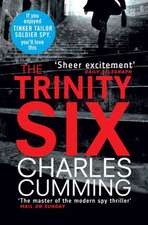 The Trinity SixCharles CummingPreț: 79.20 lei
 -
 The Art of RhetoricAristotlePreț: 28.01 lei
 -
 Oh What A Paradise It SeemsJohn Cheever-20%Preț: 50.67 lei63.57 lei
 -
 The Secret PilgrimJohn Le CarréPreț: 93.95 lei
 -
 A Murder of QualityJohn Le CarréPreț: 77.12 lei
 -
 The Night ManagerJohn Le Carré-35%Preț: 60.89 lei94.31 lei
 -
 Smiley's PeopleJohn le Carré-36%Preț: 60.61 lei94.14 lei
 -
 Tinker Tailor Soldier SpyJohn le Carré-36%Preț: 60.32 lei93.97 lei
 -
 Call for the DeadJohn le Carré-21%Preț: 55.21 lei69.54 lei
 -
 A Murder of Quality: The Smiley CollectionJohn le Carré-32%Preț: 47.71 lei70.15 lei
 -
 Tinker Tailor Soldier SpyJohn le Carré-20%Preț: 55.58 lei69.06 lei
 -
 The Spy Who Came in from the Cold: The Smiley CollectionJohn le Carré-21%Preț: 48.44 lei61.28 lei
 -
 The Pigeon TunnelJohn Le Carré-37%Preț: 58.29 lei91.83 lei
 -
 The Spy Who Came in from the ColdJohn Le Carré-27%Preț: 52.13 lei71.36 lei
 -
 A Legacy of SpiesJohn Le Carré-25%Preț: 59.73 lei79.32 lei
 -
 The Mediterranean CaperClive CusslerPreț: 64.77 lei
 -
 The DeceiverFrederick Forsyth-20%Preț: 63.19 lei78.60 lei
 -
 A Spy Among FriendsBen MacintyrePreț: 105.03 lei
 -
 A Slowly Dying CauseElizabeth GeorgePreț: 119.55 lei
 -
 My Name Is Michael SibleyJohn BinghamPreț: 112.80 lei
 -
 Appointment in ParisJane Thynne-25%Preț: 108.01 lei143.99 lei
 -
 A Cold Wind From MoscowRory ClementsPreț: 71.25 lei
 -
 Quantum of MenaceVaseem KhanPreț: 101.34 lei
De ce să citești această carte
Recomandăm acest roman celor care doresc să descopere originile lui George Smiley, cel mai uman spion din literatură. Este o lectură esențială pentru a înțelege evoluția Războiului Rece prin ochii unui maestru al genului. Câștigați o perspectivă realistă asupra spionajului, departe de clișeele de acțiune, într-un format compact de sub 150 de pagini care se citește cu sufletul la gură.
Despre autor
John Le Carré, pe numele său real David Cornwell, a transformat experiența sa personală în serviciile secrete britanice (MI5 și MI6) în literatură de înaltă clasă. Debutul său cu Call for the Dead a marcat o ruptură de stilul romantic al lui Ian Fleming, introducând realismul cenușiu și dilemele etice în romanele de spionaj. Autorul a creat în George Smiley un antierou memorabil, a cărui inteligență și modestie au definit o întreagă epocă literară. Opera sa este considerată o cronică morală a secolului XX, fiind tradusă în zeci de limbi și adaptată constant pentru ecran.
Notă biografică
Recenzii
Brilliant. Realistic. Constant suspense.
The greatest spy novelist of all time ... astounding works of the imagination.
Brilliant, popular, intelligent, thrilling, suspenseful, angry, original, masterful writing. Can't be topped.
An extraordinary writer who brought literary lustre and lived insight to the spy yarn.
One of those writers who will be read a century from now.
His Smiley novels are key to understanding the mid-20th century.
What Joseph Conrad started, John le Carré enshrined and made modern. That is the real achievement of his great novels and why they will endure ... we should see him as our contemporary Dickens.
Descriere scurtă
After a routine security check by George Smiley, civil servant Samuel Fennan apparently kills himself. When Smiley finds Circus head Maston is trying to blame him for the man's death, he begins his own investigation, meeting with Fennan's widow to find out what could have led him to such desperation. But on the very day that Smiley is ordered off the enquiry he receives an urgent letter from the dead man. Do the East Germans - and their agents - know more about this man's death than the Circus previously imagined? Le Carré's first book, Call for the Dead, introduced the tenacious and retiring George Smiley in a gripping tale of espionage and deceit.
If you enjoyed Call for the Dead, you might like le Carré's The Spy Who Came in from the Cold, also available in Penguin Modern Classics.
'Intelligent, thrilling, surprising ... makes most cloak-and-dagger stuff taste of cardboard' Sunday Telegraph
'Brilliant. Realistic. Constant suspense' Observer
Descriere
George Smiley is no one's idea of a spy--which is why he's such a natural. But Smiley apparently made a mistake when he concluded that the affable Mr. Fennan had nothing to hide. Why, then, did the man from the Foreign Office shoot himself in the head only hours later? Or did he?