
Broken Hegemonies: Indiana University Press (IPS)
Autor Reiner Schurmann Traducere de Reginald Lillyen Limba Engleză Paperback – oct 2003
Observăm în peisajul academic o carență de sinteze care să nu se rezume doar la cronologia ideilor, ci să investigheze mecanismul intern prin care sistemele de gândire își auto-generează declinul. Broken Hegemonies completează această lacună, oferind o perspectivă structurală asupra modului în care marile epoci filosofice — definite prin limbile greacă, latină și limbile moderne — au fost guvernate de principii hegemonice care purtau în sine semințele propriei distrugeri. Subliniem rigoarea cu care Reiner Schurmann deconstruiește autoritatea 'Unului' în metafizica occidentală, urmărind argumentele de la Parmenide și Plotinus până la Kant și Heidegger.
În acest volum masiv publicat de Indiana University Press, descoperim o analiză a eșecului normelor ultime și o interogație profundă despre modul în care umanitatea poate acționa în absența unor principii transcendente. Textul nu este doar o istorie, ci o fenomenologie a anarhiei. Comparabil cu Also a History of Philosophy, Volume 1 de Jürgen Habermas în rigoarea cercetării genealogice, volumul lui Reiner Schurmann este însă mai radical în concluziile sale, fiind actualizat pentru o eră a globalizării unde prăbușirea vechilor hegemonii necesită un nou cadru de gândire post-metafizic. Stilul este dens, academic, dar marcat de o originalitate care a influențat gânditori contemporani precum Catherine Malabou sau Giorgio Agamben.
Din seria Indiana University Press (IPS)
-
 Preț: 269.11 lei
 -
 Preț: 177.46 lei
 -
 Preț: 189.79 lei
 -
 Preț: 279.86 lei
 -
 Preț: 132.27 lei
 -
 Preț: 175.36 lei
 -
 Preț: 132.91 lei
 -
 Preț: 222.56 lei
 -
 Preț: 238.94 lei
 -
 Preț: 162.02 lei
 -
 Preț: 130.27 lei
 -
 Preț: 158.26 lei
 -
 Preț: 346.08 lei
 -
 Preț: 208.38 lei
 -
 Preț: 170.04 lei
 -
 Preț: 395.64 lei
 -
 Preț: 172.66 lei
 -
 Preț: 133.69 lei
 -
 Preț: 123.35 lei
 -
 Preț: 169.11 lei
 -
 Preț: 265.35 lei
 -
 Preț: 223.53 lei
 -
 Preț: 155.41 lei
 -
 Preț: 134.91 lei
 -
 Preț: 347.75 lei
 -
 Preț: 132.40 lei
 -
 Preț: 352.05 lei
 -
 Preț: 115.44 lei
 -
 Preț: 265.67 lei
 -
 Preț: 281.65 lei
 -
 Preț: 195.68 lei
 -
 Preț: 415.54 lei
 -
 Preț: 179.53 lei
 -
 Preț: 197.82 lei
 -
 Preț: 134.95 lei
 -
 Preț: 156.74 lei
 -
 Preț: 165.98 lei
 -
 Preț: 158.16 lei
 -
 Preț: 155.49 lei
 -
 Preț: 276.50 lei
 -
 Preț: 180.77 lei
 -
 Preț: 160.49 lei
 -
 Preț: 235.25 lei
 -
 Preț: 147.12 lei
 -
 Preț: 180.53 lei
 -
 Preț: 318.07 lei
 -
 Preț: 146.04 lei
 -
 Preț: 160.05 lei
 -
 Preț: 192.33 lei
 -
 Preț: 335.28 lei
Preț: 424.15 lei
Carte tipărită la comandă
Livrare economică 16-30 noiembrie
Specificații
ISBN-10: 0253215471
Pagini: 708
Dimensiuni: 156 x 234 x 41 mm
Greutate: 1.12 kg
Editura: Indiana University Press
Colecția Indiana University Press (IPS)
Seria Indiana University Press (IPS)
V-ar putea interesa
-
 ImpossibilityJohn D. BarrowPreț: 119.66 lei
 -
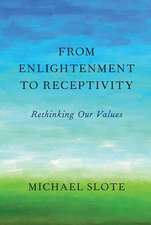 From Enlightenment to Receptivity: Rethinking Our ValuesMichael Slote-19%Preț: 241.05 lei299.43 lei
 -
 Problems of Knowledge: A Critical Introduction to EpistemologyMichael Williams-13%Preț: 356.08 lei407.09 lei
 -
 Epistemic Contextualism: A DefensePeter Baumann-31%Preț: 565.11 lei817.80 lei
 -
 Essays in Collective EpistemologyJennifer Lackey-19%Preț: 292.75 lei359.68 lei
 -
 What's the Use of Truth?Richard RortyPreț: 99.22 lei
 -
 Action in PerceptionAlva NoëPreț: 243.93 lei
 -
 Man or CitizenKaren PaganiPreț: 267.20 lei
 -
 Feminist Interpretations of Mary AstellAlice SowaalPreț: 391.76 lei
 -
 Our Knowledge of the External WorldBertrand RussellPreț: 307.23 lei
 -
 Philosophical Theories of ProbabilityDonald GilliesPreț: 440.84 lei
 -
 Knowledge and Postmodernism in Historical PerspectiveJoyce ApplebyPreț: 463.46 lei
 -
 Free Will: A Contemporary IntroductionMichael McKennaPreț: 365.03 lei
 -
 Preț: 339.29 lei
 -
 The Creativity of ActionHans JoasPreț: 264.41 lei
 -
 Reflections on Literature and CultureHannah ArendtPreț: 233.59 lei
 -
 Epistemology: Key Concepts in PhilosophyProfessor Christopher NorrisPreț: 255.16 lei
 -
 Kant's 'Critique of Aesthetic Judgement': A Reader's GuideDr Fiona Hughes-24%Preț: 580.67 lei768.43 lei
 -
 Knowledge and IdeologyMichael Morris-11%Preț: 699.74 lei786.22 lei
 -
 Performance Studies and Negative Epistemology: Performance ApophaticsClaire Maria Chambers-15%Preț: 619.45 lei728.76 lei
 -
 What is a Law of Nature?D. M. ArmstrongPreț: 180.86 lei
 -
 Guide Through the Theory 3eMortonPreț: 284.77 lei
 -
 Universe and Inner Self in Early Indian and Early Greek ThoughtRichard Seaford-25%Preț: 631.90 lei837.64 lei
 -
 Introducing Philosophy: Knowledge and RealityJack S. Crumley, II-9%Preț: 329.41 lei362.24 lei
 -
 Virtuous Educational ResearchJulian Stern-23%Preț: 464.48 lei603.22 lei
 -
 The Determinate WorldDavid HyderPreț: 111.44 lei
 -
 Model-Based Reasoning in Science and TechnologyLorenzo Magnani-18%Preț: 1848.05 lei2253.72 lei
De ce să citești această carte
Recomandăm această lucrare studenților și cercetătorilor în filosofie care doresc să înțeleagă mecanismul de ascensiune și prăbușire a sistemelor metafizice. Cititorul câștigă o perspectivă critică asupra modului în care limbajul și ontologia se întrepătrund, primind un instrumentar teoretic necesar pentru a naviga vidul normativ al modernității târzii. Este o resursă fundamentală pentru studiul post-structuralismului și al fenomenologiei politice.
Despre autor
Reiner Schurmann a fost un filosof distins, cunoscut pentru activitatea sa academică profundă și pentru interpretările sale radicale asupra tradiției occidentale. Opera sa se concentrează pe deconstrucția metafizicii și pe explorarea condiției umane în post-modernitate. Broken Hegemonies este considerată opera sa magistrală, finalizată spre sfârșitul vieții, în care sintetizează decenii de cercetare asupra lui Heidegger și a istoriei gândirii politice, propunând o viziune unică asupra anarhiei ca principiu ontologic.
Cuprins
Recenzii
Notă biografică
Reginald Lilly, Associate Professor of Philosophy at Skidmore College, is translator of The Principle of Reason by Martin Heidegger and editor of The Ancients and the Moderns (both Indiana University Press).