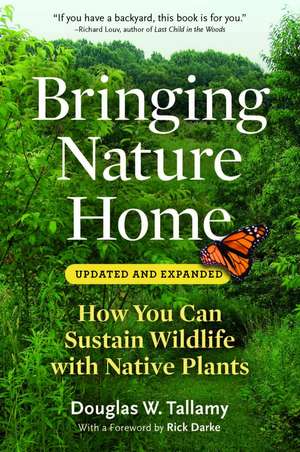
Bringing Nature Home
Autor Douglas W Tallamyen Limba Engleză Paperback – apr 2009
There is an unbreakable link between native plant species and native wildlife native insects cannot, or will not, eat alien plants. When native plants disappear, the insects disappear, impoverishing the food source for birds and other animals. In many parts of the world, habitat destruction has been so extensive that local wildlife is in crisis and may be headed toward extinction.
"Bringing Nature Home" has sparked a national conversation about the link between healthy local ecosystems and human well-being, and the new paperback edition with an expanded resource section and updated photos will help broaden the movement. By acting on Douglas Tallamy's practical recommendations, everyone can make a difference.
"
Preț: 99.96 lei
Preț vechi: 132.82 lei
-25% Nou
Puncte Express: 150
Preț estimativ în valută:
17.69€ • 20.74$ • 15.53£
17.69€ • 20.74$ • 15.53£
Carte disponibilă
Livrare economică 26 ianuarie-09 februarie
Preluare comenzi: 021 569.72.76
Specificații
ISBN-13: 9780881929928
ISBN-10: 0881929921
Pagini: 358
Dimensiuni: 149 x 226 x 25 mm
Greutate: 0.68 kg
Ediția:Revizuită
Editura: Timber Press (OR)
ISBN-10: 0881929921
Pagini: 358
Dimensiuni: 149 x 226 x 25 mm
Greutate: 0.68 kg
Ediția:Revizuită
Editura: Timber Press (OR)
V-ar putea interesa
-
 Landscaping Made Easy by DesignRuth Olde-11%Preț: 119.61 lei134.23 lei
 -
 GrassesNancy J. Ondra-25%Preț: 88.87 lei118.49 lei
 -
 The Living LandscapeRick Darke-24%Preț: 233.49 lei305.95 lei
 -
 Gardens of the High LinePiet Oudolf-23%Preț: 235.42 lei307.13 lei
 -
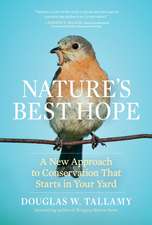 Nature's Best HopeDouglas W Tallamy-31%Preț: 125.89 lei182.79 lei
 -
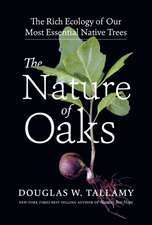 The Nature of OaksDouglas W Tallamy-26%Preț: 111.99 lei151.54 lei
 -
 Nature's Best Hope (Young Readers' Edition)Douglas W Tallamy-24%Preț: 42.70 lei56.29 lei
 -
 Garden Plants for Mediterranean ClimatesGraham PaynePreț: 193.58 lei
 -
 The High LinePiet OudolfPreț: 273.05 lei
Textul de pe ultima copertă
This updated and expanded edition is a delight to read and a most needed resource. "Cabin Life"As Doug Tallamy eloquently explains, everyone can welcome more wildlife into their yards just by planting even a few native plants. With fascinating explanations and extensive lists of native plants for regional habitats, this scientifically researched book can help us all to make a difference. No prior training is needed to become a backyard ecologist but Tallamy's book can be a vital first set. For more information, please visit www.plantnative.com."
Notă biografică
Doug Tallamy is a professor in the Department of Entomology and Wildlife Ecology at the University of Delaware, where he has authored 97 research publications and has taught insect-related courses for 40 years. Chief among his research goals is to better understand the many ways insects interact with plants and how such interactions determine the diversity of animal communities. Among his awards are the Garden Club of America Margaret Douglas Medal for Conservation and the Tom Dodd, Jr. Award of Excellence, the 2018 AHS B. Y. Morrison Communication Award, and the 2019 Cynthia Westcott Scientific Writing Award. Doug is author of Bringing Nature Home, Nature’s Best Hope, and The Nature of Oaks; and co-founder with Michelle Alfandari of HOMEGROWN NATIONAL PARK®. Learn more at HNPARK.org.
Rick Darke is a landscape design consultant, author, lecturer, and photographer based in Pennsylvania who blends art, ecology, and cultural geography in the creation and conservation of livable landscapes. His projects include scenic byways, public gardens, corporate and collegiate campuses, mixed-use conservation developments, and residential gardens. Darke served on the staff of Longwood Gardens for twenty years and received the Scientific Award of the American Horticultural Society. His work has been featured in the New York Times and on National Public Radio. Darke is recognized as one of the world's experts on grasses and their use in public and private landscapes. For further information visit www.rickdarke.com.
Cuprins
Table of Contents
Foreword by Rick Darke
Preface
1. Restoring Natives to Suburbia: A Call to Action
2. The Vital New Role of the Suburban Garden
3. No Place to Hide
4. Who Cares about Biodiversity?
5. Why Can’t Insects Eat Alien Plants?
6. What Is Native and What Is Not?
7. The Costs of Using Alien Ornamentals
8. Creating Balanced Communities
9. Gardening for Insect Diversity
10. Blending In with the Neighbors
11. Making It Happen
12. What Should I Plant?
13. What Does Bird Food Look Like?
14. Answers to Tough Questions
Afterword: The Last Refuge
Appendix 1: Native Plants with Wildlife Value and Desirable Landscaping Attributes by Region
Appendix 2: Host Plants of Butterflies and Showy Moths
Appendix 3: Experimental Evidence
Foreword by Rick Darke
Preface
1. Restoring Natives to Suburbia: A Call to Action
2. The Vital New Role of the Suburban Garden
3. No Place to Hide
4. Who Cares about Biodiversity?
5. Why Can’t Insects Eat Alien Plants?
6. What Is Native and What Is Not?
7. The Costs of Using Alien Ornamentals
8. Creating Balanced Communities
9. Gardening for Insect Diversity
10. Blending In with the Neighbors
11. Making It Happen
12. What Should I Plant?
13. What Does Bird Food Look Like?
14. Answers to Tough Questions
Afterword: The Last Refuge
Appendix 1: Native Plants with Wildlife Value and Desirable Landscaping Attributes by Region
Appendix 2: Host Plants of Butterflies and Showy Moths
Appendix 3: Experimental Evidence