
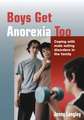
Boys Get Anorexia Too: Coping with Male Eating Disorders in the Family: Lucky Duck Books
Autor Jenny Langleyen Limba Engleză Hardback – 24 ian 2006
Observăm în practica clinică și în mediul familial o creștere a incidenței tulburărilor de alimentație în rândul tinerilor, un subiect adesea umbrit de stereotipuri de gen. Boys Get Anorexia Too începe prin a demonta aceste mituri, propunând în partea a doua a volumului un studiu de caz detaliat — povestea lui Joe — care servește drept ancoră reală pentru informațiile teoretice prezentate anterior. Structura cărții este riguros împărțită între nevoia de înțelegere clinică (simptome, declanșatori, opțiuni de tratament) și realitatea cotidiană a îngrijirii unui copil suferind, oferind strategii pentru „îngrijirea îngrijitorului” și reintegrarea în viața normală.
Descoperim aici o perspectivă distinctă asupra modului în care presiunea pentru performanță sportivă și utilizarea suplimentelor pot masca debutul anorexiei sau bulimiei la băieți. Jenny Langley extinde cadrul propus de Anorexia Boy Recovery de Bev Mattocks cu date noi ce subliniază importanța intervenției timpurii din partea antrenorilor și a cadrelor didactice. În timp ce lucrarea lui Mattocks se concentrează pe parcursul unui adolescent de 15 ani, Langley analizează impactul bolii asupra unui copil de 12 ani, oferind un ghid de supraviețuire mai tehnic, dar la fel de empatic. Reținem că această lucrare completează temele abordate de autoare în Caring for a Loved One with an Eating Disorder, rafinând metodele de asistență pentru contextul specific masculin. Tonul este unul informativ și echilibrat, evitând senzaționalismul în favoarea unor soluții bazate pe dovezi și experiență trăită.
Din seria Lucky Duck Books
-
 Preț: 451.05 lei
 - 11%
 Preț: 417.20 lei
 -
 Preț: 357.91 lei
 -
 Preț: 412.69 lei
 - 15%
 Preț: 440.98 lei
 - 11%
 Preț: 416.01 lei
 -
 Preț: 470.45 lei
 -
 Preț: 377.12 lei
 -
 Preț: 465.83 lei
 - 15%
 Preț: 422.60 lei
 - 15%
 Preț: 407.77 lei
 -
 Preț: 319.67 lei
 -
 Preț: 444.52 lei
 -
 Preț: 460.76 lei
 -
 Preț: 417.47 lei
 -
 Preț: 411.68 lei
 -
 Preț: 391.60 lei
 -
 Preț: 442.31 lei
 - 11%
 Preț: 447.81 lei
 -
 Preț: 338.35 lei
 - 15%
 Preț: 435.05 lei
 - 8%
 Preț: 438.05 lei
 -
 Preț: 350.32 lei
 -
 Preț: 392.42 lei
 - 5%
 Preț: 531.39 lei
 - 11%
 Preț: 532.60 lei
 -
 Preț: 396.46 lei
 - 11%
 Preț: 448.26 lei
 -
 Preț: 452.88 lei
 - 14%
 Preț: 670.02 lei
 -
 Preț: 371.65 lei
 -
 Preț: 388.76 lei
 -
 Preț: 392.17 lei
 -
 Preț: 368.22 lei
 -
 Preț: 410.89 lei
 -
 Preț: 390.49 lei
 -
 Preț: 340.55 lei
 -
 Preț: 377.61 lei
 -
 Preț: 424.95 lei
 - 11%
 Preț: 448.73 lei
 - 5%
 Preț: 424.08 lei
 - 14%
 Preț: 643.48 lei
 -
 Preț: 268.80 lei
 - 18%
 Preț: 977.45 lei
 -
 Preț: 339.45 lei
 -
 Preț: 352.72 lei
 -
 Preț: 346.95 lei
 -
 Preț: 448.61 lei
 -
 Preț: 347.44 lei
Preț: 1240.28 lei
Preț vechi: 1512.54 lei
-18%
Carte tipărită la comandă
Livrare economică 08-22 iunie
Specificații
ISBN-10: 1412920213
Pagini: 192
Dimensiuni: 170 x 242 x 17 mm
Greutate: 0.51 kg
Ediția:1
Editura: SAGE Publications
Colecția Sage Publications Ltd
Seria Lucky Duck Books
Locul publicării:London, United Kingdom
V-ar putea interesa
-
 Sex at DawnChristopher RyanPreț: 83.34 lei
 -
 How Sex Became a Civil LibertyLeigh Ann WheelerPreț: 267.34 lei
 -
 The Parent App: Understanding Families in the Digital AgeLynn Schofield Clark-17%Preț: 193.45 lei233.84 lei
 -
 Preț: 126.65 lei
 -
 -23%Preț: 451.13 lei585.88 lei
 -
 Preț: 381.54 lei
 -
 Taphonomy of Human RemainsEline M. J. Schotsmans-23%Preț: 684.37 lei888.80 lei
 -
 New Directions in Biocultural AnthropologyMolly K Zuckerman-9%Preț: 802.04 lei881.36 lei
 -
 Sex and PunishmentEric BerkowitzPreț: 90.69 lei
De ce să citești această carte
Recomandăm această carte părinților și profesioniștilor care au nevoie de un instrument de lucru pragmatic pentru a recunoaște semnele anorexiei la băieți. Cititorul câștigă acces la o combinație rară de expertiză analitică și mărturie personală, învățând cum să gestioneze dinamica familiei sub presiunea bolii. Este o resursă esențială pentru antrenori și profesori, fiind printre puținele texte care abordează specific intersecția dintre sport și tulburările alimentare masculine.
Despre autor
Jenny Langley este expert contabil cu o vastă experiență în industria farmaceutică și de servicii financiare, unde a activat ca analist în domeniul sănătății. Motivația sa academică și de cercetare a fost catalizată de o criză personală, atunci când fiul ei a fost diagnosticat cu anorexie. În prezent, este membru activ al Asociației pentru Tulburări de Alimentație (Eating Disorder Association) și voluntar în rețelele de autoajutorare. Expertiza sa combină rigoarea analizei de date cu înțelegerea profundă a sistemului de sănătate, publicând lucrări de referință în sprijinul aparținătorilor persoanelor care suferă de tulburări alimentare.
Descriere scurtă
A much needed resource for other parents in similar situations, the book will also be of interest to people working in health centres, clinics and hospitals. It will also be invaluable for youth support groups, teachers and sports coaching staff, who are often the first to be aware of concerns about eating disorders in young men.
Jenny is a Chartered Accountant who worked in the pharmaceutical industry for many years. Latterly she has also worked in the Financial Services Industry (for six years) as a pharmaceutical and healthcare analyst and salesperson. She is a member of the Eating Disorder Association and a volunteer member of their Self Help Network.
Recenzii
`This is a detailed observational account of severe Anorexia Nervosa in a boy, and the effect on his family. It documents their emotional and torturous journey through treatment back to full health. The descriptions of the disorder are written without jargon and with great accuracy. The book is packed with practical tips on how to manage everyday situations. This is truly a book that adolescents, their families, and clinicians should read' - Dr David Firth, Consultant Child and Adolescent Psychiatrist
`'Boys don’t get anorexia' is a phrase that any parent who is concerned about a son who is losing too much weight or exercising excessively will hear at some time or other. Well, boys DO get eating disorders and in this very personal and insightful book, Jenny Langley looks at what it means to have a son who does in fact have anorexia. Jenny writes about the way in which the disorder crept up on her family and then seemed to take over the household. The slow painful climb of [her] son back to recovery is recounted in uncomfortable detail. Ultimately however this is a story of hope. Joe does recover eventually and although life is by no means the same as before, it does return to a new normality' - From the foreword by Steve Bloomfield, Eating Disorders Association
'A clearly described account of adolescent behaviour patterns which can lead to anorexia, written for worried parents, but useful to anyone working either with a boy diagnosed as anorexic, or a member of his family... It offers both sensible and sensitive information as to what to expect, suggests courses of action, and provides lists of resources' - Therapy Today
Cuprins
What Is Anorexia and What Are the Effects?
Boys Don't Get Anorexia, Do They?
Triggers for Boy Anorexia
What to Look Out For
Living with an Anorexic Boy
Effects on the Family
Self-Help
Treatment Options
Therapy, Therapy, Therapy
Healthy Eating
Caring for the Carer
Returning to Normal Life
Do Boys Get Other Eating Disorders?
Suggested Reading List
List of Useful Organisations
PART TWO: JOE'S STORY
Setting the Scene - Happy Chaos
Decline and Fall
The Diagnosis - Watch Out for Rex
The Treatment - Heaven or Hell?
Recovering too Quickly? - Watch Out for Rex
Coming Home - Will Rex Come too?
Moving on - Rex Has Gone!
Descriere
This unique and important book combines a mine of information with a readable and engaging case study. The author was shocked and horrified when her son developed anorexia at the age of twelve. She turned her attention to finding out as much as she could about how best to combat this terrifying illness. Her son is now fully recovered and has supported this book that not only describes their experiences, but also provides a practical guide on how to cope with male eating disorders.
A much needed resource for other parents in similar situations, the book will also be of interest to people working in health centres, clinics and hospitals. It will also be invaluable for youth support groups, teachers and sports coaching staff, who are often the first to be aware of concerns about eating disorders in young men.